

The Methodist Mission at the Eve of Bulgaria’s National Liberation
The history of the establishment of the first Bulgarian Protestant churches in Bansko, Merichleri, and Yambol demonstrates that the unforced engagement of Bulgarians in the creation of the first church communities was of decisive importance for the success of the evangelical mission. North of the Balkan Mountains, in the Bulgarian territories under the responsibility of the Methodist Episcopal Church, the process of establishing Bulgarian evangelical churches was significantly slower.
The first church resulting from the work of the Methodist mission was in the city of Tulcea. As early as 1860, Floken succeeded in converting a group of Molokans – a nonconformist Christian movement widespread in Russia during the 19th century – to Methodism. Subsequently, a Methodist congregation was also established in the same city among the German-speaking population. The first Bulgarian converts, however, were won over by Albert Long during his stay in Veliko Tarnovo, and later by Prettiman in Shumen. With the establishment of Methodist missionary stations in Bulgarian towns, and later with the expansion of educational activities associated with them, communities of Bulgarian followers began to form.
After Long and Prettiman withdrew to Constantinople, their efforts were continued by Gavrail Iliev, who settled in Svishtov. After a brief stay there, he began attracting followers, taking every opportunity to travel and preach in other settlements as well.
In 1865, Methodist Bishop Thompson visited the mission and, accompanied by Long, traveled to Tulcea and Svishtov. At the time of this visit, Gavrail Iliev was already serving a group of fifteen individuals who attended his meetings. Encouraged by the success in Tulcea and Svishtov, Bishop Thompson promised to send three new preachers to Tarnovo, Shumen, and Ruse; however, this expansion never materialized.
In 1870, Floken left a replacement from the ranks of Russian Methodists in Tulcea and went to undertake evangelistic work in Ruse. Hostile and aggressive attitudes from some locals in Ruse compelled Floken to depart for America in 1871. In 1872, Long undertook a new tour of Northern Bulgaria and noted the growth of the Methodist work in the Russian Methodist Church in Tulcea and in the congregation led by Gavrail Iliev in Svishtov.
In 1874, Floken returned to Ruse and began theological courses. Among the attendees was Stefan Genchev from Lovech, who was later sent to preach in his hometown, while Gavrail Krastev moved from Svishtov to Pleven. This marked the first significant expansion of Methodist ministry. Some graduates of the Ruse course began serving as traveling booksellers.
That same year, Bulgaria was visited by Harris, the new Methodist bishop responsible for the mission. Following this visit, Pastor Lansbury was permanently assigned to Svishtov and Pastor Chalis to Ruse. The latter’s wife, a physician, provided selfless service to the people of Ruse, removing many obstacles to the spread of the gospel in the city.
In 1876, the first annual conference of the Methodist Church in Bulgaria was held in Ruse. By that time, Methodist ministries among Bulgarians had been established in Svishtov, Ruse, Lovech, Pleven, Orhanie (today Botevgrad), Vidin, and Lom, as well as in numerous smaller settlements (e.g., Aidemir in the Silistra region, among others). Alongside the Methodist missionaries, Bulgarians such as G. Iliev, N. Voynov, Y. Tsvetkov, T. Nachev, T. Nikolov, and Y. Dzhumaliev were active. Despite the considerable spread of ministry and impressive supportive activities, including the establishment of schools, the total number of Bulgarians converted to the evangelical faith through the Methodist mission remained relatively small – approximately one hundred people.
Several factors account for this outcome. First, Methodist missionaries were far less committed to evangelistic activity compared with the missionaries in Southern Bulgaria. Practically, the mission’s success was largely the result of the persistence of Floken and Gavrail Iliev, supported by Dr. Long from a considerable distance. The mission devoted tremendous effort to educational and charitable work, yet this did not engage Bulgarians fully in the evangelical community. The comparatively conservative hierarchical structure of the church likely played a role, in contrast to the congregational churches of Southern Bulgaria, where the very nature of the church relied on the self-governance of Bulgarian evangelical congregations. While evangelical churches in Southern Bulgaria elected their leadership, collectively made important decisions, and actively participated in community building, the Methodists in the north largely remained in the shadow of the initiatives of official church personnel.
Methodist missionaries were far less successful in engaging Bulgarians in church life. Although the missionaries themselves acted as benefactors to many, the Methodist Church was considerably less effective than the Congregationalist Church in attracting Bulgarians to full membership. A substantial portion of Bulgarians who encountered the evangelical message and benefited from the service of Methodist missionaries never took the decisive step of formally joining the Methodist Church.
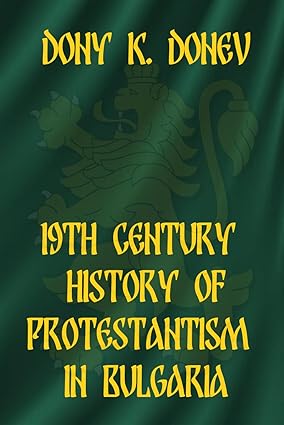
Dony K. Donev, D.Min., is a prominent researcher and author specializing in Bulgarian Protestant, Evangelical, and Pentecostal history, with over three decades of study. His work, including 19th Century History of Protestantism in Bulgaria and The Unforgotten: Historical and Theological Roots of Pentecostalism in Bulgaria, documents the development of these movements, their suppression under Communism, and the subsequent post-1989 revival.
Key aspects of Donev’s research on Bulgarian Protestant history include:
Origins (19th Century): Protestant work began in the 1800s, with denominations like Congregationalists (1856), Methodists (1857), and Baptists (1865) establishing missions, culminating in the first Bulgarian Protestant Church in 1871. Donev also highlights the 1871 publication of the Protestant Bulgarian Bible translation. His research, often in collaboration with the Institute of Bulgarian Protestant History, has focused on preserving, digitizing, and recovering documents, including church diaries, photographs, and, in some cases, saving records from destruction during the communist era.
Pentecostalism and Growth: The Unforgotten documents the arrival of the Pentecostal movement in Bulgaria, particularly through the influence of the Azusa Street Revival, tracing the roots of early Bulgarian Pentecostal families.
Post-Communist Revival: Donev has documented the rapid growth of the Protestant movement after 1989, noting a significant increase in membership from approximately 13,000 to over 100,000. Dr. Donev has published his dissertation on on Bulgarian Churches in North America.
Church of God Holds Two Parallel National Assemblies in Bulgaria
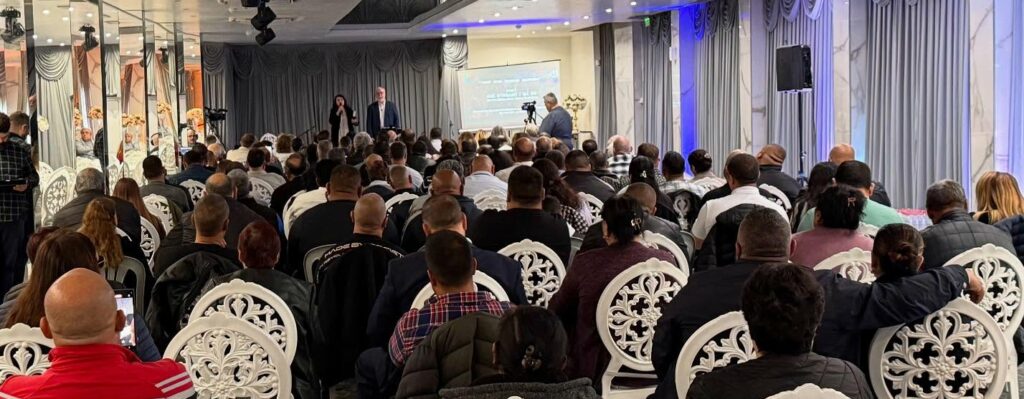
Above Dr. David Kemp speaking on National Assembly in Sliven, Bulgaria (March 29, 2025)
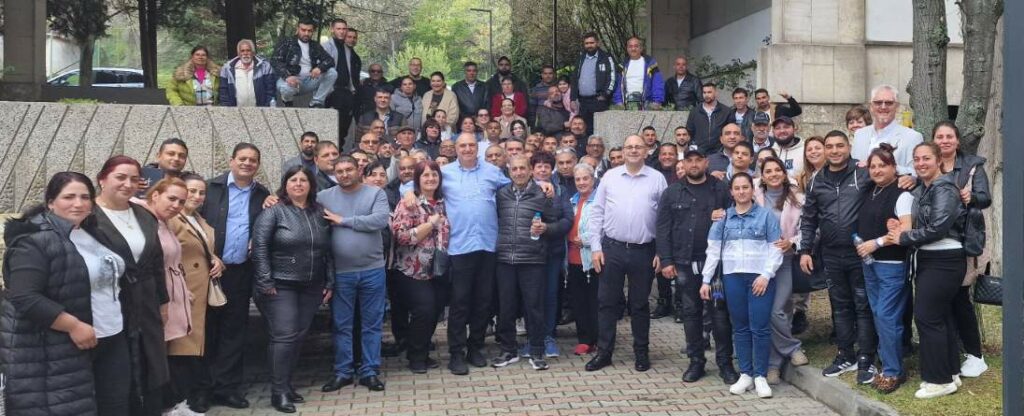
Below Dr. Tom Rosson speaking on National Assembly in Stara Zagora, Bulgaria (March 29, 2025)
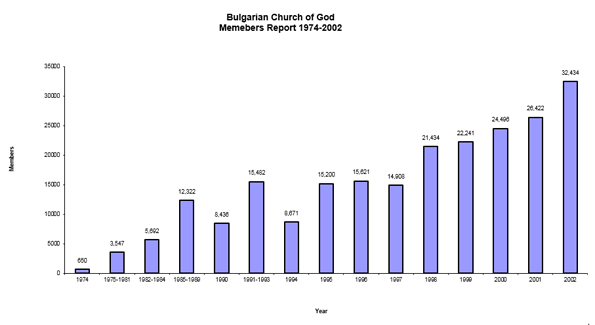
The Bulgarian Church of God has split in no less than 10 since the early 2000s as following:
- Bulgarian Church of God (27.12.1990)
- Church of God in Bulgaria (23.01.2006)
- God’s Church (13938/2006: 07.02.2007)
- Church of God-12 (Sofia, Rodostono)
- New Generation Church of God (05.04.2000)
- Bethesda Church of God (27.12.2010)
- BulLiv Church of God (15.01.2000)
- New Life Church of God (06.11.2000)
- Bulgarian Church of God – Sofia (4996/2003 Sredetz, E.Georgiev Bul. 2, apt. 4)
- Bridge Church of God (50/2013)
NEW Bulgarian National Elections Ineffective Once Again
October 1, 2022 by Cup&Cross
Filed under Featured, Missions, News, Publication
Elections in Bulgaria: Can a Government be Formed? Lowest Voter Activity in 32 years
With 99.98% processed protocols in the CEC, 7 parties enter the next parliament. Here are the data as of 12.00 p.m. on October 3:
- GERB-SDS – 634,525 votes – 25.33%
- “We Continue the Change” – 505,914 votes – 20.20%
- Movement for Rights and Freedoms (DPS) – 344,605 votes – 13.76%
- “Vazrazhdane” – 254,725 votes – 10.17%
- Bulgarian Socialist Party (BSP) – 232,932 votes – 9.30%
- “Democratic Bulgaria” (DB) – 186,474 votes – 7.44%
- “Bulgarian Rise” – 115,837 votes – 4.62%
7 political parties elected with the following allocation of seats in the 48th National Assembly:
- GERB: 67
- “We Continue the Change”: 53
- Movement for Rights and Freedoms (DPS): 36
- “Vazrazhdane” (Revival): 27
- Bulgarian Socialist Party (BSP): 25
- “Democratic Bulgaria” (DB): 20
- “Bulgarian Rise”: 12
“Vazrazhdane” doubled its votes compared to the November 14, 2021 election, while the former ruling party, “We Continue the Change”, lost a quarter of the support it received then.
With “There Is Such a People”, the drop is about 60 percent of the vote for the party in November. GERB, DPS and “Democratic Bulgaria” are growing, although not drastically, while BSP continues the trend of shrinking its support.
175,338 Bulgarian citizens voted abroad. “We Continue the Change” and “Democratic Bulgaria” lost their electoral positions among Bulgarians abroad at the expense of the pro-Russian formation “Vazrazhdane”, which added more than 10 thousand votes to its result from November.
Boyko Borissov’s GERB is the first political force. It is followed by Kiril Petkov’s “We Continue the Change” with a difference of about 6-7 percent. The third position is for the Movement for Rights and Freedoms (DPS). The Bulgarian Socialist Party (BSP) is fourth. After them is the right-wing, pro-Russian “Vazrazhdane” (Revival), whose leader Kostadin Kostadinov insisted that the party will be #1 in these elections. Sixth is “Democratic Bulgaria” (DB).
Bulgaria: GERB offers Negotiations to Everyone – Borissov doesn’t want to be PM or MP
“I neither want to be prime minister, nor deputy, nor minister”, GERB leader Boyko Borissov commented at a party briefing whether he is inclined not to be prime minister in the next cabinet. “The results of the elections are expected, but they give a clearer picture of the state of the party at the moment”, said Borisov.
Tomislav Donchev thanked all the people who supported GERB-SDS. “The moment suggests a search for unity, for agreement. Out of 31, GERB-SDS won in 24 regions, DPS in 5, ‘We Continue the Change’ – in 2. The map is blue, but that is not the most important thing”, commented Donchev.
The data by municipalities are also eloquent – in 265 Bulgarian municipalities, GERB wins in 174, he added. He reported that the party had returned their support of over 38,000 people, showing that they were following the right direction in an extremely aggressive environment.
Bulgaria: Explosions at “Arsenal” Weapons Factory in Kazanlak – Casualties reported
The Regional Office for Fire Safety and Population Protection reports on an incident at the “Arsenal” plant in Kazanlak, Bulgaria. The signal was received at 11:04 a.m.
Two fire trucks from Kazanlak were sent to the scene, including departmental fire brigades and ambulances. According to unofficial information, there are two casualties, and eyewitnesses report that there was an extremely loud explosion and a dark cloud over the area.
*Update: 3 deaths reported, 3 injured people are transported to the hospital in Kazanlak.
The Labor Inspectorate confirmed the information about the incident, they also reported on an injured woman who was transported to the hospital in Stara Zagora.
Third National Elections for 2021 in Bulgaria
November 10, 2021 by Cup&Cross
Filed under Featured, News, Publication
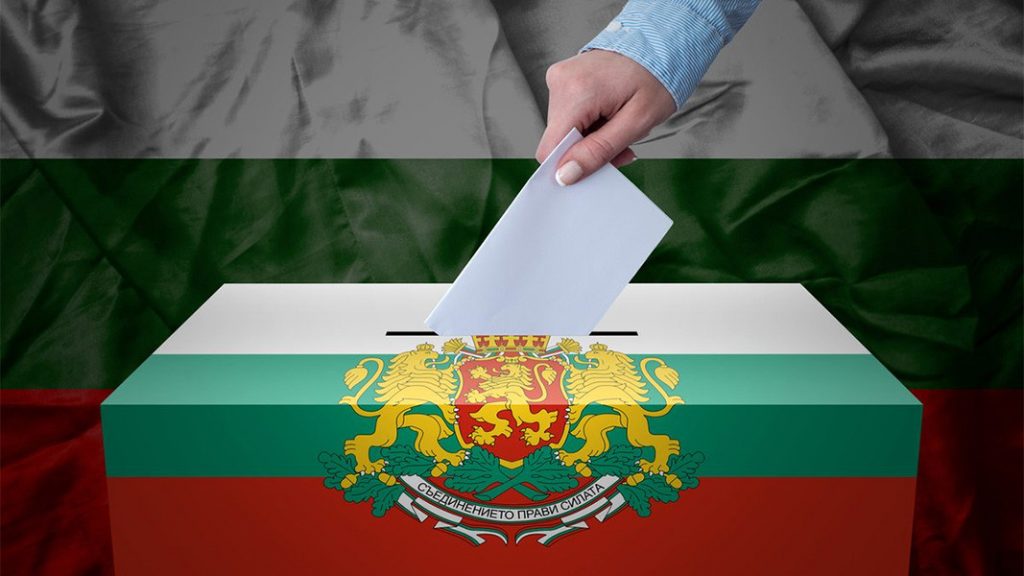
This weekend, Bulgaria is holding another, third national elections for 2021. This one has a double outcome – new parliament and a new president. After not being able to form a government in the first two elections for 2021, the country is heading to a major political storm within the growing pandemic. Apart from struggling economically with other EU countries, Bulgaria is currently leading with death cases due to COVID and the temporary acting government has been hopelessly drifting between strong restriction measures of virtually all business and gatherings or a complete lock-down for weeks at the time. None of these has brought any desired results.
On the contrary, virtually all evangelical churches are struggling to respond to the needs of their congregations pressed between the harsh restrictions and keeping the lights on as commercial electricity cost has increased over 33% this year alone. While the Eastern Orthodox church in Bulgaria is subsidized with some $10-25 million and the Muslim confession with $3 million, the evangelical churches are only hoping to get some grants after this year’s national census is counted. By accepting state subsidy, however, religious groups in Bulgaria are entering a season of dependence on secular government. For the evangelicals this means:
- Churches and ministers must declare all foreign currency money flow and foreign bank accounts
- Participation of foreign persons in the administration of any denomination is strictly forbidden
- Foreign parsons shall not be allowed to speak at religious meetings in any way shape or form especially religious sermons
- Anonymous donations and donorship to religious organization is not permitted
- Bulgarian flag shall be present in every temple of worship
- The new measure will block all foreign interference in the faith confessions and denominations in Bulgaria
As if all this is not enough, just a week before the elections it was revealed that the electronic vote this time will be done on voting machines purchased from nowhere else but Venezuela. Over 400 such machines have been brought into the country without registration “for spare parts,” which brings even more confusion and suspicion to the already fragile election process that has occurred in Bulgaria almost every year since 2005.
Government Elections in Bulgaria (2005-2022):
2005 Parliamentary Elections
2006 Presidential Elections
2007 Municipal Elections
2009 Parliamentary Elections
2009 European Parliament elections
2011 Presidential Elections
2011 Local Elections
2013 Early parliamentary elections
2014 Early Parliamentary Elections
2015 Municipal Elections
2016 Presidential election
2017 Parliamentary elections
2019 European Parliament election (23-26 May)
2019 Bulgarian local elections
2019 Municipal Elections
2021 March National Parliament election
2021 Second National Parliament election
2021 Third National Parliament and Presidential elections
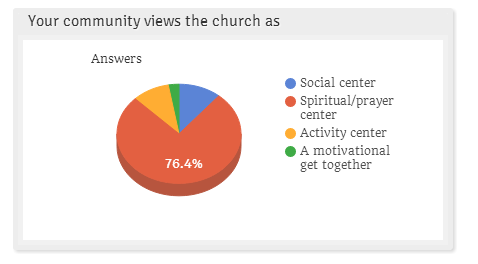
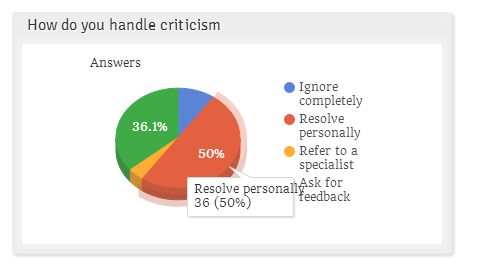
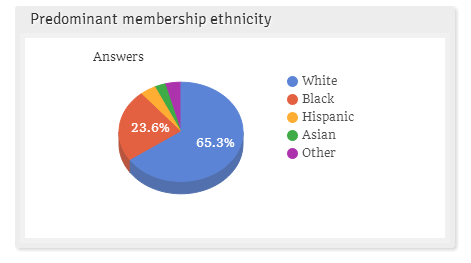
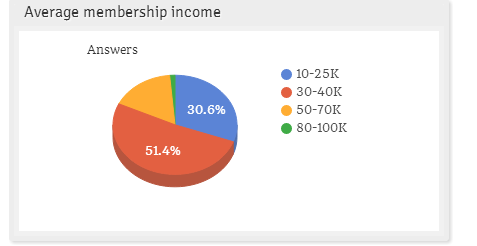
National Church Survey to Reveal State of the American Church in 2021
National church survey reveals important data about the state of the church in America today
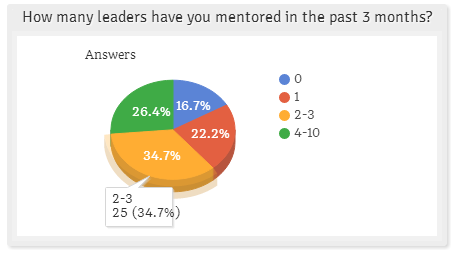
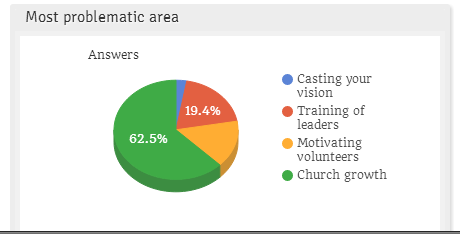
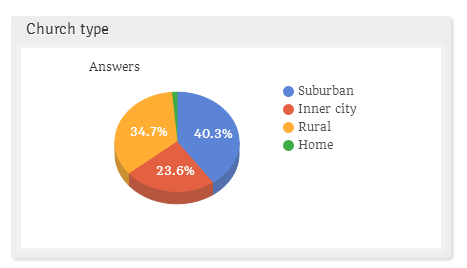
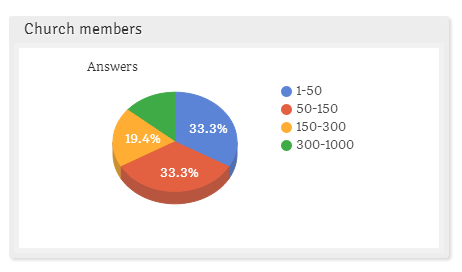
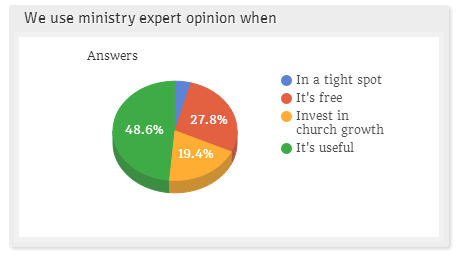
The survey has been conducted for the past several years in several hundred congregations from all denominations across the United States. All collected national trends provide information about essential ministry dynamics and characteristics of the local congregation like:
- Church Type & Membership
- Teams & Leaders
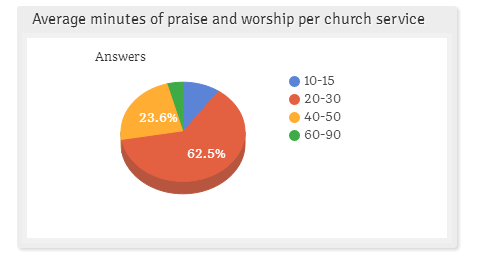
- Praise & Worship
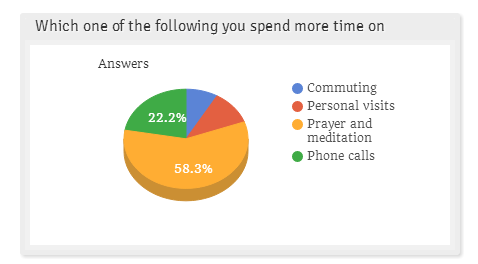
- Pastoral/Personal
- Mission & Vision
Subscribe to ChurchInfluence.com weekly newsletter to receive free each published report containing important information about current church trends in America today.
Sample reports from the national State of the Church survey include:
- 5 common church types across the nation
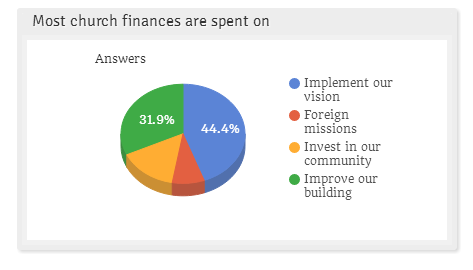
- 3 financial characteristics of the average church in America
- College education take over church leadership
- 4 leading types of pastor’s teams
- The growth of congregational ethnicity
- 6 dimensions of leadership training for small churches (80-120 members)
- Top 3 problems in church growth
- 8 Successful strategies to communicate with your church volunteer teams
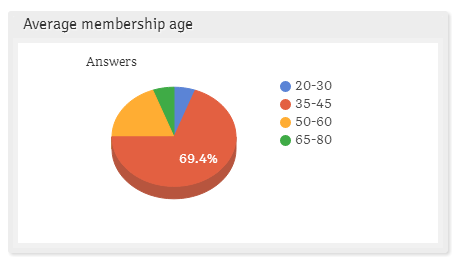
- 4 age groups within the make of church membership
- 7 factors that make your congregational ethnos
- 20th century paradigm for church training still used today
- How can you improve worship within a church service
- 5 ways to improve how the community views your church
- 3 successful ways how to really spend half of your time in prayer and meditation
Though, the majority of participants were among Western North American Pentecostal/Charismatic congregations, the National State of the Church Survey brings results of the state of the church much similar to the ones presented by the Pew Forum, Barna Research Group and Gallup. While the said researchers present a more holistic to the Christian body information, the National State of the Church Survey brings a special focus of statistical data on Pentecostal/Charismatic congregations, their structure, leadership and praxis.





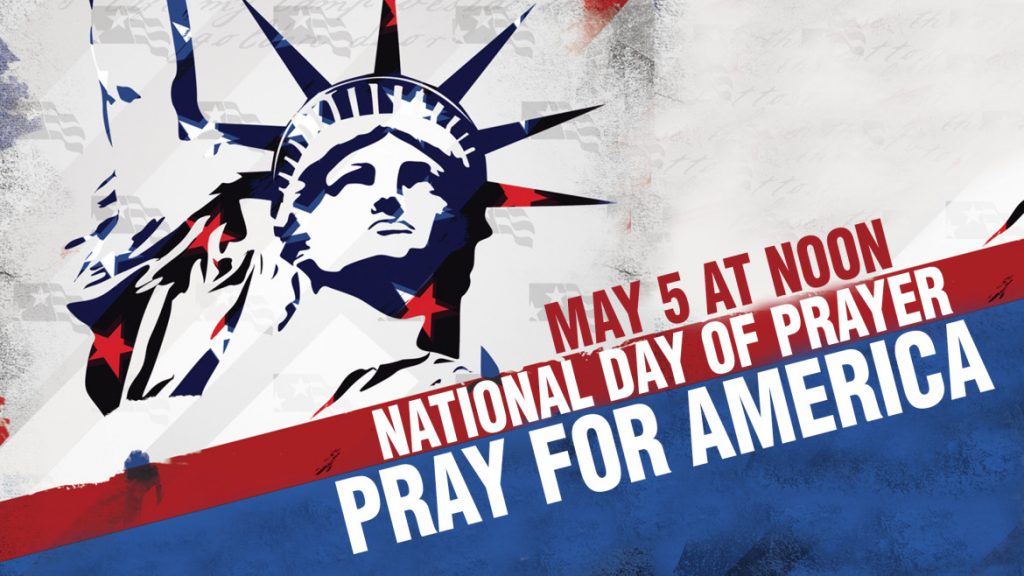
2016 National Day of Prayer
National Identity and Collective Consciousness of the Bulgarian Community
 In understanding the history of the advancements in psychotherapy in Bulgaria and the foundations of the country as a whole, we gain a glimpse into the national identity and collective consciousness of a community; one which was formed by a strong people; a people that strive for religious freedom and the quest for knowledge; one that overcame oppression, trial and, hardship.
For many Bulgarians, communism was not simply a set of ideological directives, but it permeated nearly all spheres of social life. Communism and the lasting effects on its population is not one that is comfortable to recollect. It is neither something that is easy to understand and we may never fully comprehend the post communist mentality. And perhaps we should question those who make such claim.
However, if left ignored, we ignore an undeniable part of history and identity. The danger in not recollecting is that we may in doing so, ignore the possibility for change. Recognition is the first step toward change and empathy. It is only via the shoes of empathy that we can walk in the paths of genuinely comprehending the post communistic mentality and another culture.
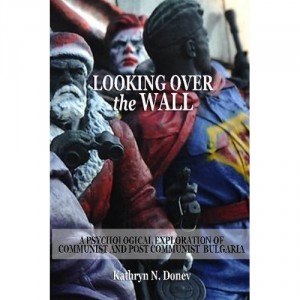
Excepts taken from “LOOKING OVER the WALL”
A Psychological Exploration of Communist and Post Communist Bulgaria
Copyright © April 12, 2012 by Kathryn N. Donev
© 2012, Spasen Publishers, a division of www.cupandcross.com
RELATED ARTICLES:
[ ] Obama, Marxism and Pentecostal Identity
[ ] A Psychological Exploration of Communist and Post Communist Bulgaria
[ ] Insight into Communist Agent Techniques in Bulgaria
[ ] The Bulgarian Evangelical Believer and Communistic Consequences
[ ] Distinct Historical Memories of the Bulgarian Mindset
[ ] National Identity and Collective Consciousness of the Bulgarian Community
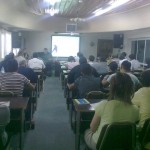
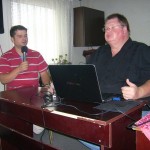
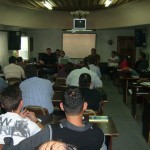
National Training for Ministers in Rouse
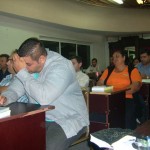
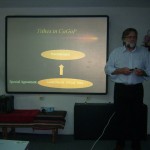
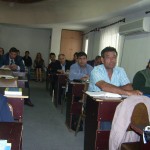
National Youth Camp in Bulgaria
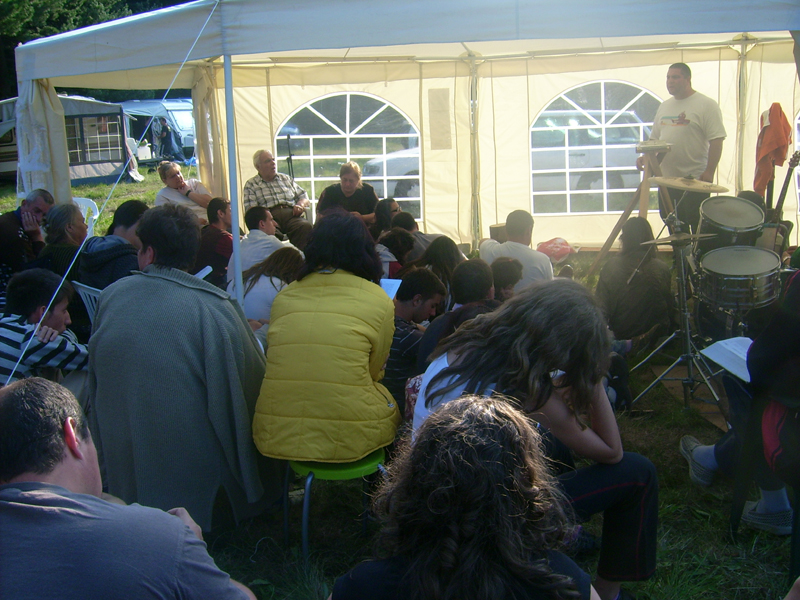 In years past, we have visited and ministered to a dozen different youth camps in Bulgaria. Each of them has been unique and special, but it has been a while since we have ministered at a youth camp where people have been so hungry to receive from God.
We were asked to visit the National Youth Camp at Petrohan and to lecture on our new translation of the Bulgarian New Testament. Pastor Vasil Petrov and his team from the Gabrovo Church of God accompanied us for the evening services. People from the churches in Sofia, Bankia, Aheloy, Bourgas, Varshetz, Gabrovo, Nova and Stara Zagora, Kazanlak, Sliven, Yambol and many other places joined with tents and campers for the occasion. Visiting missionaries from the Untied States and Switzerland were also present.
As our publisher provided us with several hundred copies of the translation, we were able to give each of the attendees a copy to read and to study. This helped us tremendously in the presentation of somewhat difficult material from the translator’s notes. The lectures were followed by the evening services with an inspiring message from pastor Vasil Petrov. Each night, prayer and worship at the alter continued well after midnight. We prayed for the healing of dozens of people. Many more were delivered instantly from various infirmities, both in soul and in body. Eight young people received the baptism with the Holy Spirit the very first night and many more were baptized in the following evenings. You could see parents and children praying for each other around the clock. One girl saw a vision of the “Heart of God” being exalted in our midst. As we continued with our next ministry appointment in the city of Varshetz, some stayed behind to spend one more day in the presence of the Lord on the top of the mountain. We will reconvene with them this week at the next youth camp organized by the Assemblies of God on the Karandila Mountain near Sliven.
Published in the Bulgarian National Geographic

The March issue of the Bulgarian National Geographic featured an article about the Bulgarian Bogomils – a medieval Bulgarian sect that split from the Orthodox Church forming its own religious community with peculiar customs. The author of the article, the renowned Bulgarian journalist Lubormir Kiumurdjiev, interviewed a number of Bulgarian theologians in an effort to investigate the Christian roots of the Bogomil’s theology. The view of the Bulgarian protestant community was represented in the article by Dr. Dony K. Donev, who elaborates on two main points in the faith of the Bogomils namely, their purposeful simplification of liturgy, as a sign of proto-reformation theology within the context of the Eastern Orthodox Church and their continuous efforts toward a new literal Bible translation in the spoken Bulgarian vernacular of their times.
The National Geographic’s publication comes as a high recognition of long years of hard labor in the publication of three biweekly series. Two of them are still ongoing with the Bulgarian Evangelical Newspaper as one tells the story of Bulgarian Protestantism, and the other focuses on chronological paleographical examination of Biblical manuscripts, in comparison of versions and revisions of the Bulgarian Bible. The third one is published in the Pentecostal Evangel and is almost finished with the examination of early Bulgarian Pentecostal history, while many of its findings will be presented at the 2010 SPS meeting.


