

2026 Bulgarian presidential election
Ten parties and 27 initiative committees submitted documents to participate in the elections for President and Vice President of the Republic on October 25, 2026. One party was denied registration, while another withdrew its registration. Three initiative committees were also denied registration. Consequently, a total of 32 participants remained registered: 8 parties and 25 initiative committees.[5] Of these, one party and three initiative committees did not nominate candidate pairs and one initiative committee was canceled by CEC; ultimately, 27 candidate pairs remained registered and participated in the draw to determine their ballot numbers on the unified ballot. A complete list of independent candidates and parties registered to contest in the election is presented below:[6]
References
- Borisov, Viktor. Президентските избори ще се проведат на 25 октомври // bntnews.bg, 29 July 2026. Retrieved on 29 July 2026.
- “Bulgaria”. IFES Election Guide.
- “Bulgaria’s 2016 presidential elections: Voters to have ‘I don’t support anyone’ option”. Sofia Globe. 9 October 2016.
- “Constitution”. Parliament of Bulgaria.
- “ЦИК: 27 инициативни комитета и 8 партии подадоха документи за президентския вот” (in Bulgarian).
- “ДПС не номинира кандидат за президент” (in Bulgarian).
- “Андрей Гюров обявява кандидатурата си за президент”. Eurocom (in Bulgarian).
- “Лидерите на ПП и ДБ подкрепиха Гюров, партиите се събират за официално “Да”“ (in Bulgarian).
- “Йотова е със „замразено” членство в БСП” (in Bulgarian).
- “Заедно с коалиционните ни партньори решихме да подкрепим кандидатурата на Илияна Йотова, каза Румен Радев”. www.bta.bg (in Bulgarian). Retrieved 28 July 2026.
- ““BSP will support the candidacy of Iliana Iotova for President”“. trud.
- “ISBG will support the candidacy of Iliana Iotova for President”. euronews bulgaria (in Bulgarian).
- “ВМРО подкрепя Илияна Йотова за президент” (in Bulgarian).
- ““If I wanted to become president I would have”: Borisov announced he won’t run for president”“. dnevnik (in Bulgarian).
- ““Plevneliev: The decisions in GERB are taken at the last minute by Borisov personally”“. mediapool.bg (in Bulgarian).
- “Петър Стоянов: Мина ми времето за президент, не ми се влиза в това кално блато – Новини от Dnes.bg”. Dnes.bg (in Bulgarian).
- “Resolution 159-ПВР”. Central Electoral Commission (in Bulgarian). 9 September 2026. Retrieved 14 September 2026.
- “Resolution 175-ПВР”. Central Electoral Commission (in Bulgarian). 10 September 2026. Retrieved 14 September 2026.
- “Resolution 213-ПВР”. Central Electoral Commission (in Bulgarian). 14 September 2026. Retrieved 14 September 2026.
- “Resolution 214-ПВР”. Central Electoral Commission (in Bulgarian). 14 September 2026. Retrieved 14 September 2026.
- “Resolution 215-ПВР”. Central Electoral Commission (in Bulgarian). 14 September 2026. Retrieved 14 September 2026.
- “Resolution 267-ПВР”. Central Electoral Commission (in Bulgarian). 23 September 2026. Retrieved 23 September 2026.
- “Resolution 131-ПВР”. Central Electoral Commission (in Bulgarian). 4 September 2026. Retrieved 4 September 2026.
- “Resolution 209-ПВР”. Central Electoral Commission (in Bulgarian). 14 September 2026. Retrieved 14 September 2026.
- “Resolution 211-ПВР”. Central Electoral Commission (in Bulgarian). 14 September 2026. Retrieved 14 September 2026.
- “Resolution 212-ПВР”. Central Electoral Commission (in Bulgarian). 14 September 2026. Retrieved 14 September 2026.
AI Built on the College Library as Initial Knowledge Base
- NOT just library discovery resources and college curriculum papers BUT repository for all institutional materials
- Faculty-approved course materials for enrolled users
- Writing center, tutoring, accessibility, and student-support
- Local and regional archival collections
- Permission-aware access allows only authorized materials
- Data-retention controls make conversation storage, deletion, and institutional access transparent
- Bias and quality testing is applied across disciplines, populations and use cases
The Past Two Decades of Chaplaincy in Bulgaria (2006-2026)
 February 16, 2006: Web presence and web identity created
February 21, 2006: Shall military chaplaincy be restored in the Bulgarian Army (publication in MediaPool – Bulgaria)
2006: Participant in the establishment of the Bulgarian Chaplaincy Association
August 19, 2006: Published Resolution No. 1 of the Bulgarian Chaplaincy Association
October 17, 2006: Conducted basic chaplaincy course for the Bulgarian Evangelical Theological Institute
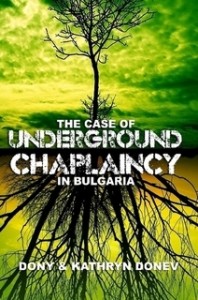
December 2006: “The case of Underground Chaplaincy in Bulgaria,” research of the chaplaincy initiative in Bulgaria presented to the NATO’s Manfred Warner Foundation
March 2, 2007: Bulgarian Chaplaincy Association obtained legal status in Bulgaria and Europe
September 14, 2007: The US State Department of State reflected the Bulgarian Chaplaincy Association
July 13, 2008 Obtained accreditation for a Masters Degree in Chaplaincy Ministry
July 2009: Approved the “Master’s Program in Pastoral Care and Chaplaincy” with the Bulgarian Evangelical Theological Institute
June 2010: Lecture on “Military Chaplaincy” at First Evangelical Congregational Church in Sofia, Bulgaria
July 2010: Published “The beginnings of master’s chaplaincy training program” in the ARMY Bulgarian newspapers
August 2010: Cumulative update on Chaplaincy in Bulgaria
November 22, 2010: Held “Master’s Program in chaplaincy ministry” at the United Theological Faculty of the Bulgarian Evangelical Theological Institute
September 7, 2011: Published a LEGAL FRAMEWORK of CHAPLAINCY in BULGARIA
2012: Sponsored a new master’s program with focus on Social Services and Chaplaincy Ministry at St. Trivelius, alongside New Bulgarian University
More on the topic:
- Protestant Chaplaincy in Bulgaria
- Priests in the Bulgarian Army
- The printing of the camouflage New Testament in Bulgarian
- Visit of chief chaplain col. John Stefro
- Major General Bob Deese in Bulgaria
- Polish chief chaplain Mirono in Varna
Dedicated AI Integrity Office
Structure will similar to academic integrity/student conduct, Title or Title VI compliance.
However, AI Integrity Office the office must be more than a disciplinary unit
WITH a central purpose NOT only to provide rules, support and institutional accountability BUT to foster an academic culture of responsible AI use
- The Academic integrity will define unauthorized AI use, disclosure standards and due process
- Teaching support will help faculty create AI-aware assignments
- AI literacy will teach students to use and critically verify all disclosed AI assistance
- 4. Incident response will handle harmful output and model failure
REVIVAL HARVEST CAMPAIGN 2026
As in the past 30 years, and even during the global Pandemic of 2020, our annual Revival Harvest Campaign has begun. This is the 27th consecutive year, we have offered Revelation Revealed, since we first included it in our Revival Harvest Campaign at the Central Church of God in S.C. back in the spring of 1999. Last year, we extended our Campaign several times alongside our Homeschooling ministry events for children, and seems like this year we will have to do the same. In the churches where we will minister throughout the next several months, we will offer Revelation Revealed in the following schedule:
- Sunday: 20 Signs of the Last Days
- Monday: Spiritual Problems and Solutions from the 7 Churches
- Tuesday: Rapture of the Church
- Wednesday: A Place Called Heaven
Feel free to contact us if you too have been praying with your church for revival! It is not strange that with all the cultural diversity around us, many churches and pastors have been peer pressured to simply stop seeking after a fresh move of the Spirit. But from our Pentecostal eschatological viewpoint, one Last Global Revival still precedes God’s final and eternal involvement in the history of this world as we know it. And I don’t know about anyone else, but we pray, fast and strive to be part of what God is doing in these last minutes of the Last Days.
Bibliata.com Celebrates 30 years in Ministry
Bibliata.com CELEBRATES 30 YEARS OF MINISTRY
The history of our oldest website, known as the Bibliata.com project, began in 1996, when we received a vision to build the first Bulgarian Bible on the Internet. The website officially marks three decades of uninterrupted online presence and spiritual enlightenment for Bulgarians at home and abroad. Today, in addition to the digital text of Holy Scripture, the site maintains sections on Protestant history, Biblical leadership, pastoral fellowship, prayer requests, as well as a special interactive portal featuring Bible stories for children.
This long ongoing project was developed under the leadership of Cup & Cross Ministries and over the years has grown from a digital library into a large-scale Christian web community. More than 300 documented Biblical projects have been completed and released. Some of the most significant include:
- A new literal translation of the New Testament, which our ministry produced in 2017
- An interlinear New Testament with translation and textual apparatus published (2007-17)
- Two complete published revisions of the Bulgarian Protestant Bible (2012 and 2022)
- More than 30 active popular Christian websites in Bulgarian in a web ministry network
- More than 50 free biblical software products in Bulgarian, also available for mobile devices
- To date, the only Christian video-sharing website in Bulgarian – Bibliata.TV, with over 90,000 sermons, teachings and worship, now also featuring live television broadcasts
Chronology and Key Milestones in Bibliata.com’s 30-year history include:
1996-99 – Digitalization and uploading of the Bulgarian Biblical text to the Internet is completed for Bulgarian-speaking believers around the world.
1998 – Published the first “Computer Bible” (version 0.2) followed by “Bulgarian Bible 2000” 2001 – The first online Bulgarian Bible concordance (version 5.0).
2002 – Online “Bulgarian Bible Dictionary” and the first Audio Bible (version 6.5).
2003 – First WAP Bible for mobile phones and multimedia expansion with Bibliata.TV launched.
2005 – Versions for Linux, Windows CE, and Palm OS; SMS Bible; children’s PDF Bible
2006–07 – Radio.Bibliata.com, Bible tours in Bulgaria and the United States, first Video (DVD) 2009 – Online worship services: The platform became established as a central portal for daily live worship services from churches in Sofia, Chicago, Atlanta, Haskovo, and other cities.
2010–2013 – Applications for Android, iOS, and Kindle; the New Testament translations; 2015–2019 – Bibliata.TV 2.0, mobile version Bibliata.mobi, Greek-Bulgarian interlinear
2020–2021 – New applications (Bibliata.com, Bibliata.NEWS) and a national celebration of the 150 anniversary of the Bible in Bulgarian
2022–2023 – Children’s Bible 10.0, new Bible dictionaries, Audio Bible 5.0 (new recording)
2024–2025 – Multilingual New Testaments (Bulgarian-English, Italian, Spanish, German, French) 2026 – Officially announced anniversary celebration: “Bibliata.com CELEBRATES 30 YEARS OF MINISTRY,” with new projects and special materials on the blog and Bibliata.TV
The CHURCH has LEFT the building AGAIN…
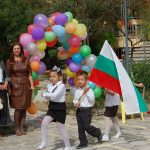
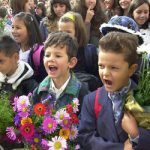
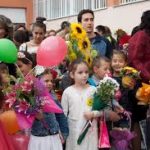
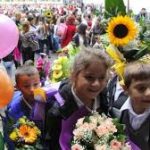
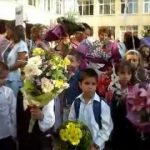
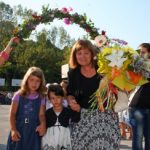
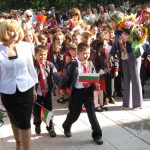
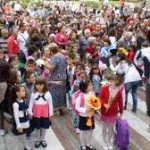
First Day of School in Bulgaria




Never Forget 25 Years Later

Thomas Aquinas: Works and Common Latin Abbreviations by Dr. Dony K. Donev
Thomas Aquinas: Works and Common Latin Abbreviations
Consolidated reference table with Latin titles, supplied Greek title translations, and English translations. Latin abbreviations follow common modern Thomistic citation practice; variants occur by edition and publisher. Greek titles are translations/short titles, not a universal Greek abbreviation system.
Scope: principal authentic works plus selected doubtful/probably authentic works included in the prior table. “Doubtful” reflects the status used in this working reference; consult the Corpus Thomisticum and the citation guide required by your publisher for definitive editorial decisions.
Major works
| Abbreviation | Latin title | Greek translation | English translation | Status |
| Super Sent. | Scriptum super libros Sententiarum | Σχόλιον εἰς τὰ βιβλία τῶν Ἀποφάσεων | Commentary on the Books of Sentences | — |
| ST | Summa theologiae | Σύνοψη τῆς θεολογίας | Summa of Theology | — |
| ST Suppl. | Supplementum tertiae partis | Συμπλήρωμα τοῦ τρίτου μέρους | Supplement to the Third Part | — |
| ScG | Summa contra Gentiles | Σύνοψη κατὰ τῶν ἐθνῶν | Summa Against the Gentiles | — |
| Comp. theol. | Compendium theologiae | Ἐπιτομὴ τῆς θεολογίας | Compendium of Theology | — |
| Lectura Romana | Lectura Romana in primum Sententiarum Petri Lombardi | Ῥωμαϊκὴ διάλεξις εἰς τὸ πρῶτον βιβλίον τῶν Ἀποφάσεων τοῦ Πέτρου Λομβάρδου | Roman Lectures on Peter Lombard’s First Book of Sentences | Doubtful |
Disputed questions
| Abbreviation | Latin title | Greek translation | English translation | Status |
| De verit. | Quaestiones disputatae De veritate | Διαλεχθεῖσαι ζητήσεις περὶ ἀληθείας | Disputed Questions on Truth | — |
| De pot. | Quaestiones disputatae De potentia | Διαλεχθεῖσαι ζητήσεις περὶ δυνάμεως | Disputed Questions on Power | — |
| Q. de anima | Quaestiones disputatae De anima | Διαλεχθεῖσαι ζητήσεις περὶ ψυχῆς | Disputed Questions on the Soul | — |
| De spir. creat. | Quaestio disputata De spiritualibus creaturis | Διαλεχθεῖσα ζήτησις περὶ πνευματικῶν κτισμάτων | Disputed Question on Spiritual Creatures | — |
| De unione Verbi | Quaestio disputata De unione Verbi incarnati | Διαλεχθεῖσα ζήτησις περὶ τῆς ἑνώσεως τοῦ σαρκωθέντος Λόγου | Disputed Question on the Union of the Incarnate Word | — |
| De malo | Quaestiones disputatae De malo | Διαλεχθεῖσαι ζητήσεις περὶ κακοῦ | Disputed Questions on Evil | — |
| De virtut. | Quaestiones disputatae De virtutibus | Διαλεχθεῖσαι ζητήσεις περὶ ἀρετῶν | Disputed Questions on the Virtues | — |
| De virtut. in comm. | Quaestio disputata De virtute in communi | Διαλεχθεῖσα ζήτησις περὶ ἀρετῆς καθόλου | Disputed Question on Virtue in General | — |
| De carit. | Quaestio disputata De caritate | Διαλεχθεῖσα ζήτησις περὶ ἀγάπης | Disputed Question on Charity | — |
| De correc. frater. | Quaestio disputata De correctione fraterna | Διαλεχθεῖσα ζήτησις περὶ ἀδελφικῆς διορθώσεως | Disputed Question on Fraternal Correction | — |
| De spe | Quaestio disputata De spe | Διαλεχθεῖσα ζήτησις περὶ ἐλπίδος | Disputed Question on Hope | — |
| De virtut. card. | Quaestio disputata De virtutibus cardinalibus | Διαλεχθεῖσα ζήτησις περὶ τῶν κυρίων ἀρετῶν | Disputed Question on the Cardinal Virtues | — |
| Quodl. | Quaestiones de quolibet | Ζητήσεις περὶ παντὸς θέματος | Quodlibetal Questions | — |
| De libro vitae | Quaestio De libro vitae | Ζήτησις περὶ τοῦ βιβλίου τῆς ζωῆς | Question on the Book of Life | Doubtful |
Philosophical works
| Abbreviation | Latin title | Greek translation | English translation | Status |
| De ente | De ente et essentia | Περὶ τοῦ ὄντος καὶ τῆς οὐσίας | On Being and Essence | — |
| De princ. nat. | De principiis naturae | Περὶ τῶν ἀρχῶν τῆς φύσεως | On the Principles of Nature | — |
| De unit. intell. | De unitate intellectus contra Averroistas | Περὶ τῆς ἑνότητος τοῦ νοῦ κατὰ τῶν Ἀβερροϊστῶν | On the Unity of the Intellect, Against the Averroists | — |
| De aetern. mundi | De aeternitate mundi contra murmurantes | Περὶ τῆς ἀϊδιότητος τοῦ κόσμου κατὰ τῶν γογγυζόντων | On the Eternity of the World, Against the Grumblers | — |
| De subst. sep. | De substantiis separatis | Περὶ τῶν χωριστῶν οὐσιῶν | On Separate Substances | — |
| De mixt. elem. | De mixtione elementorum | Περὶ τῆς μίξεως τῶν στοιχείων | On the Mixture of the Elements | — |
| De motu cord. | De motu cordis | Περὶ τῆς κινήσεως τῆς καρδίας | On the Motion of the Heart | — |
| De op. occ. | De operationibus occultis naturae | Περὶ τῶν κρυφίων ἐνεργειῶν τῆς φύσεως | On the Hidden Operations of Nature | — |
| De iud. ast. | De iudiciis astrorum | Περὶ τῶν κρίσεων τῶν ἄστρων | On Astrological Judgments | — |
| De sort. | De sortibus | Περὶ κλήρων | On the Casting of Lots | — |
| De fallaciis | De fallaciis | Περὶ τῶν σοφισμάτων | On Fallacies | Doubtful |
| De prop. modal. | De propositionibus modalibus | Περὶ τροπικῶν προτάσεων | On Modal Propositions | Doubtful |
| De cogn. animae | De cognitione animae | Περὶ τῆς γνώσεως τῆς ψυχῆς | On the Knowledge of the Soul | Doubtful |
| De immort. animae | De immortalitate animae | Περὶ τῆς ἀθανασίας τῆς ψυχῆς | On the Immortality of the Soul | Doubtful |
Theology, church, and polemics
| Abbreviation | Latin title | Greek translation | English translation | Status |
| De art. fid. | De articulis fidei et Ecclesiae sacramentis | Περὶ τῶν ἄρθρων τῆς πίστεως καὶ τῶν μυστηρίων τῆς Ἐκκλησίας | On the Articles of Faith and the Sacraments of the Church | — |
| De rat. fid. | De rationibus fidei ad cantorem Antiochenum | Περὶ τῶν λόγων τῆς πίστεως πρὸς τὸν ψάλτην τῆς Ἀντιοχείας | On the Reasons for the Faith, to the Cantor of Antioch | — |
| De perf. | De perfectione spiritualis vitae | Περὶ τῆς τελειότητος τοῦ πνευματικοῦ βίου | On the Perfection of the Spiritual Life | — |
| Cont. impug. | Contra impugnantes Dei cultum et religionem | Κατὰ τῶν πολεμούντων τὴν λατρείαν τοῦ Θεοῦ καὶ τὸν θρησκευτικὸ βίο | Against Those Who Attack the Worship of God and Religious Life | — |
| Cont. retrah. | Contra doctrinam retrahentium a religione | Κατὰ τῆς διδασκαλίας τῶν ἀποσπώντων ἀπὸ τοῦ θρησκευτικοῦ βίου | Against the Teaching of Those Who Draw People Away from Religious Life | — |
| Cont. err. Graec. | Contra errores Graecorum | Κατὰ τῶν πλανῶν τῶν Ἑλλήνων | Against the Errors of the Greeks | — |
| De forma abs. | De forma absolutionis | Περὶ τοῦ τύπου τῆς ἀφέσεως | On the Form of Absolution | — |
| De regno | De regno ad regem Cypri | Περὶ βασιλείας πρὸς τὸν βασιλέα τῆς Κύπρου | On Kingship, to the King of Cyprus | — |
| De empt. | De emptione et venditione ad tempus | Περὶ ἀγορασίας καὶ πωλήσεως ἐπὶ χρόνῳ | On Buying and Selling on Credit | — |
| Ad Bernard. | Epistola ad Bernardum | Ἐπιστολὴ πρὸς Βερνάρδον | Letter to Bernard | — |
| Ad duc. Brab. | Epistola ad ducissam Brabantiae | Ἐπιστολὴ πρὸς τὴν δούκισσαν τῆς Βραβάντης | Letter to the Duchess of Brabant | — |
| De 6 art. | Responsiones ad magistrum Ioannem de Vercellis de VI articulis | Ἀποκρίσεις πρὸς τὸν διδάσκαλον Ἰωάννην τὸν ἐκ Βερκελλῶν περὶ ἓξ ἄρθρων | Replies to Master John of Vercelli on Six Articles | — |
| De 30 art. | Responsiones ad magistrum Ioannem de Vercellis de XXX articulis | Ἀποκρίσεις πρὸς τὸν διδάσκαλον Ἰωάννην τὸν ἐκ Βερκελλῶν περὶ τριάκοντα ἄρθρων | Replies to Master John of Vercelli on Thirty Articles | — |
| De 36 art. | Responsiones ad lectorem Venetum de XXXVI articulis | Ἀποκρίσεις πρὸς τὸν Βενετὸν ἀναγνώστην περὶ τριάκοντα ἓξ ἄρθρων | Replies to the Venetian Reader on Thirty-Six Articles | — |
| De 43 art. | Responsiones ad magistrum Ioannem de Vercellis de XLIII articulis | Ἀποκρίσεις πρὸς τὸν διδάσκαλον Ἰωάννην τὸν ἐκ Βερκελλῶν περὶ τεσσαράκοντα τριῶν ἄρθρων | Replies to Master John of Vercelli on Forty-Three Articles | — |
| De 108 art. | Responsiones ad magistrum Ioannem de Vercellis de CVIII articulis | Ἀποκρίσεις πρὸς τὸν διδάσκαλον Ἰωάννην τὸν ἐκ Βερκελλῶν περὶ ἑκατὸν ὀκτὼ ἄρθρων | Replies to Master John of Vercelli on 108 Articles | — |
Philosophical commentaries
| Abbreviation | Latin title | Greek translation | English translation | Status |
| Super Peri herm. | Expositio libri Peryermeneias | Ἑρμηνεία τοῦ βιβλίου Περὶ ἑρμηνείας | Commentary on Aristotle’s On Interpretation | — |
| Super Post. An. | Expositio libri Posteriorum Analyticorum | Ἑρμηνεία τῶν Ὑστέρων Ἀναλυτικῶν | Commentary on Aristotle’s Posterior Analytics | — |
| Super Phys. | In libros Physicorum | Σχόλιον εἰς τὰ Φυσικά | Commentary on Aristotle’s Physics | — |
| Super De caelo | In libros De caelo et mundo | Σχόλιον εἰς τὸ Περὶ οὐρανοῦ καὶ κόσμου | Commentary on Aristotle’s On the Heavens and the World | — |
| Super De gen. | In libros De generatione et corruptione | Σχόλιον εἰς τὸ Περὶ γενέσεως καὶ φθορᾶς | Commentary on Aristotle’s On Generation and Corruption | — |
| Super Meteora | Sentencia super Meteora | Σχόλιον εἰς τὰ Μετεωρολογικά | Commentary on Aristotle’s Meteorology | — |
| Super De anima | Sentencia libri De anima | Σχόλιον εἰς τὸ Περὶ ψυχῆς | Commentary on Aristotle’s On the Soul | — |
| Super De sensu | Sentencia libri De sensu et sensato | Σχόλιον εἰς τὸ Περὶ αἰσθήσεως καὶ αἰσθητῶν | Commentary on Aristotle’s On Sense and the Sensible | — |
| Super De mem. | Sentencia libri De memoria et reminiscentia | Σχόλιον εἰς τὸ Περὶ μνήμης καὶ ἀναμνήσεως | Commentary on Aristotle’s On Memory and Recollection | — |
| Super Ethic. | Sententia libri Ethicorum | Σχόλιον εἰς τὰ Ἠθικὰ Νικομάχεια | Commentary on Aristotle’s Nicomachean Ethics | — |
| Tab. Ethic. | Tabula Ethicorum | Πίναξ τῶν Ἠθικῶν | Table/Index of the Ethics | — |
| Super Pol. | Sententia libri Politicorum | Σχόλιον εἰς τὰ Πολιτικά | Commentary on Aristotle’s Politics | — |
| Super Metaph. | Sententia libri Metaphysicae | Σχόλιον εἰς τὰ Μετὰ τὰ φυσικά | Commentary on Aristotle’s Metaphysics | — |
| Super De causis | Super librum De causis expositio | Ἑρμηνεία εἰς τὸ Βιβλίον περὶ αἰτιῶν | Commentary on the Book of Causes | — |
| Super De div. nom. | In librum B. Dionysii De divinis nominibus expositio | Ἑρμηνεία εἰς τὸ βιβλίον τοῦ ἁγίου Διονυσίου Περὶ θείων ὀνομάτων | Commentary on Pseudo-Dionysius’s Divine Names | — |
| Super De hebd. | Expositio libri Boetii De ebdomadibus | Ἑρμηνεία τοῦ βιβλίου τοῦ Βοηθίου Περὶ Ἑβδομάδων | Commentary on Boethius’s On the Hebdomads | — |
| Super De Trin. | Super Boetium De Trinitate | Σχόλιον εἰς τὸ Περὶ Τριάδος τοῦ Βοηθίου | Commentary on Boethius’s On the Trinity | — |
Biblical commentaries
| Abbreviation | Latin title | Greek translation | English translation | Status |
| Super Ps. | Super Psalmos | Σχόλιον εἰς τοὺς Ψαλμούς | Commentary on the Psalms | — |
| Super Iob | Expositio super Iob ad litteram | Κατὰ γράμμα ἑρμηνεία εἰς τὸν Ἰώβ | Literal Commentary on Job | — |
| Super Is. | Super Isaiam | Σχόλιον εἰς τὸν Ἠσαΐαν | Commentary on Isaiah | — |
| Super Ier. | In Ieremiam | Σχόλιον εἰς τὸν Ἱερεμίαν | Commentary on Jeremiah | — |
| Super Thren. | Super Threnos Ieremiae | Σχόλιον εἰς τοὺς Θρήνους τοῦ Ἱερεμίου | Commentary on Lamentations | Doubtful |
| Super Matt. | Super Matthaeum | Σχόλιον εἰς τὸν Ματθαῖον | Commentary on Matthew | — |
| Super Ioan. | Super Ioannem | Σχόλιον εἰς τὸν Ἰωάννην | Commentary on John | — |
| Cat. Matt. | Catena aurea in Matthaeum | Χρυσῆ ἅλυσις εἰς τὸν Ματθαῖον | Golden Chain on Matthew | — |
| Cat. Marc. | Catena aurea in Marcum | Χρυσῆ ἅλυσις εἰς τὸν Μάρκον | Golden Chain on Mark | — |
| Cat. Luc. | Catena aurea in Lucam | Χρυσῆ ἅλυσις εἰς τὸν Λουκᾶν | Golden Chain on Luke | — |
| Cat. Ioan. | Catena aurea in Ioannem | Χρυσῆ ἅλυσις εἰς τὸν Ἰωάννην | Golden Chain on John | — |
| Super Rom. | Super Romanos | Σχόλιον εἰς τὴν Πρὸς Ῥωμαίους | Commentary on Romans | — |
| Super I Cor. | Super I ad Corinthios | Σχόλιον εἰς τὴν Αʹ Πρὸς Κορινθίους | Commentary on First Corinthians | — |
| Super II Cor. | Super II ad Corinthios | Σχόλιον εἰς τὴν Βʹ Πρὸς Κορινθίους | Commentary on Second Corinthians | — |
| Super Gal. | Super Galatas | Σχόλιον εἰς τὴν Πρὸς Γαλάτας | Commentary on Galatians | — |
| Super Eph. | Super Ephesios | Σχόλιον εἰς τὴν Πρὸς Ἐφεσίους | Commentary on Ephesians | — |
| Super Phil. | Super Philippenses | Σχόλιον εἰς τὴν Πρὸς Φιλιππησίους | Commentary on Philippians | — |
| Super Col. | Super Colossenses | Σχόλιον εἰς τὴν Πρὸς Κολοσσαεῖς | Commentary on Colossians | — |
| Super I Thess. | Super I Thessalonicenses | Σχόλιον εἰς τὴν Αʹ Πρὸς Θεσσαλονικεῖς | Commentary on First Thessalonians | — |
| Super II Thess. | Super II Thessalonicenses | Σχόλιον εἰς τὴν Βʹ Πρὸς Θεσσαλονικεῖς | Commentary on Second Thessalonians | — |
| Super I Tim. | Super I Timotheum | Σχόλιον εἰς τὴν Αʹ Πρὸς Τιμόθεον | Commentary on First Timothy | — |
| Super II Tim. | Super II Timotheum | Σχόλιον εἰς τὴν Βʹ Πρὸς Τιμόθεον | Commentary on Second Timothy | — |
| Super Tit. | Super Titum | Σχόλιον εἰς τὴν Πρὸς Τίτον | Commentary on Titus | — |
| Super Philem. | Super Philemonem | Σχόλιον εἰς τὴν Πρὸς Φιλήμονα | Commentary on Philemon | — |
| Super Heb. | Super Epistolam ad Hebraeos | Σχόλιον εἰς τὴν Πρὸς Ἑβραίους | Commentary on Hebrews | — |
Catecheses, sermons, and liturgy
| Abbreviation | Latin title | Greek translation | English translation | Status |
| In Symb. | Collationes in Symbolum Apostolorum | Διαλέξεις εἰς τὸ Σύμβολον τῶν Ἀποστόλων | Conferences on the Apostles’ Creed | — |
| Expos. Sal. ang. | Expositio Salutationis angelicae | Ἑρμηνεία τοῦ Ἀγγελικοῦ Ἀσπασμοῦ | Explanation of the Angelic Salutation | — |
| De dec. praec. | Collationes de decem praeceptis | Διαλέξεις περὶ τῶν δέκα ἐντολῶν | Conferences on the Ten Commandments | — |
| In orat. dom. | Expositio in orationem dominicam | Ἑρμηνεία εἰς τὴν Κυριακὴ Προσευχή | Explanation of the Lord’s Prayer | — |
| Off. Corp. Chr. | Officium Corporis Christi | Ἀκολουθία τοῦ Σώματος τοῦ Χριστοῦ | Office of Corpus Christi | Doubtful |
| Adoro te devote | Adoro te devote | Σὲ προσκυνῶ εὐλαβῶς | I Devoutly Adore You | Doubtful |
| Serm. | Sermones | Κηρύγματα | Sermons | — |
| Princ. bib. | Principium biblicum “Hic est liber” | Βιβλικὸν προοίμιον «Οὗτός ἐστιν ὁ βιβλίος» | Biblical Inaugural Lecture, “This Is the Book” | Doubtful |
Citation components
| Form | Meaning |
| pro. | prologue |
| q. | question |
| a. | article |
| obj. | objection |
| s.c. | sed contra / on the contrary |
| resp. | respondeo / central response |
| ad | reply to an objection |
| c. | chapter |
| lect. | lecture |
| dist. / d. | distinction |
| corp. | body of the article |
Sources and use
Primary reference points: The Thomist, “Abbreviations and Citations of the Works of Thomas Aquinas” (2025); Corpus Thomisticum, Opera omnia and synoptic catalogue. Citation abbreviations and exact Latin titles can differ slightly among the Leonine edition, Marietti editions, institutional style guides, and digital editions.
Example: ST I, q. 2, a. 3 = Summa theologiae, First Part, question 2, article 3.


