

3 Decades Later: Evangelical Education in Bulgaria at Halt

With the new Bill on Religion in Bulgaria, the Muslim community has been given amnesty on some $4,500,000 of public debt, while granted another $3 million in annual government subsidies. As a result, the monthly salary of Muslim clergy (imams) has already increased with 20% and a new Islamic school is being opened in one of the historically oldest Christian places in Bulgaria, the city of Sliven. All while, the evangelical protestant communities are not receiving financial support under the new law and their schools remain without proper government legalization via the Bulgarian Ministry of Education.
Though this legal precedent follows the Russian Law on Religion that has already effectively closed the evangelical seminaries in Moscow, it is manifesting a political agenda undergoing in Bulgaria for over a decade. What remains unsaid with the recent changes in the Law of Religion in Bulgaria is the ultimate halt of evangelical education in the country. The Bulgarian Evangelical Theological Institute has been functioning at its operational minimum for years now. Students are trained mainly online or via small local groups spread in various cities. They are called to the school departments only for graduation or occasionally lectures by visiting scholars. Even after years of waiting, the Institute was never granted official accreditation through Bulgaria’s Ministry of Education and most of the students preferred getting their degrees from other accredited and licensed institutions. Less than 1% of the students who were not in ministry at the time of their enrollment entered the ministry post graduation. And even fewer of them remain in ministry today; which ultimately ensures the lack of adequately trained ministers for placement in the evangelical churches of Bulgaria.
The last Bulgarian to graduate from the Church of God Theological Seminary did so over a decade ago, and 2009 was the last class of the Bulgarian Theological College (seminary). One of the greatest mistakes made was closing the college in 2009, thus leaving the movement with virtually no higher ministry training for the last decade.
We were present at the national meeting of elders on September 10, 2009 in Sofia when the final decision to close the Church of God Theological College was voted. Only a few others along with us disagreed with the vote and pleaded with the assembly to make everything possible and keep the school open. At the final vote, it came down to a few thousand dollars due in annual membership fees and the school was closed.
Five years prior to these events in 2004, we published an article on evangelical education in Bulgaria with some warnings. The article proposed a change of the evangelical educational paradigm in anticipation of new legal changes and the prolonged waiting for a governmental accreditation. In fact, the same issues addressed in our proposal repeated themselves in 2016 upon Russia changing its own legislation on religion and religious education thus effectively illegalizing evangelical seminaries and overall missionary work. Today, similar legal measures are put in place by the Bulgarian government as well.
The final of our 10-point proposed plan in 2004 included the following observation:
- Naturally, the well-educated graduates have chosen not to occupy themselves with denominational politics both to avoid confrontation and to express their disagreement. This dynamic has been partially ignored by leadership remaining from the period of the underground church when religious education was virtually nonexistent and lacking a complete realization of the power of education. This unnoticed trend, however, endangers Bulgarian Evangelism creating a lack of continuity within the leadership and preparing the context for the emerging leadership crises.
With the new Bill on Religion in Bulgaria closely following the effective closure of evangelical seminaries in Moscow, the opportunity for a government recognized ministerial training in Bulgaria may be legally impossible to regain. In the light of those resent changes, our 2004 proposal for a legal ministry training alternative was successfully implemented and used for our Master of Chaplaincy Ministry graduates since 2009 providing a single valid alternative for evangelical education in Bulgaria.
3 Decades Later: Evangelical Education in Bulgaria at Halt
With the new Bill on Religion in Bulgaria, the Muslim community has been given amnesty on some $4,500,000 of public debt, while granted another $3 million in annual government subsidies. As a result, the monthly salary of Muslim clergy (imams) has already increased with 20% and a new Islamic school is being opened in one of the historically oldest Christian places in Bulgaria, the city of Sliven. All while, the evangelical protestant communities are not receiving financial support under the new law and their schools remain without proper government legalization via the Bulgarian Ministry of Education.
Though this legal precedent follows the Russian Law on Religion that has already effectively closed the evangelical seminaries in Moscow, it is manifesting a political agenda undergoing in Bulgaria for over a decade. What remains unsaid with the recent changes in the Law of Religion in Bulgaria is the ultimate halt of evangelical education in the country. The Bulgarian Evangelical Theological Institute has been functioning at its operational minimum for years now. Students are trained mainly online or via small local groups spread in various cities. They are called to the school departments only for graduation or occasionally lectures by visiting scholars. Even after years of waiting, the Institute was never granted official accreditation through Bulgaria’s Ministry of Education and most of the students preferred getting their degrees from other accredited and licensed institutions. Less than 1% of the students who were not in ministry at the time of their enrollment entered the ministry post graduation. And even fewer of them remain in ministry today; which ultimately ensures the lack of adequately trained ministers for placement in the evangelical churches of Bulgaria.
The last Bulgarian to graduate from the Church of God Theological Seminary did so over a decade ago, and 2009 was the last class of the Bulgarian Theological College (seminary). One of the greatest mistakes made was closing the college in 2009, thus leaving the movement with virtually no higher ministry training for the last decade.
We were present at the national meeting of elders on September 10, 2009 in Sofia when the final decision to close the Church of God Theological College was voted. Only a few others along with us disagreed with the vote and pleaded with the assembly to make everything possible and keep the school open. At the final vote, it came down to a few thousand dollars due in annual membership fees and the school was closed.
Five years prior to these events in 2004, we published an article on evangelical education in Bulgaria with some warnings. The article proposed a change of the evangelical educational paradigm in anticipation of new legal changes and the prolonged waiting for a governmental accreditation. In fact, the same issues addressed in our proposal repeated themselves in 2016 upon Russia changing its own legislation on religion and religious education thus effectively illegalizing evangelical seminaries and overall missionary work. Today, similar legal measures are put in place by the Bulgarian government as well.
The final of our 10-point proposed plan in 2004 included the following observation:
- Naturally, the well-educated graduates have chosen not to occupy themselves with denominational politics both to avoid confrontation and to express their disagreement. This dynamic has been partially ignored by leadership remaining from the period of the underground church when religious education was virtually nonexistent and lacking a complete realization of the power of education. This unnoticed trend, however, endangers Bulgarian Evangelism creating a lack of continuity within the leadership and preparing the context for the emerging leadership crises.
With the new Bill on Religion in Bulgaria closely following the effective closure of evangelical seminaries in Moscow, the opportunity for a government recognized ministerial training in Bulgaria may be legally impossible to regain. In the light of those resent changes, our 2004 proposal for a legal ministry training alternative was successfully implemented and used for our Master of Chaplaincy Ministry graduates since 2009 providing a single valid alternative for evangelical education in Bulgaria.
Global Network of Bulgarian Evangelical Churches outside of Bulgaria (2023 Report)
 Bulgarian Evangelical Churches in the European Union (2019)
- Bulgarian Evangelical Churches in Germany
- Bulgarian Evangelical Churches in Spain
- Bulgarian Evangelical Churches in England
- Bulgarian Evangelical Churches in France
- Bulgarian Evangelical Churches in Belgium
- Bulgarian Evangelical Churches in Italy
- Bulgarian Evangelical Churches in Cyprus
- Bulgarian Evangelical Churches in Crete
Bulgarian Evangelical Churches in America (2019 Report)
- Bulgarian Evangelical Churches in Chicago (2019 Report)
- Bulgarian Evangelical Churches in Texas (2019 Report)
- Bulgarian Evangelical Churches – West Coast (2019 Report)
- Atlanta (active since 1996)
- Los Angeles (occasional/outreach of the Foursquare Church – Mission Hills, CA)
- Las Vegas (outreach of the Foursquare Church – http://lasvegaschurch.tv)
- San Francisco (occasional/inactive since 2012, Berkeley University/Concord, CA)
Bulgarian Evangelical Churches in Canada (2019 Report)
- Toronto (inactive since 2007)
- Toronto/Slavic (active since 2009)
- Montreal (occasional/inactive since 2012)
CURRENTLY INACTIVE CHURCHES/CONGREGATIONS:
- New York, NY (currently inactive)
- Buffalo, NY (occasional/inactive)
- Jacksonville, FL (occasional/inactive since 2014)
- Ft. Lauderdale / Miami (currently inactive)
- Washington State, Seattle area (currently inactive)
- Minneapolis, MN (occasional/inactive since 2015)
READ MORE:
- First Bulgarian Church in Chicago Opened in 1907
- Gateway Cities for Bulgarian Evangelical Churches
- How to Start a Bulgarian Church in America from A-to-Z
- Unrealized Spiritual Harvest as a Paradigm for Cross-Cultural Ministries among Migrant and Disfranchised Ethnic Groups in America Today
Bulgarian Evangelical Churches in America (2022 Report)
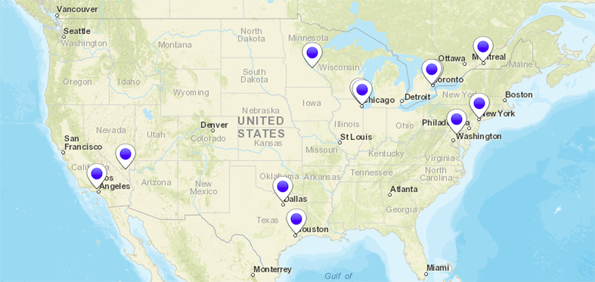
CURRENTLY ACTIVE CHURCHES/CONGREGATIONS:
Bulgarian Evangelical Churches in Chicago (2017 Report)
Bulgarian Evangelical Churches in Texas (2017 Report)
Bulgarian Evangelical Churches – West Coast (2017 Report)
- Los Angeles (occasional/outreach of the Foursquare Church – Mission Hills, CA)
- Las Vegas (outreach of the Foursquare Church – http://lasvegaschurch.tv)
- San Francisco (occasional/inactive since 2012, Berkeley University/Concord, CA)
- Phoenix, Arizona
Bulgarian Evangelical Churches Canada (2017 Report)
- Toronto (inactive since 2007)
- Toronto/Slavic (active since 2009)
- Montreal (occasional/inactive since 2012)
Atlanta (active since 1996)
CURRENTLY INACTIVE CHURCHES/CONGREGATIONS:
- New York, NY (currently inactive)
- Buffalo, NY (occasional/inactive)
- Jacksonville, FL (occasional/inactive since 2014)
- Ft. Lauderdale / Miami (currently inactive)
- Washington State, Seattle area (currently inactive)
- Minneapolis, MN (occasional/inactive since 2015)
READ MORE:
- First Bulgarian Church in Chicago Opened in 1907
- Gateway Cities for Bulgarian Evangelical Churches
- How to Start a Bulgarian Church in America from A-to-Z
- Unrealized Spiritual Harvest as a Paradigm for Cross-Cultural Ministries among Migrant and Disfranchised Ethnic Groups in America Today
Bulgarian Evangelical Churches in the European Union (2022 Report)
- Bulgarian Evangelical Churches in Germany
- Bulgarian Evangelical Churches in Spain
- Bulgarian Evangelical Churches in England
- Bulgarian Evangelical Churches in France
- Bulgarian Evangelical Churches in Belgium
- Bulgarian Evangelical Churches in Italy
- Bulgarian Evangelical Churches in Cyprus
- Bulgarian Evangelical Churches in Crete
READ MORE:
- First Bulgarian Church in Chicago Opened in 1907
- Gateway Cities for Bulgarian Evangelical Churches
- How to Start a Bulgarian Church in America from A-to-Z
- Unrealized Spiritual Harvest as a Paradigm for Cross-Cultural Ministries among Migrant and Disfranchised Ethnic Groups in America Today
Bulgarian Evangelical Churches in Germany (2022 Report)
Bulgarian Evangelical Churches in Germany (2022 Report)
Koloniestraße 23, 13359 Berlin
P-r Trajan
Rathausstr. 13, 21502 Geesthacht
P-r Nasko
Zollhofstrasse 4, 67061 Ludwigshafen
P-r Asen
Ruhrort Apostelestr. 58, Duisburg 47053
P-r Dari
Kaiser Wilhelm Str. 255, 47169 Duisburg
Bremen Walle Heerstr 197
P-r Dimitar
Hofäckerstrasse 3 71732 Tamm
P-r Emil
Höfflerstr. 14 – Kaiserslautern 67659
P-r Todor
Franz Georg str 36, Trier 54290
P-r Krasimir i Bena
Kirschstr 45a, Montabaur 56410
P-r Ličo i Lejsti
Donauwörther str. 85, Neuburg an der Donau 86633
P-r Ličo i Cecka
Thiewall 9, Hameln 31785
P-r Vasko i Irena
Berliner Str. 77, 51064
P-r Mančo i Dari
Bahnhofstr. 4, Hagen 58095
P-r Miroslav
Oranien Str. 15, Wiesbaden 65185
P-r Sašo, „Šalom Visbaden“
Hinterbärenbadstr. 4, München 81373
Hafenweg 31, 48155 Münster
P-r Simeon i Pepi Vlačkovi
Sundays 7 PM
Goethering 9-11, Osnabrück 49074
P-r Gosho
Lange Str. 226, D-59067 Hamm
P-r Ivo
Zwickau (Sachsen)
Domashna grupa
Rosen
Bremen – Evangel. Gemeinschaftszentrum, Waller Heerstraße 197, 28219 Bremen
Seitenweg 13, 28309 Bremen
Jašar Atanasov
Duisburg
Die Brücke, Johannismarkt 7, 47169 Duisburg
Jašar Mihajlov
http://duisburg.incilbg.com/
Hannover
Lankwitzweg 56, D-30179 Hannover
Aldeniz
Frankfurt a.M.
Lotzstr. 54, 65934 Frankfurt-Nied
Asen Stefanov
Sundays 1:30 PM
http://www.iyihaber-frankfurt.de
Hamburg
Lichtinsel Veringstrasse 47: D-21107 Hamburg – Wilhelmsburg
P-r Ilhan
Sundays 2PM
Domašna grupa
Billstedter Hauptst. 43, 22111 Hamburg
Okšan
Kiel
Domašna grupa
Bilhan
Limburg
Offheimer Weg 50, 65549 Limburg
Ferdi Filipov
Offenbach a.M.
Waldstr. 36, 63065 Offenbach
Sali Ahmed 01771470903
Nedelja ot 17:30 http://www.iyihaber-offenbach.de/
Osnabrück
Goethering 9-11, 49074 Osnabrück
P-r Nazmi
Limburg
Offheimer Weg 50, D-65549 Limburg
Filip Filipov
Nedelja 18:00 č.
Mönchengladbach
Domašno sabirane
Jakub Jakubov
Saarland / Ramiz Ognjanov
2020 Vision for Bulgarian Evangelical Churches Abroad Completed
Over a decade ago, after publishing Bulgarian Churches in North America: Analytical Overview and Church Planting Proposal for Bulgarian American Congregations Considering Cultural, Economical and Leadership Dimensions, we purposed to explore the possibility of implementing the church planning program among Bulgarian Diasporas in various destination countries of migration.
With this in mind, we carried the vision for establishing 20 Bulgarian churches outside of Bulgaria by the year 2020. Cyprus, the United Kingdom and Canada were among the first to successfully implement our program. Bulgarian migrant communities in France, Italy and especially Spain and Germany followed with great enthusiasm – there are 7 Bulgarian evangelical churches active in Span today, and 18 in Germany.
Of course, not all parts of the program proved to be efficient. The program’s modules and training that was implemented, however, have produced 47 strong church plants thus far and the number is growing every month. The program proposed has been confirmed by the leadership we have received from the Holy Spirit. Our commitment to seize the opportunity and work toward adding more Bulgarian churches by the year 2020 has by far surpassed all expectations.
Bulgarian Evangelical Churches in the European Union (2020 Report)
- Bulgarian Evangelical Churches in Germany
- Bulgarian Evangelical Churches in Spain
- Bulgarian Evangelical Churches in England
- Bulgarian Evangelical Churches in France
- Bulgarian Evangelical Churches in Belgium
- Bulgarian Evangelical Churches in Italy
- Bulgarian Evangelical Churches in Cyprus
- Bulgarian Evangelical Churches in Crete
Bulgarian Evangelical Churches in America (2020 Report)
- Bulgarian Evangelical Churches in Chicago (2020 Report)
- Bulgarian Evangelical Churches in Texas (2020 Report)
- Bulgarian Evangelical Churches – West Coast (2020 Report)
- Atlanta (active since 1996)
- Los Angeles (occasional/outreach of the Foursquare Church – Mission Hills, CA)
- Las Vegas (outreach of the Foursquare Church – http://lasvegaschurch.tv)
- San Francisco (occasional/inactive since 2012, Berkeley University/Concord, CA)
Bulgarian Evangelical Churches in Canada (2020 Report)
- Toronto (inactive since 2007)
- Toronto/Slavic (active since 2009)
- Montreal (occasional/inactive since 2012)
CURRENTLY INACTIVE CHURCHES/CONGREGATIONS:
- New York, NY (currently inactive)
- Buffalo, NY (occasional/inactive)
- Jacksonville, FL (occasional/inactive since 2014)
- Ft. Lauderdale / Miami (currently inactive)
- Washington State, Seattle area (currently inactive)
- Minneapolis, MN (occasional/inactive since 2015)
READ MORE:
- First Bulgarian Church in Chicago Opened in 1907
- Gateway Cities for Bulgarian Evangelical Churches
- How to Start a Bulgarian Church in America from A-to-Z
- Unrealized Spiritual Harvest as a Paradigm for Cross-Cultural Ministries among Migrant and Disfranchised Ethnic Groups in America Today
Global Network of Bulgarian Evangelical Churches outside of Bulgaria (2021 Report)
Bulgarian Evangelical Churches in the European Union (2019)
- Bulgarian Evangelical Churches in Germany
- Bulgarian Evangelical Churches in Spain
- Bulgarian Evangelical Churches in England
- Bulgarian Evangelical Churches in France
- Bulgarian Evangelical Churches in Belgium
- Bulgarian Evangelical Churches in Italy
- Bulgarian Evangelical Churches in Cyprus
- Bulgarian Evangelical Churches in Crete
Bulgarian Evangelical Churches in America (2019 Report)
- Bulgarian Evangelical Churches in Chicago (2019 Report)
- Bulgarian Evangelical Churches in Texas (2019 Report)
- Bulgarian Evangelical Churches – West Coast (2019 Report)
- Atlanta (active since 1996)
- Los Angeles (occasional/outreach of the Foursquare Church – Mission Hills, CA)
- Las Vegas (outreach of the Foursquare Church – http://lasvegaschurch.tv)
- San Francisco (occasional/inactive since 2012, Berkeley University/Concord, CA)
Bulgarian Evangelical Churches in Canada (2019 Report)
- Toronto (inactive since 2007)
- Toronto/Slavic (active since 2009)
- Montreal (occasional/inactive since 2012)
CURRENTLY INACTIVE CHURCHES/CONGREGATIONS:
- New York, NY (currently inactive)
- Buffalo, NY (occasional/inactive)
- Jacksonville, FL (occasional/inactive since 2014)
- Ft. Lauderdale / Miami (currently inactive)
- Washington State, Seattle area (currently inactive)
- Minneapolis, MN (occasional/inactive since 2015)
READ MORE:
- First Bulgarian Church in Chicago Opened in 1907
- Gateway Cities for Bulgarian Evangelical Churches
- How to Start a Bulgarian Church in America from A-to-Z
- Unrealized Spiritual Harvest as a Paradigm for Cross-Cultural Ministries among Migrant and Disfranchised Ethnic Groups in America Today
2021 Catalog of Immigrant Bulgarian Evangelical Churches around the World
Bulgarian Evangelical Churches in the European Union (2017 Report)
- Bulgarian Evangelical Churches in Germany
- Bulgarian Evangelical Churches in Spain
- Bulgarian Evangelical Churches in England
- Bulgarian Evangelical Churches in France
- Bulgarian Evangelical Churches in Belgium
- Bulgarian Evangelical Churches in Italy
- Bulgarian Evangelical Churches in Cyprus
- Bulgarian Evangelical Churches in Crete
Bulgarian Evangelical Churches in America (2017 Report)
- Bulgarian Evangelical Churches in Chicago (2017 Report)
- Bulgarian Evangelical Churches in Texas (2017 Report)
- Bulgarian Evangelical Churches – West Coast (2017 Report)
- Atlanta (active since 1996)
- Los Angeles (occasional/outreach of the Foursquare Church – Mission Hills, CA)
- Las Vegas (outreach of the Foursquare Church – http://lasvegaschurch.tv)
- San Francisco (occasional/inactive since 2012, Berkeley University/Concord, CA)
Bulgarian Evangelical Churches in Canada (2017 Report)
- Toronto (inactive since 2007)
- Toronto/Slavic (active since 2009)
- Montreal (occasional/inactive since 2012)
CURRENTLY INACTIVE CHURCHES/CONGREGATIONS:
- New York, NY (currently inactive)
- Buffalo, NY (occasional/inactive)
- Jacksonville, FL (occasional/inactive since 2014)
- Ft. Lauderdale / Miami (currently inactive)
- Washington State, Seattle area (currently inactive)
- Minneapolis, MN (occasional/inactive since 2015)
READ MORE:
- First Bulgarian Church in Chicago Opened in 1907
- Gateway Cities for Bulgarian Evangelical Churches
- How to Start a Bulgarian Church in America from A-to-Z
- Unrealized Spiritual Harvest as a Paradigm for Cross-Cultural Ministries among Migrant and Disfranchised Ethnic Groups in America Today
Bulgarian Evangelical Churches in the European Union (2021 Report)
- Bulgarian Evangelical Churches in Germany
- Bulgarian Evangelical Churches in Spain
- Bulgarian Evangelical Churches in England
- Bulgarian Evangelical Churches in France
- Bulgarian Evangelical Churches in Belgium
- Bulgarian Evangelical Churches in Italy
- Bulgarian Evangelical Churches in Cyprus
- Bulgarian Evangelical Churches in Crete
READ MORE:


