

The CHURCH has LEFT the building AGAIN…
First Day of School in Bulgaria
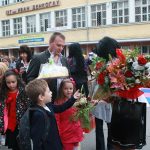
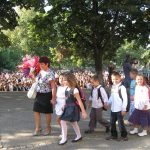
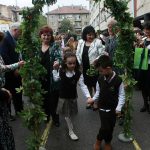
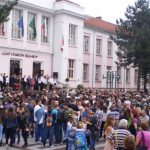
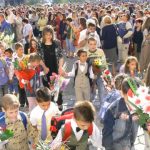
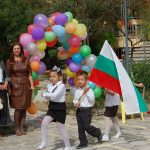
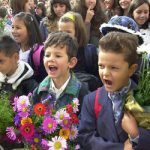
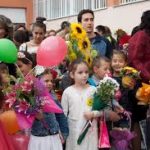
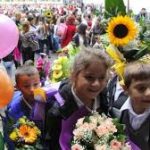
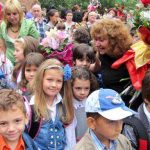
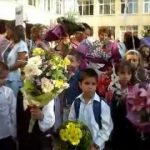
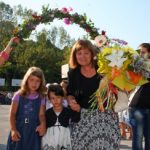
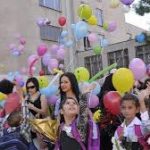
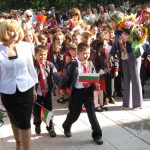
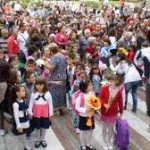
Never Forget 25 Years Later

Thomas Aquinas: Works and Common Latin Abbreviations by Dr. Dony K. Donev
Thomas Aquinas: Works and Common Latin Abbreviations
Consolidated reference table with Latin titles, supplied Greek title translations, and English translations. Latin abbreviations follow common modern Thomistic citation practice; variants occur by edition and publisher. Greek titles are translations/short titles, not a universal Greek abbreviation system.
Scope: principal authentic works plus selected doubtful/probably authentic works included in the prior table. “Doubtful” reflects the status used in this working reference; consult the Corpus Thomisticum and the citation guide required by your publisher for definitive editorial decisions.
Major works
| Abbreviation | Latin title | Greek translation | English translation | Status |
| Super Sent. | Scriptum super libros Sententiarum | Σχόλιον εἰς τὰ βιβλία τῶν Ἀποφάσεων | Commentary on the Books of Sentences | — |
| ST | Summa theologiae | Σύνοψη τῆς θεολογίας | Summa of Theology | — |
| ST Suppl. | Supplementum tertiae partis | Συμπλήρωμα τοῦ τρίτου μέρους | Supplement to the Third Part | — |
| ScG | Summa contra Gentiles | Σύνοψη κατὰ τῶν ἐθνῶν | Summa Against the Gentiles | — |
| Comp. theol. | Compendium theologiae | Ἐπιτομὴ τῆς θεολογίας | Compendium of Theology | — |
| Lectura Romana | Lectura Romana in primum Sententiarum Petri Lombardi | Ῥωμαϊκὴ διάλεξις εἰς τὸ πρῶτον βιβλίον τῶν Ἀποφάσεων τοῦ Πέτρου Λομβάρδου | Roman Lectures on Peter Lombard’s First Book of Sentences | Doubtful |
Disputed questions
| Abbreviation | Latin title | Greek translation | English translation | Status |
| De verit. | Quaestiones disputatae De veritate | Διαλεχθεῖσαι ζητήσεις περὶ ἀληθείας | Disputed Questions on Truth | — |
| De pot. | Quaestiones disputatae De potentia | Διαλεχθεῖσαι ζητήσεις περὶ δυνάμεως | Disputed Questions on Power | — |
| Q. de anima | Quaestiones disputatae De anima | Διαλεχθεῖσαι ζητήσεις περὶ ψυχῆς | Disputed Questions on the Soul | — |
| De spir. creat. | Quaestio disputata De spiritualibus creaturis | Διαλεχθεῖσα ζήτησις περὶ πνευματικῶν κτισμάτων | Disputed Question on Spiritual Creatures | — |
| De unione Verbi | Quaestio disputata De unione Verbi incarnati | Διαλεχθεῖσα ζήτησις περὶ τῆς ἑνώσεως τοῦ σαρκωθέντος Λόγου | Disputed Question on the Union of the Incarnate Word | — |
| De malo | Quaestiones disputatae De malo | Διαλεχθεῖσαι ζητήσεις περὶ κακοῦ | Disputed Questions on Evil | — |
| De virtut. | Quaestiones disputatae De virtutibus | Διαλεχθεῖσαι ζητήσεις περὶ ἀρετῶν | Disputed Questions on the Virtues | — |
| De virtut. in comm. | Quaestio disputata De virtute in communi | Διαλεχθεῖσα ζήτησις περὶ ἀρετῆς καθόλου | Disputed Question on Virtue in General | — |
| De carit. | Quaestio disputata De caritate | Διαλεχθεῖσα ζήτησις περὶ ἀγάπης | Disputed Question on Charity | — |
| De correc. frater. | Quaestio disputata De correctione fraterna | Διαλεχθεῖσα ζήτησις περὶ ἀδελφικῆς διορθώσεως | Disputed Question on Fraternal Correction | — |
| De spe | Quaestio disputata De spe | Διαλεχθεῖσα ζήτησις περὶ ἐλπίδος | Disputed Question on Hope | — |
| De virtut. card. | Quaestio disputata De virtutibus cardinalibus | Διαλεχθεῖσα ζήτησις περὶ τῶν κυρίων ἀρετῶν | Disputed Question on the Cardinal Virtues | — |
| Quodl. | Quaestiones de quolibet | Ζητήσεις περὶ παντὸς θέματος | Quodlibetal Questions | — |
| De libro vitae | Quaestio De libro vitae | Ζήτησις περὶ τοῦ βιβλίου τῆς ζωῆς | Question on the Book of Life | Doubtful |
Philosophical works
| Abbreviation | Latin title | Greek translation | English translation | Status |
| De ente | De ente et essentia | Περὶ τοῦ ὄντος καὶ τῆς οὐσίας | On Being and Essence | — |
| De princ. nat. | De principiis naturae | Περὶ τῶν ἀρχῶν τῆς φύσεως | On the Principles of Nature | — |
| De unit. intell. | De unitate intellectus contra Averroistas | Περὶ τῆς ἑνότητος τοῦ νοῦ κατὰ τῶν Ἀβερροϊστῶν | On the Unity of the Intellect, Against the Averroists | — |
| De aetern. mundi | De aeternitate mundi contra murmurantes | Περὶ τῆς ἀϊδιότητος τοῦ κόσμου κατὰ τῶν γογγυζόντων | On the Eternity of the World, Against the Grumblers | — |
| De subst. sep. | De substantiis separatis | Περὶ τῶν χωριστῶν οὐσιῶν | On Separate Substances | — |
| De mixt. elem. | De mixtione elementorum | Περὶ τῆς μίξεως τῶν στοιχείων | On the Mixture of the Elements | — |
| De motu cord. | De motu cordis | Περὶ τῆς κινήσεως τῆς καρδίας | On the Motion of the Heart | — |
| De op. occ. | De operationibus occultis naturae | Περὶ τῶν κρυφίων ἐνεργειῶν τῆς φύσεως | On the Hidden Operations of Nature | — |
| De iud. ast. | De iudiciis astrorum | Περὶ τῶν κρίσεων τῶν ἄστρων | On Astrological Judgments | — |
| De sort. | De sortibus | Περὶ κλήρων | On the Casting of Lots | — |
| De fallaciis | De fallaciis | Περὶ τῶν σοφισμάτων | On Fallacies | Doubtful |
| De prop. modal. | De propositionibus modalibus | Περὶ τροπικῶν προτάσεων | On Modal Propositions | Doubtful |
| De cogn. animae | De cognitione animae | Περὶ τῆς γνώσεως τῆς ψυχῆς | On the Knowledge of the Soul | Doubtful |
| De immort. animae | De immortalitate animae | Περὶ τῆς ἀθανασίας τῆς ψυχῆς | On the Immortality of the Soul | Doubtful |
Theology, church, and polemics
| Abbreviation | Latin title | Greek translation | English translation | Status |
| De art. fid. | De articulis fidei et Ecclesiae sacramentis | Περὶ τῶν ἄρθρων τῆς πίστεως καὶ τῶν μυστηρίων τῆς Ἐκκλησίας | On the Articles of Faith and the Sacraments of the Church | — |
| De rat. fid. | De rationibus fidei ad cantorem Antiochenum | Περὶ τῶν λόγων τῆς πίστεως πρὸς τὸν ψάλτην τῆς Ἀντιοχείας | On the Reasons for the Faith, to the Cantor of Antioch | — |
| De perf. | De perfectione spiritualis vitae | Περὶ τῆς τελειότητος τοῦ πνευματικοῦ βίου | On the Perfection of the Spiritual Life | — |
| Cont. impug. | Contra impugnantes Dei cultum et religionem | Κατὰ τῶν πολεμούντων τὴν λατρείαν τοῦ Θεοῦ καὶ τὸν θρησκευτικὸ βίο | Against Those Who Attack the Worship of God and Religious Life | — |
| Cont. retrah. | Contra doctrinam retrahentium a religione | Κατὰ τῆς διδασκαλίας τῶν ἀποσπώντων ἀπὸ τοῦ θρησκευτικοῦ βίου | Against the Teaching of Those Who Draw People Away from Religious Life | — |
| Cont. err. Graec. | Contra errores Graecorum | Κατὰ τῶν πλανῶν τῶν Ἑλλήνων | Against the Errors of the Greeks | — |
| De forma abs. | De forma absolutionis | Περὶ τοῦ τύπου τῆς ἀφέσεως | On the Form of Absolution | — |
| De regno | De regno ad regem Cypri | Περὶ βασιλείας πρὸς τὸν βασιλέα τῆς Κύπρου | On Kingship, to the King of Cyprus | — |
| De empt. | De emptione et venditione ad tempus | Περὶ ἀγορασίας καὶ πωλήσεως ἐπὶ χρόνῳ | On Buying and Selling on Credit | — |
| Ad Bernard. | Epistola ad Bernardum | Ἐπιστολὴ πρὸς Βερνάρδον | Letter to Bernard | — |
| Ad duc. Brab. | Epistola ad ducissam Brabantiae | Ἐπιστολὴ πρὸς τὴν δούκισσαν τῆς Βραβάντης | Letter to the Duchess of Brabant | — |
| De 6 art. | Responsiones ad magistrum Ioannem de Vercellis de VI articulis | Ἀποκρίσεις πρὸς τὸν διδάσκαλον Ἰωάννην τὸν ἐκ Βερκελλῶν περὶ ἓξ ἄρθρων | Replies to Master John of Vercelli on Six Articles | — |
| De 30 art. | Responsiones ad magistrum Ioannem de Vercellis de XXX articulis | Ἀποκρίσεις πρὸς τὸν διδάσκαλον Ἰωάννην τὸν ἐκ Βερκελλῶν περὶ τριάκοντα ἄρθρων | Replies to Master John of Vercelli on Thirty Articles | — |
| De 36 art. | Responsiones ad lectorem Venetum de XXXVI articulis | Ἀποκρίσεις πρὸς τὸν Βενετὸν ἀναγνώστην περὶ τριάκοντα ἓξ ἄρθρων | Replies to the Venetian Reader on Thirty-Six Articles | — |
| De 43 art. | Responsiones ad magistrum Ioannem de Vercellis de XLIII articulis | Ἀποκρίσεις πρὸς τὸν διδάσκαλον Ἰωάννην τὸν ἐκ Βερκελλῶν περὶ τεσσαράκοντα τριῶν ἄρθρων | Replies to Master John of Vercelli on Forty-Three Articles | — |
| De 108 art. | Responsiones ad magistrum Ioannem de Vercellis de CVIII articulis | Ἀποκρίσεις πρὸς τὸν διδάσκαλον Ἰωάννην τὸν ἐκ Βερκελλῶν περὶ ἑκατὸν ὀκτὼ ἄρθρων | Replies to Master John of Vercelli on 108 Articles | — |
Philosophical commentaries
| Abbreviation | Latin title | Greek translation | English translation | Status |
| Super Peri herm. | Expositio libri Peryermeneias | Ἑρμηνεία τοῦ βιβλίου Περὶ ἑρμηνείας | Commentary on Aristotle’s On Interpretation | — |
| Super Post. An. | Expositio libri Posteriorum Analyticorum | Ἑρμηνεία τῶν Ὑστέρων Ἀναλυτικῶν | Commentary on Aristotle’s Posterior Analytics | — |
| Super Phys. | In libros Physicorum | Σχόλιον εἰς τὰ Φυσικά | Commentary on Aristotle’s Physics | — |
| Super De caelo | In libros De caelo et mundo | Σχόλιον εἰς τὸ Περὶ οὐρανοῦ καὶ κόσμου | Commentary on Aristotle’s On the Heavens and the World | — |
| Super De gen. | In libros De generatione et corruptione | Σχόλιον εἰς τὸ Περὶ γενέσεως καὶ φθορᾶς | Commentary on Aristotle’s On Generation and Corruption | — |
| Super Meteora | Sentencia super Meteora | Σχόλιον εἰς τὰ Μετεωρολογικά | Commentary on Aristotle’s Meteorology | — |
| Super De anima | Sentencia libri De anima | Σχόλιον εἰς τὸ Περὶ ψυχῆς | Commentary on Aristotle’s On the Soul | — |
| Super De sensu | Sentencia libri De sensu et sensato | Σχόλιον εἰς τὸ Περὶ αἰσθήσεως καὶ αἰσθητῶν | Commentary on Aristotle’s On Sense and the Sensible | — |
| Super De mem. | Sentencia libri De memoria et reminiscentia | Σχόλιον εἰς τὸ Περὶ μνήμης καὶ ἀναμνήσεως | Commentary on Aristotle’s On Memory and Recollection | — |
| Super Ethic. | Sententia libri Ethicorum | Σχόλιον εἰς τὰ Ἠθικὰ Νικομάχεια | Commentary on Aristotle’s Nicomachean Ethics | — |
| Tab. Ethic. | Tabula Ethicorum | Πίναξ τῶν Ἠθικῶν | Table/Index of the Ethics | — |
| Super Pol. | Sententia libri Politicorum | Σχόλιον εἰς τὰ Πολιτικά | Commentary on Aristotle’s Politics | — |
| Super Metaph. | Sententia libri Metaphysicae | Σχόλιον εἰς τὰ Μετὰ τὰ φυσικά | Commentary on Aristotle’s Metaphysics | — |
| Super De causis | Super librum De causis expositio | Ἑρμηνεία εἰς τὸ Βιβλίον περὶ αἰτιῶν | Commentary on the Book of Causes | — |
| Super De div. nom. | In librum B. Dionysii De divinis nominibus expositio | Ἑρμηνεία εἰς τὸ βιβλίον τοῦ ἁγίου Διονυσίου Περὶ θείων ὀνομάτων | Commentary on Pseudo-Dionysius’s Divine Names | — |
| Super De hebd. | Expositio libri Boetii De ebdomadibus | Ἑρμηνεία τοῦ βιβλίου τοῦ Βοηθίου Περὶ Ἑβδομάδων | Commentary on Boethius’s On the Hebdomads | — |
| Super De Trin. | Super Boetium De Trinitate | Σχόλιον εἰς τὸ Περὶ Τριάδος τοῦ Βοηθίου | Commentary on Boethius’s On the Trinity | — |
Biblical commentaries
| Abbreviation | Latin title | Greek translation | English translation | Status |
| Super Ps. | Super Psalmos | Σχόλιον εἰς τοὺς Ψαλμούς | Commentary on the Psalms | — |
| Super Iob | Expositio super Iob ad litteram | Κατὰ γράμμα ἑρμηνεία εἰς τὸν Ἰώβ | Literal Commentary on Job | — |
| Super Is. | Super Isaiam | Σχόλιον εἰς τὸν Ἠσαΐαν | Commentary on Isaiah | — |
| Super Ier. | In Ieremiam | Σχόλιον εἰς τὸν Ἱερεμίαν | Commentary on Jeremiah | — |
| Super Thren. | Super Threnos Ieremiae | Σχόλιον εἰς τοὺς Θρήνους τοῦ Ἱερεμίου | Commentary on Lamentations | Doubtful |
| Super Matt. | Super Matthaeum | Σχόλιον εἰς τὸν Ματθαῖον | Commentary on Matthew | — |
| Super Ioan. | Super Ioannem | Σχόλιον εἰς τὸν Ἰωάννην | Commentary on John | — |
| Cat. Matt. | Catena aurea in Matthaeum | Χρυσῆ ἅλυσις εἰς τὸν Ματθαῖον | Golden Chain on Matthew | — |
| Cat. Marc. | Catena aurea in Marcum | Χρυσῆ ἅλυσις εἰς τὸν Μάρκον | Golden Chain on Mark | — |
| Cat. Luc. | Catena aurea in Lucam | Χρυσῆ ἅλυσις εἰς τὸν Λουκᾶν | Golden Chain on Luke | — |
| Cat. Ioan. | Catena aurea in Ioannem | Χρυσῆ ἅλυσις εἰς τὸν Ἰωάννην | Golden Chain on John | — |
| Super Rom. | Super Romanos | Σχόλιον εἰς τὴν Πρὸς Ῥωμαίους | Commentary on Romans | — |
| Super I Cor. | Super I ad Corinthios | Σχόλιον εἰς τὴν Αʹ Πρὸς Κορινθίους | Commentary on First Corinthians | — |
| Super II Cor. | Super II ad Corinthios | Σχόλιον εἰς τὴν Βʹ Πρὸς Κορινθίους | Commentary on Second Corinthians | — |
| Super Gal. | Super Galatas | Σχόλιον εἰς τὴν Πρὸς Γαλάτας | Commentary on Galatians | — |
| Super Eph. | Super Ephesios | Σχόλιον εἰς τὴν Πρὸς Ἐφεσίους | Commentary on Ephesians | — |
| Super Phil. | Super Philippenses | Σχόλιον εἰς τὴν Πρὸς Φιλιππησίους | Commentary on Philippians | — |
| Super Col. | Super Colossenses | Σχόλιον εἰς τὴν Πρὸς Κολοσσαεῖς | Commentary on Colossians | — |
| Super I Thess. | Super I Thessalonicenses | Σχόλιον εἰς τὴν Αʹ Πρὸς Θεσσαλονικεῖς | Commentary on First Thessalonians | — |
| Super II Thess. | Super II Thessalonicenses | Σχόλιον εἰς τὴν Βʹ Πρὸς Θεσσαλονικεῖς | Commentary on Second Thessalonians | — |
| Super I Tim. | Super I Timotheum | Σχόλιον εἰς τὴν Αʹ Πρὸς Τιμόθεον | Commentary on First Timothy | — |
| Super II Tim. | Super II Timotheum | Σχόλιον εἰς τὴν Βʹ Πρὸς Τιμόθεον | Commentary on Second Timothy | — |
| Super Tit. | Super Titum | Σχόλιον εἰς τὴν Πρὸς Τίτον | Commentary on Titus | — |
| Super Philem. | Super Philemonem | Σχόλιον εἰς τὴν Πρὸς Φιλήμονα | Commentary on Philemon | — |
| Super Heb. | Super Epistolam ad Hebraeos | Σχόλιον εἰς τὴν Πρὸς Ἑβραίους | Commentary on Hebrews | — |
Catecheses, sermons, and liturgy
| Abbreviation | Latin title | Greek translation | English translation | Status |
| In Symb. | Collationes in Symbolum Apostolorum | Διαλέξεις εἰς τὸ Σύμβολον τῶν Ἀποστόλων | Conferences on the Apostles’ Creed | — |
| Expos. Sal. ang. | Expositio Salutationis angelicae | Ἑρμηνεία τοῦ Ἀγγελικοῦ Ἀσπασμοῦ | Explanation of the Angelic Salutation | — |
| De dec. praec. | Collationes de decem praeceptis | Διαλέξεις περὶ τῶν δέκα ἐντολῶν | Conferences on the Ten Commandments | — |
| In orat. dom. | Expositio in orationem dominicam | Ἑρμηνεία εἰς τὴν Κυριακὴ Προσευχή | Explanation of the Lord’s Prayer | — |
| Off. Corp. Chr. | Officium Corporis Christi | Ἀκολουθία τοῦ Σώματος τοῦ Χριστοῦ | Office of Corpus Christi | Doubtful |
| Adoro te devote | Adoro te devote | Σὲ προσκυνῶ εὐλαβῶς | I Devoutly Adore You | Doubtful |
| Serm. | Sermones | Κηρύγματα | Sermons | — |
| Princ. bib. | Principium biblicum “Hic est liber” | Βιβλικὸν προοίμιον «Οὗτός ἐστιν ὁ βιβλίος» | Biblical Inaugural Lecture, “This Is the Book” | Doubtful |
Citation components
| Form | Meaning |
| pro. | prologue |
| q. | question |
| a. | article |
| obj. | objection |
| s.c. | sed contra / on the contrary |
| resp. | respondeo / central response |
| ad | reply to an objection |
| c. | chapter |
| lect. | lecture |
| dist. / d. | distinction |
| corp. | body of the article |
Sources and use
Primary reference points: The Thomist, “Abbreviations and Citations of the Works of Thomas Aquinas” (2025); Corpus Thomisticum, Opera omnia and synoptic catalogue. Citation abbreviations and exact Latin titles can differ slightly among the Leonine edition, Marietti editions, institutional style guides, and digital editions.
Example: ST I, q. 2, a. 3 = Summa theologiae, First Part, question 2, article 3.
A Summer of Serving: Bringing Hope and the Gospel to Appalachian Communities
by Cup&Cross Ministries, Intl.
Growing up in the Appalachian Mountains has made ministry to this region deeply personal. The people and the challenges faced by rural families are not distant realities to us as humble messengers of the Gospel. Because of our commitment to honoring the dignity of every individual, we have never been a ministry that uses images of poverty or vulnerable children to raise support. For ethical reasons and out of respect for the families we serve, this report will be presented through words rather than photographs.
This summer, we have been blessed with numerous opportunities to minister throughout the rural communities from Tennessee to North Carolina. Each opportunity has been a reminder that ministry is often found in simple acts of compassion and being open to the tug on your heart to act where and how He commands. Our summer outreach began with an invitation to participate in a community event held at the county courthouse, where we helped provide shoes, school supplies, and food for more than 150 children. This initial partnership opened the door for further ministry involvement, including helping prepare and pack more than 300 ministry bags filled with Bible devotions, crafts, and resources designed to encourage children spiritually.
Following, we partnered with a local Baptist church to distribute vitamins we donated to children participating in their summer program. This was an unplanned event that from start to finish literally happened within 24 hours. For many families, basic health resources that we often overlook are difficult to afford. These moments remind us of the many blessings we experience each day and the importance of sharing those blessings with others.
Through the Cup & Cross Homeschool Network, we were also able to provide homeschool curriculum and educational resources to families within our community. Supporting parents who are committed to educating their children while strengthening their faith continues to be an important part of our mission. And during this election season, we have had the opportunity to engage with several candidates and community leaders to raise awareness about the importance of homeschool independence, parental rights, and educational freedom. Building upon these conversations, we continued advocating for families and strengthening relationships with local leaders which is apparent by Cup & Cross successfully working with the county commissioners to adopt our county as the first homeschool sanctuary in the Nation. We also are continuing to serve in the Summer Serve Project of the First Lady of our State as well.
Throughout the summer, we have also had the privilege of volunteering with several local churches during their Vacation Bible School programs and three week-long summer camps one of which was personally hosted to teach the Eastern European community in our area. These opportunities have allowed us to invest directly into the next generation by teaching children the Word of God and building relationships within our community which is so important to us. Jesus did ministry by “walking around” and it is one that should not be overlooked.
Our passion for reaching children with Biblical truth throughout the summer led to a unique divine connection beyond our local area. We traveled to North Carolina to minister to children within the Cherokee community of the Eastern Band of Cherokee Indians, the only federally recognized Native American tribe in North Carolina. This opportunity allowed us to share the love of Christ with our actions while learning from this historic community.
As we look ahead, we ask for prayer that God will continue to open doors and provide favor so that this relationship may grow and develop over the coming months. We are grateful for every opportunity to serve, knowing that even the smallest acts of kindness can become powerful expressions of God’s love.
“And let us not grow weary of doing good, for in due season we will reap, if we do not give up.” – Galatians 6:9
3 Sources of Spiritual Power
We need to have a spiritual awakening – we need a new power from God – the power of the Holy Spirit in us today, as on the Day of Pentecost! But the key which will release that power into our lives now is a new level of faith in Jesus Christ!
In Matthew 17, when Jesus’ disciples failed to cast out the demon from the epileptic boy and then asked him why, He rebuked them for their unbelief, ‘If you have faith as a grain of mustard seed, you shall say to this mountain, remove hence to yonder place and it shall remove’, AND AFTER IT DOES, ‘nothing will be impossible to you!’ (Matthew 17:20). What a challenge – while I was preaching this, God showed me the hidden key!
Unbelief brings failure: Jesus rebuked His disciples because they did not have the faith to do what they had to do – they had been given a specific job and when they were left to do it, they failed! Jesus spoke to them very strongly. Because they knew that they had failed publicly and He had rebuked them openly, they came to Him privately to ask what had gone wrong, in those immortal words, ‘Why?’ – ‘Why could we not cast out this spirit and heal the boy?’
Faith is the KEY: There is something hidden here. Yes, Jesus said in answer to their question, ‘If you had faith… you could move mountains.’ But the real secret of power is hidden. We get stuck at the thought that mortal man could move anything bigger than himself! We agonise over the reality of moving that mountain – call our friends to stand with us in believing prayer – because this mountain is proving harder than we thought to move. Then when it happens – that miracle, that healing, or financial solution – we become so excited (as I experienced so many times personally), that we drop the real key down the drain in our excitement!
The disciples had missed the opportunity of releasing the greatest power into their lives – Jesus was putting a key in their hands, and if they would only use this key, their lives would never be the same again! For me, searching and hungry for more of God’s power in my life, I saw what I have been waiting for – THERE IS A SPIRITUAL ‘REGION BEYOND’. Do you want more of God – a fresh bempoweremnt by the Holy Spirit? Whether you come alone, with friends, or as part of a church group, we invite you to be part of this significant day:
- A Day to Release the Full Power of the Holy Spirit.
- A Powerful Day of Impartation, Worship and Revival.
- Come expecting a fresh touch from Heaven, to be filled with the Holy Spirit.
We have 3 Sources of Spiritual Power: The Holy Spirit, prayer, and the power of the blood…
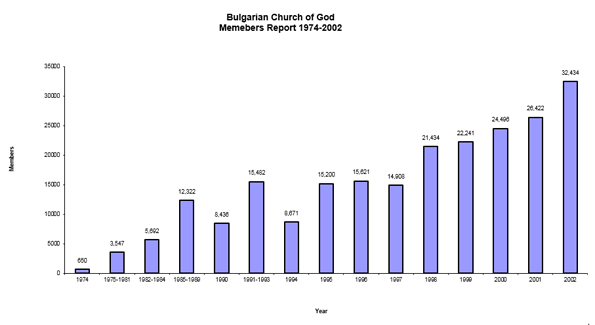
Another denomination splits from the Bulgarian Church of God
One more denomination has split from the Bulgarian Church of God. After a year of struggles and dilemmas, the annual report indexing the state of the church shows a new denomination registered with the municipality court in the capital Sofia. The new Philadelphia church has emerged from an association of Romani pastors with a similar name that has existed and operated for almost 15 years. This is the 11th officially registered fraction leaving the denomination since the split of 2005. Two more churches, Mostar and Rebirth, too seem to have ceased meetings within the last year after the sale of the Bulgarian Ministry Center in the capital Sofia. The Center which broke ground in 2001 and was dedicated in 2011, hosted a number of strategic Church of God congregations during its decade of operation. Since 2005, most older Romani congregations exist with dual registration alongside the national alliance of Church of God-United (unitarian). With the current split, the total number of fractions separating from the original denomination now exceeds 13 (if not 14):
- Bulgarian Church of God (27.12.1990)
- Church of God in Bulgaria (23.01.2006)
- God’s Church (13938/2006: 07.02.2007)
- Church of God-12 (Sofia, Rodostono)
- New Generation Church of God (05.04.2000)
- Bethesda Church of God (27.12.2010)
- BulLiv Church of God (15.01.2000)
- New Life Church of God (06.11.2000)
- Bulgarian Church of God – Sofia (4996/2003 Sredetz, E.Georgiev Bul. 2, apt. 4)
- Bridge Church of God (50/2013)
Rev. William Ward Meriam
On 22 April 1859, the Protestant missionary William Merriam and his wife were appointed as missionaries to the newly established missionary station in Plovdiv. This appointment formed part of a coordinated policy between the American Board of Commissioners for Foreign Missions and the Methodist Mission aimed at curbing the ambitions of the Catholic Uniate movement in the Balkans. The year 1859 marked the planned beginning of coordinated missionary activity on both sides of the Balkan Range. In 1857, Albert Long and Wesley Prettyman settled in Shumen (then Shumla). On Christmas Eve 1859, Dr. Long began holding regular worship services in the old capital Tarnovo, documenting a financial donation for a chitalishte (community cultural center) in which these services were to be conducted.
Almost simultaneously, in 1858, the Congregationalist Charles Morse settled in Sofia by appointment dated 26 March 1858, while the missionary Theodore Byington was appointed to Stara Zagora on 4 September 1858. Their settlement, as well as that of the missionary Merriam family in Plovdiv, is described in a letter from K. Vasilev to Nayden Gerov dated 15 October 1859. Prof. Hristo Hristov correctly notes the date of Merriam’s appointment to Plovdiv as 22 April 1859, as recorded in the archives of the American Board, whereas P. Angelova describes their later return to the city with the Clark family in October of the same year and therefore erroneously identifies Clark as “the first Protestant missionary in Plovdiv.” According to the American Board archives, however, Clark arrived half a year after Merriam.
The arrival of the Merriam family in Bulgaria marked the long-awaited beginning of serious activity aimed at the construction of churches in Sofia, Bansko, and Plovdiv, together with a school, as well as a similar institution in Stara Zagora. Rev. William Ward Merriam completed his theological studies at Harvard at the age of twenty-three and graduated from Andover Seminary only three years later. He married Susan Dimon on 1 September 1858 and was ordained by the Congregational Church on 28 November of the same year. His wife had been a long-serving teacher in Cambridge, Massachusetts.
On 17 January 1859, the couple sailed together for Smyrna, arriving there on 22 February. Almost immediately, on 12 March, a decision was taken to open a missionary station in Plovdiv. The Merriams then traveled to Adrianople (Edirne), where on 22 April 1859 they were formally appointed missionaries to Plovdiv and subsequently made several journeys to the city. In the autumn of the same year, the Clark family arrived from America and joined the new missionary station. The first missionary report from Plovdiv in 1859 states:
“On the part of the Bulgarians there exists a strong desire that the Bible be read in their native language… extensive fields, ripe for harvest, are open to native preachers, book distributors, and teachers… The Bulgarian nation is awakening to a new political life… No labor or sacrifice should be spared in order that these people may also be awakened to spiritual life.”
From the founding of the missionary station in Plovdiv, Protestant worship services were held every Sunday in Turkish, and the Bulgarian attendees soon expressed a desire to hear preaching in their own language. After the arrival of the Clark family in Plovdiv, a Bible study group was organized in their home. Following an unsuccessful rental agreement for a Greek-owned house, the missionaries rented the house of A. Zagarlia on Dzhambaz Tepe, where regular prayer meetings were attended by twelve to fifteen young Bulgarians.
On 21 July 1860, Merriam recorded in his diary: “Today Mr. Clark opened the school…” The first pupil was Zelo Mihailov from Chirpan, born in 1840, who had attended the Protestant college in Malta. Prior to the opening of the mission school, on 16 July, the pasha had been officially informed and exclaimed: “If all Protestant missionaries had begun with schools, they would have achieved far greater success.”
His comment demonstrates that the activities of the missionaries and the effectiveness of their educational work were well known to the authorities long before 1859–1860. On 24 November 1860, the Clark family rented a new residence due to the growing number of students. There were now five: Petar Musevich from Pazardzhik and Nikola Boyadzhiev from Panagyurishte, later joined by Georgi Penev from Chirpan, Ivan Tondzhorov from Samokov, and Andrey S. Tsanov from the Orhanie (Botevgrad) region. The Sunday school was attended by an additional seven to eight Bulgarian youths. Only two years later, students from the Protestant school were already singing a Bulgarian hymn in the church of St. Theotokos on the feast of Cyril and Methodius.
In the summer of 1862, the Merriam family traveled to Constantinople for the annual mission meeting. They were accompanied by their ten-month-old daughter Mary (born 27 August 1861, not a five-year-old son as erroneously stated by E. Shelton), while Susan Merriam was in an advanced stage of pregnancy. At the meeting with missionaries Morse and Byington, the expansion of the Bulgarian mission was discussed, which already counted thirty-two adherents in Plovdiv, Sofia, and Stara Zagora.
On 3 July 1862, the day before the American national holiday, while returning from the annual meeting along the road between Harmanli and Haskovo, in the region of Uzundzhovo, the Merriam family was attacked by brigands. A detailed account of the incident is found in a letter from Rufus Anderson, President of the American Board, dated 12 August 1862. The attack was carried out by five armed horsemen. Upon their appearance, the caravan’s guard – consisting of two well-armed mounted zaptiehs – fled without resistance, abandoning fifteen people traveling in five covered wagons. During the pursuit, a firefight ensued, and Merriam drew his own Colt revolver to defend his pregnant wife, who was holding their daughter. In response, the brigands opened fire, killing one of the horses and wounding two or three of the travelers. Merriam himself was struck by two bullets in his right side and died on the spot. He was only thirty-one years old.
His pregnant wife single-handedly defended her husband’s lifeless body and their infant daughter while the brigands looted the wagons. Two extraordinarily difficult days followed, during which Mrs. Merriam managed to transport her husband’s body to the nearest village. There she was met by a dispatched müdür, who assisted with the journey to Plovdiv. Burial could not be delayed, and under the protection of the British and Austrian consuls, it was carried out immediately in an Orthodox church. Some 20 days later, the trauma of the incident led to a premature birth, during which Mrs. Merriam died on 25 July 1862, together with her unborn twins. A special memorial service was held on 14 September of the same year by Rev. James Murray at the American Board’s Congregational church on Prospect Street in Cambridge.
The Merriams’ one-year-old daughter, Mary, was left a complete orphan in the very country to which God had called her parents as missionaries. She returned to Boston only on 12 May of the following year, aboard the sailing bark Smyrniota (owned by the Armenian merchant Marko Nikola Regio), which maintained a direct route between Smyrna and Boston. She was raised in the family of her uncle, John Newton Merriam, a prominent industrialist in Cambridge, Massachusetts. A high price – too often underestimated today – paid for the existence of an Evangelical church in Plovdiv.
 Dony K. Donev, D.Min., is a prominent researcher and author specializing in Bulgarian Protestant, Evangelical, and Pentecostal history, with over three decades of study. His work, including 19th Century History of Protestantism in Bulgaria and The Unforgotten: Historical and Theological Roots of Pentecostalism in Bulgaria, documents the development of these movements, their suppression under Communism, and the subsequent post-1989 revival. Key aspects of Donev’s research on Bulgarian Protestant history include:
Origins (19th Century): Protestant work began in the 1800s, with denominations like Congregationalists (1856), Methodists (1857), and Baptists (1865) establishing missions, culminating in the first Bulgarian Protestant Church in 1871. Donev also highlights the 1871 publication of the Protestant Bulgarian Bible translation. His research, often in collaboration with the Institute of Bulgarian Protestant History, has focused on preserving, digitizing, and recovering documents, including church diaries, photographs, and, in some cases, saving records from destruction during the communist era.
Spurling and Tomlinson: Between Azusa Street and Cleveland
Bezmer Residents Launch Petition Against U.S. Aircraft Deployment
Residents of the Bulgarian village of Bezmer have launched a petition opposing the deployment of American KC-135 tanker aircraft at the nearby military airbase, saying they fear the move could make the region a potential target because of tensions surrounding Iran.
The initiative was announced by Bezmer Mayor Rosen Rusev, who said support is already spreading to neighboring villages in Tundzha Municipality and across the Yambol region. The campaign follows the approval by Bulgaria‘s Parliament and government of a U.S. request to station up to eight American tanker aircraft and up to 250 military personnel at the Bezmer Air Base.
Local residents say their main concern is that the aircraft could be used for logistical missions connected to the conflict involving Iran, increasing security risks for nearby communities. “People in the village are worried because there are no clear guarantees for the security of the settlement itself,” Rusev said. “We hear that Iranian missiles can reach a target within minutes, and we do not know what system could intercept them because Bulgaria does not have modernized equipment capable of stopping such missiles.”
The petition has already been joined by the mayors and residents of Kozarevo, Malomir, Bolyarsko and other nearby villages. Signature sheets have been placed in municipal offices, shops and other public locations, with organizers planning to collect signatures until Friday. The document is expected to be submitted to the National Assembly, the regional governor of Yambol, the mayor of Tundzha Municipality and Defense Minister Dimitar Stoyanov during his scheduled visit to the region. The mayors of municipalities across Yambol Province have also prepared a joint position on regional security.
According to Rusev, support has grown rapidly. “In just one commercial establishment we counted around 100 signatures in a single day. There are several more collection points, so I believe there are already between 300 and 400 signatures, and the number is continuing to rise.” He acknowledged that residents understand the petition alone is unlikely to reverse the decision, but said some have also organized a protest outside the airbase scheduled for Friday evening.
The mayors of neighboring villages said they are hearing similar concerns from local residents. Bolyarsko Mayor Vanya Peeva said, “People follow the news and understand what is happening. The concerns are serious.” Roza Mayor Roza Encho Yorgov added that nearby villages fear they could become collateral victims if the airbase were ever targeted. “Residents believe that if anything happens at the airbase, neighboring settlements could also suffer from a conflict that we ourselves are entering,” she said.
Residents interviewed in Bezmer expressed fears that their village could become a military target. Some said they have no objection to the presence of aircraft or international military exercises, which have long been held at the base, but view the current deployment differently because they believe the tankers could directly support operations related to the Middle East.
“We are worried because Bezmer is becoming a target,” one resident said, while another added, “We don’t want them here. The whole village doesn’t want them.” Others argued that Bulgaria should avoid involvement in conflicts that do not directly concern the country. Several people said they were prepared to escalate their actions through protests, road blockades and civil disobedience if necessary.
Reports indicate that thousands of people have now joined the petition, while the first American tanker aircraft are expected to arrive at the airbase on Friday.
Defending the government’s decision, Progressive Bulgaria MP Yavor Gechev said the deployment serves Bulgaria‘s national interests and fulfills the country’s NATO commitments. Speaking on Bulgarian National Television, he noted that the presence of American military aircraft in Bulgaria is not unprecedented.
“Previously, American aircraft were stationed at Sofia Airport. Now they will be where they belong – at a military airbase,” Gechev said.
He stressed that Bulgaria is not at war with Iran and wants the conflict to end, but argued that refusing the request could damage relations with the United States, which he described as one of Bulgaria‘s key strategic partners. “These are strategic decisions. If we reject this cooperation, we risk worsening our relations with the United States, and that would also have economic consequences,” he said.
Gechev acknowledged that some supporters of the governing majority disagree with the deployment but maintained that decisions involving national security require a broader statesmanlike approach. He declined to comment on speculation linking the deployment to other diplomatic or economic issues, saying not every aspect of diplomacy can be made public.


