30 Years of Miracles: 2002
 Week 22 of Mission BULGARIA 2002 (January 13-20, 2002 – Sofia, BULGARIA)
This past Sunday we traveled to Pravetz for a coordinating meeting with pastors and members from the area. In the small upper room 64 were present not only from Pravetz but also from the towns of Botevegrad, Yablanitza, Etropole and I brought a short message on the Parable of the Prodigal Son, after which we had prayer for healing. People were coming to the front crying and kneeling wherever they found a place to receive prayer by the pastors. There was hardly any room to walk around the pulpit, as God poured out His Spirit and many were touched.
Week 24 of Mission BULGARIA 2002 (January 17-February 2, 2002 – Sofia, BULGARIA)
On Wednesday we started the service with a new worship team of seven musicians and singers and then I preached on Galatians chapter three. During the altar service we witnessed a great outpouring of the Holy Spirit as many cried, prayed and received miracles from God. Another good report came from the small village in the Rodopi Mountains (Southern Bulgaria). The village is close to the Turkish border and it is completely Muslim. The only three Christian converts were Pentecostal. In the beginning of this week they were approached by the Muslim imam (local chief of the town mosque), who asked them of their faith. As they explained what they believed, the imam who was in a wheel chair said, “If your God is real he can heal me now, can’t He?” The Christians prayed for him right on the small city squire in front of the mosque and the village people. The imam was instantly and completely healed. It was reported that by the end of the week the mosque was closed because no one attended any longer.
Week 24 of Mission BULGARIA 2002 (February 3-10, 2002 – Sofia, BULGARIA)
On Sunday we held a Communion service in the Pravetz Church of God. There, the more traditional for the Bulgarian Church of God style of taking Communion is still preserved, as it includes foot washing and a special prayer for the sick with anointing. After the service two reported instant healing.
Reporting from Bulgaria (October 1, 2002)
We have had services every day since July 9, 2002. Our team was able to start a new church in the Nedaialsko village. At first we began our meetings in the Orthodox temple there. As the congregation is growing rapidly, we believe for miracles among the younger people in the village. In another village, Kamenetz, the mayor sent us firewood to prepare for the coming winter. He and two other men cut and split the wood themselves and now we are ready for the winter. We have 5 services every week in that village. The believers have organized a continuous chain fast and prayer as God has answered many prayers, healed and given miracles in various situations. They are also very committed in helping our team.
December 2002 Day by Day Ministry Report from Bulgaria (December 31, 2002)
December 1: Dinner at the Gipsy church of Apo, Yambol
Services in Alexandrovo, Polyana and Kamenetz (65 miles traveled)
December 2: Services in Polyana, Kamenetz and Leyarovo (80 miles traveled)
December 3: Regular radio broadcast and Bible study seminar at Kamenetz
(60 miles traveled)
December 4: District service with people from Polyana, Kamenetz, Saransko and Leyarovo (60 people present/ 86 miles traveled)
December 5: Services in Lulin, Bogorovo, Polyana and Kamenetz (80 miles traveled)
December 6: Services in Blatetz (44 miles traveled)
December 8: Services in Alexandrovo, Polyana and Kamenetz (65 miles traveled)
December 9: Services in Polyana and Kamenetz and Leyarovo (80 miles traveled)
December 10: Regular radio broadcast and service at Kamenetz (60 miles traveled)
December 11: Services in Kamenetz (65 miles traveled)
December 15: Services in Kamenetz (65 miles traveled)
December 16: Services in Alexandrovo, Polyana, Kamenetz and Leyarovo (83 miles traveled)
December 17: Regular radio broadcast and service in Kamenetz (65 miles traveled)
December 18: Service in Kamenetz (65 miles traveled)
December 19: Services in Lulin, Bogorovo, Polyana and Kamenetz (80 miles traveled)
December 21: Services in Lulin (65 miles traveled)
December 22: Services in Alexandrovo, Polyana and Kamenetz (65 miles traveled)
December 23: Services in Leyarovo (86 miles traveled)
December 24: Regular radio broadcast and service in Kamenetz (65 miles traveled)
December 25: Christmas service in Kamenetz (65 miles traveled)
December 26: Christmas service in Lulin (73 miles traveled)
December 27: Christmas service for the churches of Saransko, Tamarino and Lulin (110 present)
December 29: Services in Alexandrovo, Polyana and Kamenetz (65 miles traveled)
December 30: Home prayer service in Yambol because of heavy snow
December 31: Home prayer service in Yambol because of heavy snow
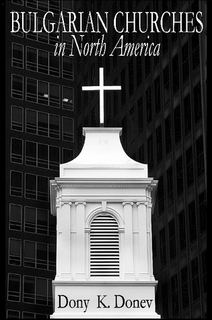
This book should have been published seven years ago in 2013. Its original subtitle was going to read “7 Years in Bulgaria.” Instead, it took seven years to finish it with all documents, research archives and new cases. Now, it is finally here and it finally reads like a story – not just choppy interviews, deposition documented testimonies or court records, but a story of struggle, strength and solitude. A story of life and a story of us.
1995-96 The establishing of the first Bulgarian Church of God in Chicago and its first split
2000-01 The contracted building of the ministry center for the Central Church of God in Sofia
2002-03 The church split in Southaven and what followed next
2005-06 The post-communist split of the Bulgarian Church of God and consecutive sub-denominations
2010-13 The social media network that cost us millions (of souls)
2016 The vote that forced to kill a church
2019-20 The sale of the ministry center for the Central Church of God in Bulgaria
READ: CONFESSIONS of a Pentecostal Preacher
CONFESSIONS of a Pentecostal Preacher
To Mark Alan
We know not why good people have to die,
but we do know we must tell their story…
Chapter I: Beyond the Church and into God
Be without fear in the face of your enemies.
Be brave and upright that God may love thee.
Speak the truth always, even if it leads to your death.
Safeguard the helpless and do no wrong.
That is your oath.
~Kingdom of Heaven (2005)
Separation of church from politics of false religiosity
The phone rang heavy and long. It was 4 AM in Bulgaria, but I was already up. A friend on the other end of the line was calling from South Carolina with a warning of some bad situation. The following morning, I was going to be contacted by the Director questioning why we were ministering in churches outside of our denomination.
The truth was we had ministered in some 300 local churches across the Balkan country of Bulgaria crossing all denominational boundaries and gathering youth from just about every confession. God had used us not only to reach and minister and to lead, but to step into an untouched spiritual realm, to undertake an unfamiliar ministry paradigm and to approach a brand new dimension of reality where He was to be the center of it all. And we had obeyed without questions. Now it was time to pay the price!
* * *
Our denomination, the one to which I remain both critically loyal and loyally critical, spreads over some five generations. Through its century old existence, the struggles and tension between theology and praxis has been in the center. And there, in the very essence of Pentecostalism itself, while some are always celebrating and being celebrated in the office or temple, others are always pushed in the periphery of normal life, hidden from the world behind closed doors and seeking a much deeper experience with God.
These modern day mystics are not only forgotten, but often forbidden. For their riot for righteousness cannot be conceived, contained and controlled by the religious norms of organized officiality. They speak as prophets to a world they so fervently try to escape from, about a reality that does not exist in the normal believer’s mindset. A stage of spirituality that cannot be preached without being lived in the social existence. And a relationship of God that goes far beyond common relationism and into God himself. That God, Who does not abide in offices and temples, but on the cross outside of the city walls…
But I knew nothing of this until that cold winter morning when the phone rang through darkness of the night. Knowing what is coming, rarely changes what we have done to get here.
7 Years in Bulgaria: CONFESSIONS of a Pentecostal Preacher
by Dony K. Donev, D.Min.
Upcoming Releases for United States (October, 2020)
30 Years of Miracles: 2001
Week 7 of Mission BULGARIA 2001 (September 30 – October 6, 2001 – Sofia, BULGARIA)
We had two meetings in Varna – on Saturday night in the largest auditorium in the city and on Sunday morning in the Evangelical Pentecostal Church in town. More than 3,000 attended. The Lord touched us all, as the Gospel was preached. Many were healed and testified in the services.
Week 8 of Mission BULGARIA 2001 (Week 8 – October 7-13, 2001 – Sofia, BULGARIA)
On Saturday we had two meetings in the largest auditorium in Bulgaria at the National Palace of Culture. More than 7,000 attended as people came with buses from their local churches. More than 150 Church of God congregations were represented, as many of the visitors were from other denominations as well. We preached, prayed worshiped and ministered to the people throughout the whole day, as the Lord confirmed his Word with miracles and healings. The services continued on Sunday as well. At the later service some 300 men, women and children gave their lives to Christ. More than 40 people testified that they have been healed since we started the series of crusades four weeks ago. The most amazing fact is that God touched children who testified of their healing.
Week 9 of Mission BULGARIA 2001 (Week 9 – October 13-20, 2001 – Sofia, BULGARIA)
My further work has daily included a few hours as coordinator at the Bulgarian Church of God Headquarters in Sofia and the participation of the last four crusades organized in the cities of Lom, Samokov, Varna and Sofia. The numbers total to more than 300 saved and 40 healed.
Week 14 of Mission BULGARIA 2001 (Week 14 November 17-24, 2001 Sofia, BULGARIA)
I had to take a trip to my hometown Yambol this week to check on the ministry of the mission team there and to renew my driver’s license. On the way back to Sofia on Friday, we stopped at a town called Sliven nearby Yambol. As mother and I walked in the street a lady in her mid 40s stopped us and asked if we recognized her. I did not, but mother did and even remembered her name, Maria. Maria attended the church in Yambol a few years ago when I served as an associate pastor there. She had a large tumor-like mass in her back and the doctors urged her to let them operate. In one on the services, she said, I prayed for her and the Lord healed her. As she went back to the doctors a few weeks later, they could not find even a trace of a tumor or cancer formation.
Week 15 of Mission BULGARIA 2001 (November 25 – December 1, 2001 – Sofia, BULGARIA)
This past Wednesday night (November 28) we had the best church service since I have come back. About 150 were present and I preached on Revelation chapters 14 and 15. The text finished with the passage about the glory of God. Then God touched us. At the altars people were crying everywhere, kneeling and falling on their faces. Four were healed – one from severe headache, one from pain in the kidneys, one from heart problems and one from pain in the lower back. I praise the Lord for all these and expect even more reports.
This book should have been published seven years ago in 2013. Its original subtitle was going to read “7 Years in Bulgaria.” Instead, it took seven years to finish it with all documents, research archives and new cases. Now, it is finally here and it finally reads like a story – not just choppy interviews, deposition documented testimonies or court records, but a story of struggle, strength and solitude. A story of life and a story of us.
1995-96 The establishing of the first Bulgarian Church of God in Chicago and its first split
2000-01 The contracted building of the ministry center for the Central Church of God in Sofia
2002-03 The church split in Southaven and what followed next
2005-06 The post-communist split of the Bulgarian Church of God and consecutive sub-denominations
2010-13 The social media network that cost us millions (of souls)
2016 The vote that forced to kill a church
2019-20 The sale of the ministry center for the Central Church of God in Bulgaria
READ: CONFESSIONS of a Pentecostal Preacher
CONFESSIONS of a Pentecostal Preacher
To Mark Alan
We know not why good people have to die,
but we do know we must tell their story…
Chapter I: Beyond the Church and into God
Be without fear in the face of your enemies.
Be brave and upright that God may love thee.
Speak the truth always, even if it leads to your death.
Safeguard the helpless and do no wrong.
That is your oath.
~Kingdom of Heaven (2005)
Separation of church from politics of false religiosity
The phone rang heavy and long. It was 4 AM in Bulgaria, but I was already up. A friend on the other end of the line was calling from South Carolina with a warning of some bad situation. The following morning, I was going to be contacted by the Director questioning why we were ministering in churches outside of our denomination.
The truth was we had ministered in some 300 local churches across the Balkan country of Bulgaria crossing all denominational boundaries and gathering youth from just about every confession. God had used us not only to reach and minister and to lead, but to step into an untouched spiritual realm, to undertake an unfamiliar ministry paradigm and to approach a brand new dimension of reality where He was to be the center of it all. And we had obeyed without questions. Now it was time to pay the price!
* * *
Our denomination, the one to which I remain both critically loyal and loyally critical, spreads over some five generations. Through its century old existence, the struggles and tension between theology and praxis has been in the center. And there, in the very essence of Pentecostalism itself, while some are always celebrating and being celebrated in the office or temple, others are always pushed in the periphery of normal life, hidden from the world behind closed doors and seeking a much deeper experience with God.
These modern day mystics are not only forgotten, but often forbidden. For their riot for righteousness cannot be conceived, contained and controlled by the religious norms of organized officiality. They speak as prophets to a world they so fervently try to escape from, about a reality that does not exist in the normal believer’s mindset. A stage of spirituality that cannot be preached without being lived in the social existence. And a relationship of God that goes far beyond common relationism and into God himself. That God, Who does not abide in offices and temples, but on the cross outside of the city walls…
But I knew nothing of this until that cold winter morning when the phone rang through darkness of the night. Knowing what is coming, rarely changes what we have done to get here.
7 Years in Bulgaria: CONFESSIONS of a Pentecostal Preacher
by Dony K. Donev, D.Min.
Upcoming Releases for United States (October, 2020)
I was called … Celebrating 30 Years of Global Ministry
During the month of September, our ministry is celebrating 30 years in Global Harvest. I was saved in my hometown of Yambol Bulgaria on August 9, 1990 and baptized with the Holy Spirit seven days later. In two weeks time, God called me to preach and I preached my first sermon one Friday night in September at the Church of God in the mountain town of Pravetz, Bulgaria where a small group of Pentecostal believers had kept the faith during the long years of the Communist Regime. At that time, Pravetz was known as a stronghold of Communism where the Communist president who ruled Bulgaria for 36 years was born. Many, including school officials, did not receive our faith and openly tried to suppress its expression. All night prayer meetings were a weekly event, and chain fasting almost never stopped. The Bulgarian Church of God was still underground.
Only 14 were present at the meeting as I preached from Genesis chapter 14. Little I knew that just a few short months later, the youth group of the church would count over 100 strong and growing, and with the Berlin Wall now fallen revival was on the way. That night in Pravetz Bulgaria I just preached a sermon from the Word. That same Word, which God still claims cannot return void. For Revival must go on …
Now 30 years later, the time to tell the story has finally come!
This book should have been published seven years ago in 2013. Its original subtitle was going to read “7 Years in Bulgaria.” Instead, it took seven years to finish it with all documents, research archives and new cases. Now, it is finally here and it finally reads like a story – not just choppy interviews, deposition documented testimonies or court records, but a story of struggle, strength and solitude. A story of life and a story of us.
1995-96 The establishing of the first Bulgarian Church of God in Chicago and its first split
2000-01 The contracted building of the ministry center for the Central Church of God in Sofia
2002-03 The church split in Southaven and what followed next
2005-06 The post-communist split of the Bulgarian Church of God and consecutive sub-denominations
2010-13 The social media network that cost us millions (of souls)
2016 The vote that forced to kill a church
2019-20 The sale of the ministry center for the Central Church of God in Bulgaria
READ: CONFESSIONS of a Pentecostal Preacher
30 Years after Communism…
The Fall of the Berlin Wall was on the evening of November 9, 1989
30 years in 60 seconds at the red-light…
I’m driving slowly in the dark and raining streets of my home town passing through clouds of car smoke. The gypsy ghetto in the outskirts of town is covered with the fog of fires made out of old tires burning in the yards. And the loud music adds that grotesque and gothic nuance to the whole picture with poorly clothed children dancing around the burnings.
The first red light stops me at the entrance to the “more civilized” part of the city. The bright counter right next to it slowly moves through the long 60 seconds while tiredly walking people pass through the intersection to go home and escape the cold rain. The street ahead of me is already covered with dirt and thickening layer of sleet.
This is how I remember Bulgaria of my youth and it seems like nothing has changed in the past 30 years.
The newly elected government just announced its coalition cabinet – next to a dozen like it that had failed in the past two decades. The gas price is holding firmly at $6/gal. and the price of electricity just increased by 10%, while the harsh winter is already knocking at the doors of poor Bulgarian households. A major bank is in collapse threatening to take down the national banking system and create a new crisis much like in Greece. These are the same factors that caused Bulgaria’s major inflation in 1993 and then hyperinflation in 1996-97.
What’s next? Another winter and again a hard one!
Ex-secret police agents are in all three of the coalition parties forming the current government. The ultra nationalistic party called “ATTACK” and the Muslim ethnic minorities party DPS are out for now, but awaiting their move as opposition in the future parliament. At the same time, the new-old prime minister (now in his second term) is already calling for yet another early parliamentarian election in the summer. This is only months after the previous elections in October, 2014 and two years after the ones before them on May 2013.
Every Bulgarian government in the past 30 years has focused on two rather mechanical goals: cardinal socio-economical reforms and battle against communism. The latter is simply unachievable without deep reformative change within the Bulgarian post-communist mentality. The purpose of any reform should be to do exactly that. Instead, what is always changing is the outwardness of the country. The change is only mechanical, but never organic within the country’s heart.
Bulgaria’s mechanical reforms in the past quarter of a century have proven to be only conditional, but never improving the conditions of living. The wellbeing of the individual and the pursuit of happiness, thou much spoken about, are never reached for they never start with the desire to change within the person. For this reason, millions of Bulgarians and their children today work abroad, pursuing another life for another generation.
The stop light in front of me turns green bidding the question where to go next. Every Bulgarian today must make a choice! Or we’ll be still here at the red light in another 30 years from now…
The Great Decline of religion in 60 years
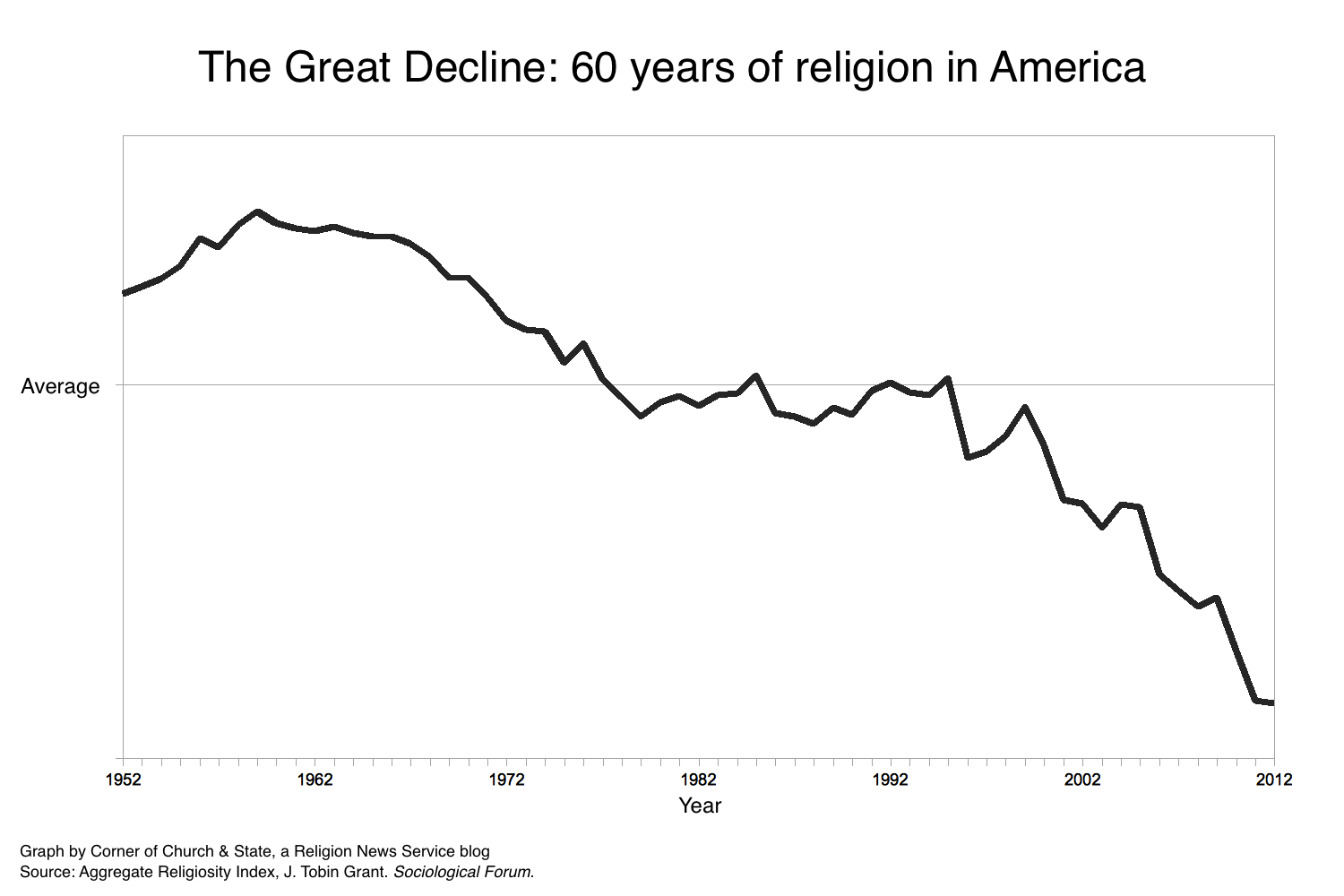
Religiosity index shows the changes in religious activity in the United States.
Religiosity in the United States is in the midst of what might be called ‘The Great Decline.’ Previous declines in religion pale in comparison. Over the past fifteen years, the drop in religiosity has been twice as great as the decline of the 1960s and 1970s.
How do we track this massive change in American religion? We start with information from rigorous, scientific surveys on worship service attendance, membership in congregations, prayer, and feelings toward religion. We then use a computer algorithm to track over 400 survey results over the past 60 years. The result is one measure that charts changes to religiosity through the years. (You can see all the details here).
The graph of this index tells the story of the rise and fall of religious activity. During the post-war, baby-booming 1950s, there was a revival of religion. Indeed, some at the time considered it a third great awakening. Then came the societal changes of the 1960s, which included a questioning of religious institutions. The resulting decline in religion stopped by the end of the 1970s, when religiosity remained steady. Over the past fifteen years, however, religion has once again declined. But this decline is much sharper than the decline of 1960s and 1970s. Church attendance and prayer is less frequent. The number of people with no religion is growing. Fewer people say that religion is an important part of their lives. All measures point to the same drop in religion: If the 1950s were another Great Awakening, this is the Great Decline.
90 Years Ago Pastor Nicholas Nikolov Established the Pentecostal Union of Bulgaria
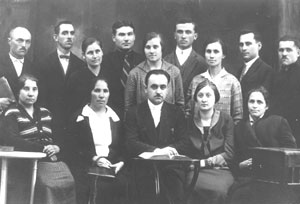 By the fall of 1927 the Pentecostal revival from Bourgas extended to several outreaches. Appropriate recognition was given by the General Council of the Assemblies of God in their September, 1927 meeting. The Latter Rain Evangel also reported revival in Bulgaria, workers trained at the Bible School and a good number saved and baptized with the Holy Spirit.
With this avid success and the arrival of Nikolov’s first-born son on November 9, 1927 came the second attempt to unite Bulgarian Pentecostals. A preliminary meeting was held in February of 1928 in Rouse where the Union’s establishing meeting was scheduled for March 28 in Bourgas.
To no surprise, only 14 delegates representing five congregations attended. The delegates voted and received the Union’s by-laws and statement of faith, based on the same documents by the Assemblies of God in America. The first annual conference of the new Union followed in October in Varna. A national General Council was set and the Executive Committee was chaired by Pastor Nikolov – at the time of his appointment he was only 28 years of age.
Trained in the United States and familiar with the Assemblies of God structure, Nikolov purposed to replicate the same organization in Bulgaria. Unfortunately, most Bulgarian Pentecostals in 1928 did not have a clear perception of the Assemblies of God and hardly felt part of the denomination. With only 20 members, the new organization was a small minority and did not represent the vast diversity within Bulgarian Pentecostalism at the time. Neither did it cause the split among Bulgarian Pentecostals as often held. The official registration of the Pentecostal Union simply confirmed the deepening division among Pentecostals in Bulgaria that had taken place since Zaplishny was deported in 1924.
Bibliata.com celebrates 20 years in ministry by reading through the whole New Testament in one day
After a week of revival services in Rousse, on Saturday we held a public reading of the New Testament in about nine hours with the whole congregation. We recorded and published the video of the reading as an encouragement for the rest of the churches.
110 Years Ago the First Bulgarian Mission in Chicago was Started
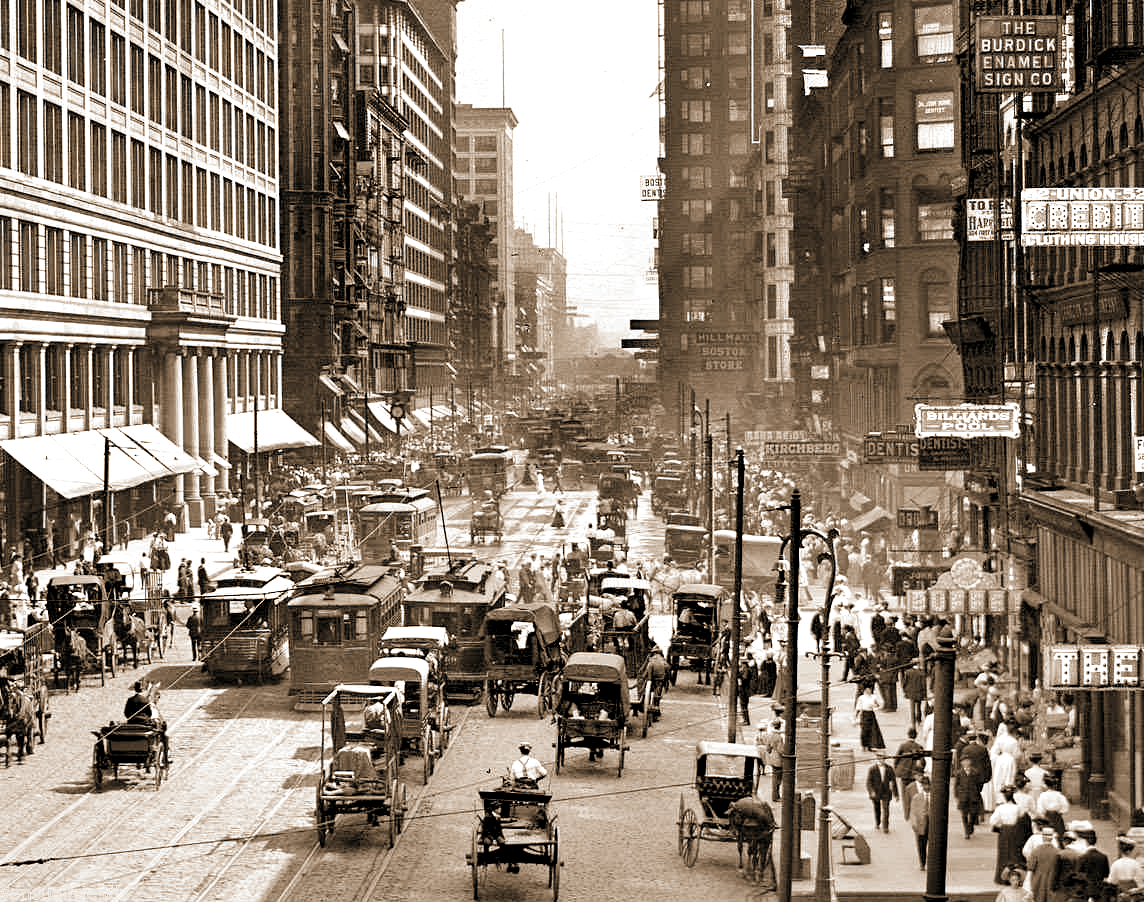
 In May 1907, sponsored by the Chicago Tract Society, Petko Vasilev opened the Bulgarian Christian House in Chicago. The facilities had beds and a kitchen and served as a hotel and a shelter for new immigrants. In 1908, the name was changed to Bulgarian Christian Society and later was relocated several times.
A second similar work was started at the same time by Daniel Protoff called the Russian Christian Mission. Located in Chicago, it supported church services and a Bible school. In 1909, the City Missionary Society called Basil Keusseff to lead the mission. Keusseff was a Bulgarian born minister who was converted in Romania and was a graduate of the school in Samokov and Cliff College in Sheffield, England. In the 1890s, Keusseff pastored the Baptist church in Lom and then moved to Pittsburgh where he worked with Robert Bamber, pastor of the Turtle Creek Christian Church. The mission ministered to Russian, Bulgarian, Serbian, Croatian, Macedonian and Turkish minorities.
Around 1910, the ministry of the Bulgarian Christian Society was aided by Reverend Paul Mishkoff, a student at Moody Bible Institute. Coming from a poor but strong Protestant family, Mishkoff was called to preach at a very early age. He studied in the school at Samokov and was often sent to preach in the nearby villages. After finishing the school, Mishkoff decided to come and study at the Moody Bible Institute. He was helped by a Methodist missionary who gave him four dollars – the price of a third-class ticket from Sofia to New York where he was put on the immigrant’s train to Chicago. He was denied admission to Moody with the explanation that there was neither room nor funds for him. With no job and no money, the young preacher had to find food at the saloons where it was offered free for ones who drank. During his struggles, Mishkoff had lost all his possessions except a pocket size New Testament. In his personal story, he recalled, “But I had the copy of the Bulgarian Testament in my pocket not only to keep it, but to read it when I was sitting on the benches of the Union Station and other public places night after night. My soul was wakened anew. An ambition was roused in me: I must prepare myself for a preacher any way.” Through a financial miracle, Mishkoff was eventually able to graduate from the Moody Bible Institute. During the course of his studies, he was supported by Chicago Tract Society and he was able to minister to the 5,000 Bulgarians living in Chicago.
Also in 1910, the Bulgarian Christian Society established a library which served the Bulgarian community for over twenty years. The congregation of the mission numbered about fifty. The ministry included English classes and immigration law seminars. Several changes in the leadership of the mission began in 1921. In 1924, the mission was headed by Zaprian Vidoloff and the mission was renamed the Bulgarian Christian Mission. Vidoloff was a graduate of the Samokov School in 1910, a student of philosophy at the University of Sofia and a graduate of Union Theological College in Chicago. He entered pastoral ministry in 1915 and later served as the secretary of the Baptist Union. At the same time, he was secretary of the Bulgarian legation in Washington, D.C. from 1921 to 1923.
All Bulgarian religious organizations initiated by evangelicals before 1930 existed as missions. In February 1932, the First Bulgarian Church pastored by Joseph Hristov was started in Chicago.
How to Start a Bulgarian Church in America from A-to-Z
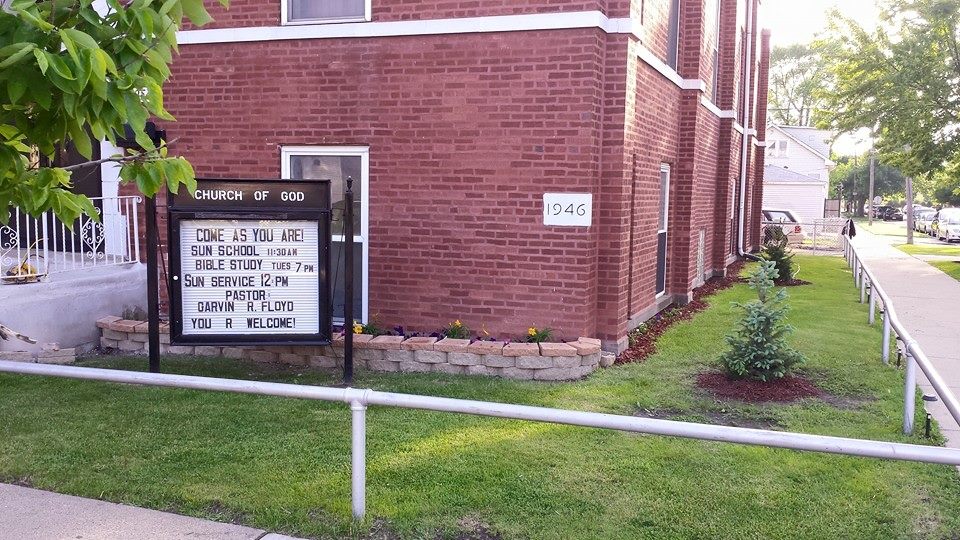
Chicago’s Narragansett Church of God Celebrates 70 Years
Rev. James Slay of the Narragansett Church of God in Chicago was commissioned to write the book entitled, THIS WE BELIEVE in connection to the 1948 Church of God Declaration of Faith. During the forties, you could see him driving around Cleveland in a white and green Packard. His hair was much longer then and somewhat wavy. Later, he was heard preaching a sermon at the Narragansett Church of God in Chicago a sermon titled: “God setteth the door ajar and flings it wide open when necessary.”
On August 30, 1948, the Church of God General Assembly adopted the Church of God Declaration of Faith. Rev. James L. Slay was the chair of the committee that drafted the 14 item statement. Along with its adoption, the Assembly also recommended: “That the same Articles of Faith Committee, consisting of James L. Slay, Earl P. Paulk, Glenn C. Pettyjohn, J.L. Goins, J.A. Cross, Paul H. Walker, R.P. Johnson, E.M. Ellis, and R.C. Muncy, prepare a full document of the ‘Articles of Faith of the Church of God,’ to be presented for acceptance at the next General Assembly of the Church of God.” Despite the General Assembly recommendation, the Declaration of Faith has not been modified since its adoption in 1948.
Ocoee Church of God Celebrates 40 Years
 Historical Significance of the Tennessee/Georgia Old Federal Road in the Trail of Tears and its Connection to the Church of God
New Echota, Georgia was the capital of the Cherokee Nation from 1825 to 1838. This is the location where the Treaty of New Echota or the Treaty of 1835 was signed on December 29, 1835 by U.S. government officials and representatives of a minority Cherokee political faction called “The Treaty Party” or “Ridge Party”. This treaty was not approved by the Cherokee National Council nor signed by Principal Chief John Ross. Regardless, it established terms under which the Cherokee Nation were to receive a sum not exceeding five millions dollars for surrendering their lands and possessions east of the Mississippi river to the U.S. Government and agreeing to move to the Indian Territory west of the Mississippi River, which later became part of Oklahoma.
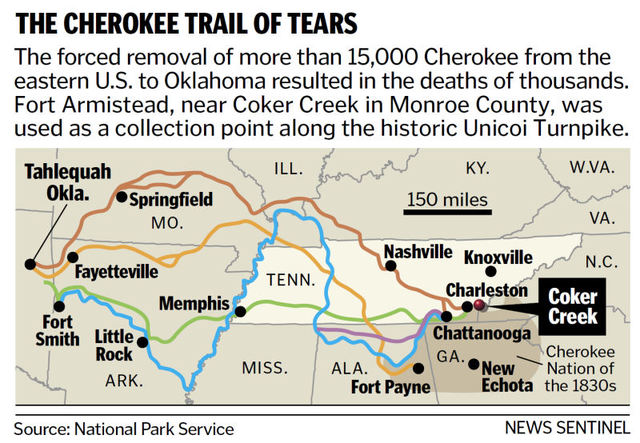
The Red Clay State Historic Park, located 17 miles southwest of the Church of God Headquarter in Cleveland, Tennessee, marks the last location of the Cherokee councils where Chief John Ross and nearly 15,000 Cherokees rejected the proposed Treaty of 1835. Despite the questionable legitimacy of this Treaty, in March 1838, it was amended and ratified by the U.S. Senate and became the legal basis for the forcible removal of the Cherokee Nation known as the Trail of Tears. The name came from the Cherokees who called the removal “Nunna-da-ul-tsun-yi,” which means “the place where they cried.” The last pieces of land controlled by the Cherokee Nation at that time were North Georgia, Northern Alabama and parts of Tennessee and North Carolina. The forced journey was through three major land routes. Each route could have taken some 1,000 miles and over four months to walk. The removal of the Cherokees and other tribes from their homelands in the Southeast began May 16, 1838.
The Georgia Road or present day Federal Road was a route of the Trail of Tears that the Cherokee people walked during their forced removal from their homelands. The route was built from 1803 to 1805 through the newly formed Cherokee Nation on a land concession secured with the 1805 Treaty of Tellico with the agreement that the U.S. Government would pay the Cherokee Nation $1,600.00. The Treaty was signed on October 25, 1805 at The Tellico Blockhouse (1794 – 1807) – an early American outpost located along the Little Tennessee River in Vonore, Monroe County, Tennessee that functioned as the location of official liaisons between the United States government and the Cherokee. The route was originally purposed to be a mail route because of the great need to link the expanding settlements during the westward expansion of the U.S. colonies. It was in 1819 after improvements to the road that it was called “the Federal Road”.
The Tellico Blockhouse was the starting point for the Old Federal Road, which connected Knoxville to Cherokee settlements in Georgia. The route ran from Niles Ferry on the Little Tennessee River near the present day U.S. Highway 411 Bridge, southward into Georgia. Starting from the Niles Ferry Crossing of the Little Tennessee River, near the U.S. Highway 411 bridge, the road went straight to a point about two miles east of the present town of Madisonville, Tennessee. This location is 20 some miles north of the Tellico Plains area that marks the site of the beginning of the Church Cleveland, Tennessee. The road continued southward via the Federal Trail connecting to the North Old Tellico Highway past the present site of Coltharp School, intersected Tennessee Highway 68 for a short distance and passed the site of the Nonaberg Church. East of Englewood, Tennessee it continued on the east side of McMinn Central High School and crossed Highway 411 near the railroad overpass. Along the west side of Etowah, the road continued near Cog Hill and the Hiwassee River near the mouth of Conasauga Creek where there was a ferry near the site of the John Hildebrand Mill. From the ferry on the Hiwassee River the road ran through the site of the present Benton, Tennessee courthouse. It continued on Welcome Valley Road and then crossed the Ocoee River at the Hildebrand Landing. From this point the road ran south and crossed U.S. Highway 64 where there is now the River Hills Church of God formerly the Ocoee Church of God. Continuing south near Old Fort, the route crossed U.S. Highway 411 and came to the Conasauga River at McNair Landing. Near the south end of the village of Tennga, Georgia is an historic marker alongside of Highway 411m which states the Old Federal Road was close to its path for the next twenty-five miles southward. It would have been at this point in Tennga that the Trail of Tears would have taken a turn onto GA-2 passing the Praters Mill near Dalton Georgia to connect in Chattanooga, Tennessee.
Out of the 15,000 Cherokee who endured the forced migration west after the Treaty of 1835, it is estimated that several thousand died along the way or in internment holding camps. This Old Federal route is where some of Cherokee holding camps would have been located. The Fort Marr or Fort Marrow military post constructed around 1814 under the 1803 Treaty, is the last visible remains of these camps. The original fort was built on the Old Federal Road near the Tennessee/Georgia state line near the Conasauga River. It was relocated in 1965 beside U.S. Hwy. 411 in Benton and then to it’s current location in the Cherokee National Forest on the grounds of the Hiwassee/Ocoee State Park Ranger Station at Gee Creek Campground in Delano, Tennessee. This location provides access to popular Church of God water baptismal sites. In June 4, 1838 Captain Marrow reported having 256 Cherokees at his fort ready for emigration.
The Native Americans were forcefully removed from their homes, plantations and farms all because of greed. Thousands of people lost their lives including the wife of Chief John Ross. Parts of the Old Federal Road have been washed away with floods of tears, but there are parts that still remain. The Church of God, having its roots in the same territory of the Cherokee, Chickamauga, Muskogee Creek, Choctaw and Chickasaw people, plays a vital role in the process of reconciliation among the descendants of the Trail of Tears. And the historical buildings and markers along the Trail or Tears must be preserved. The churches along the route even though they were not actual structures during the time period are a historical beacon of hope which still crying out for those lost on this tragic journey.
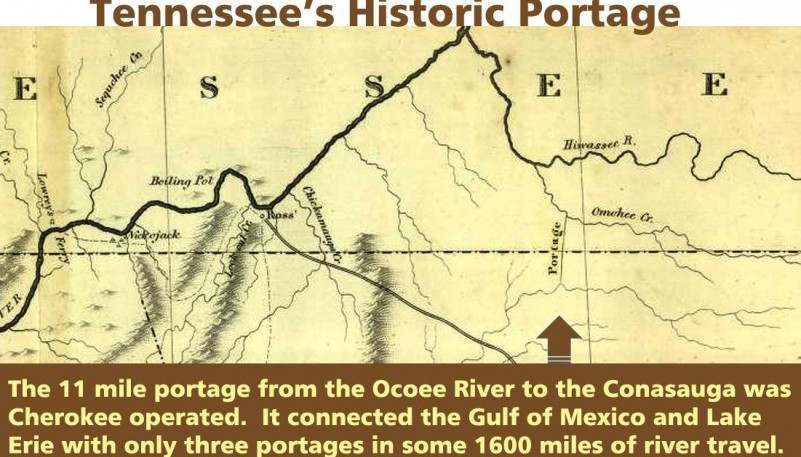
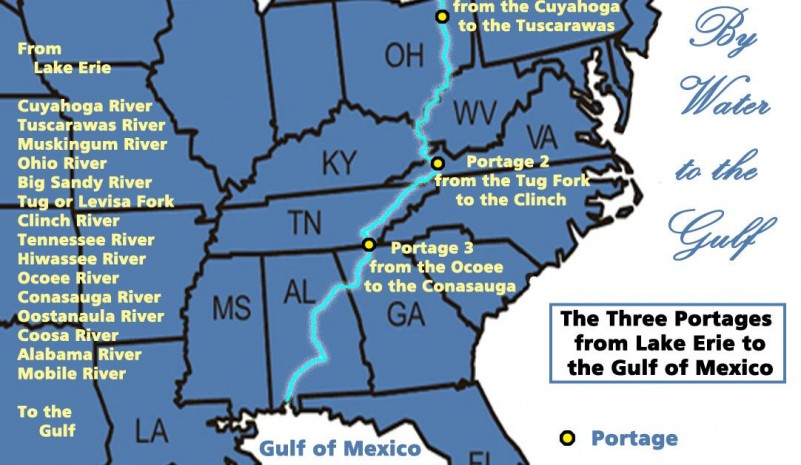
Famous boatyards near Benton, Tennessee and nearby Spring Place, Georgia were operated by the Cherokee Hildebrand and McNair families respectively. These were opposite ends of a portage of very long importance in eastern North America. The eleven mile canoe portage or, latter, a wagon transport portage, between the upper reaches of the Ocoee River in Tennessee and the Conasauga River in Georgia, provided one of the most significant “shortcuts” in the East.