National Training for Ministers in Rouse
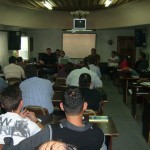
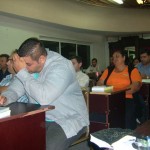
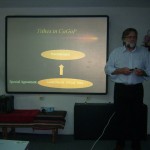
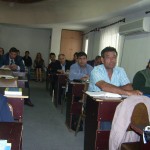
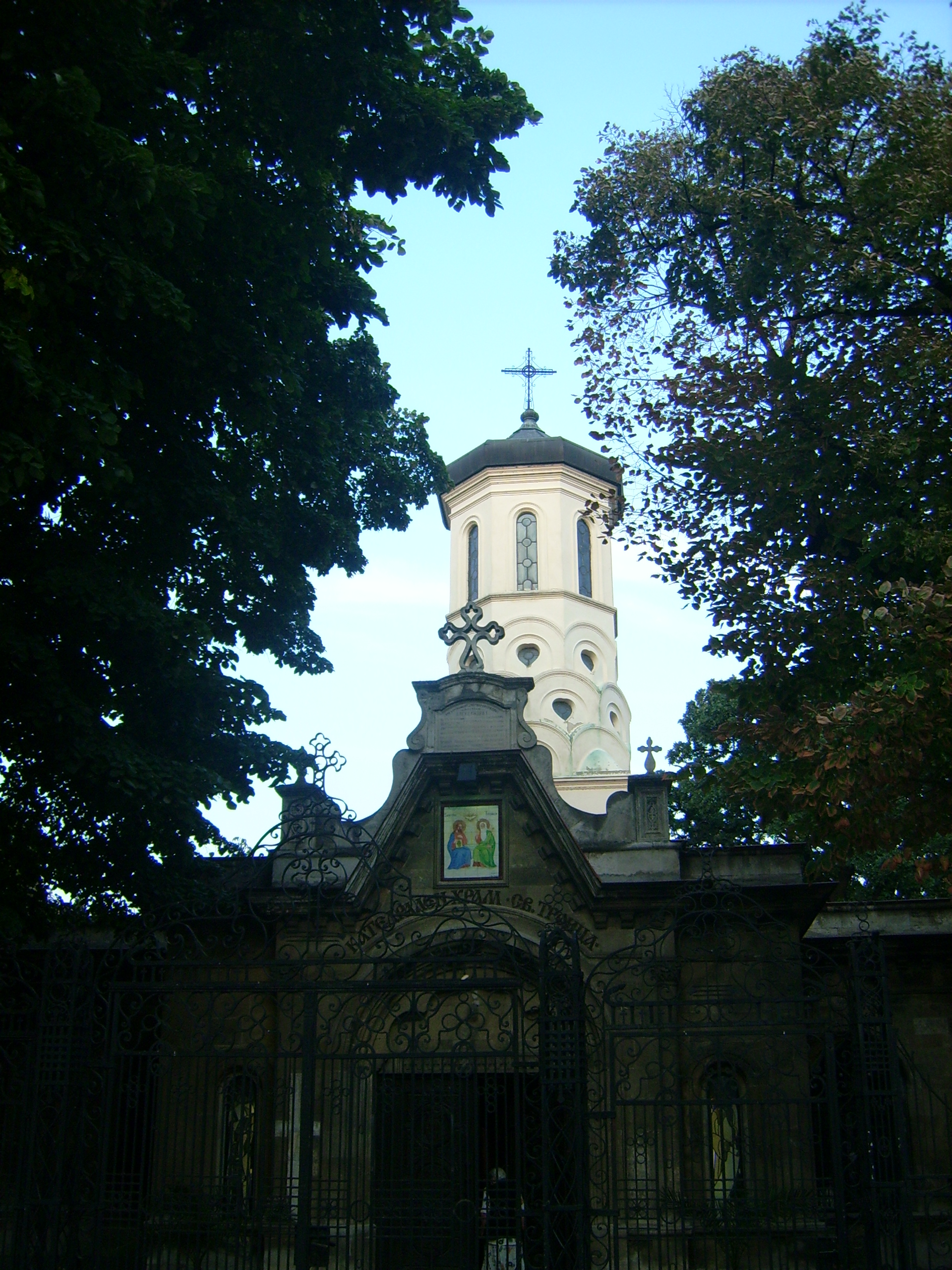
Church of God Regional Seminar
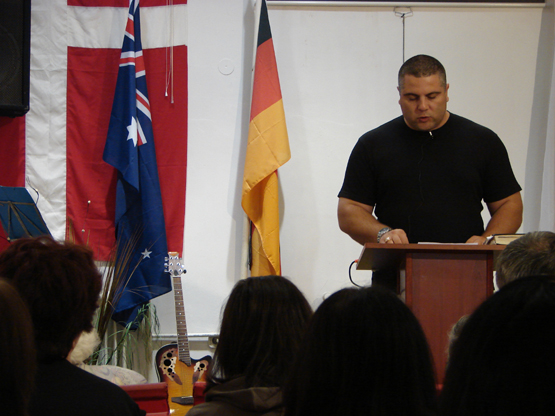
One of the fastest growing regions within the Bulgarian Church of God has been the Central Gabrovo region led by Bishop Vasil Petrov. The mother church in Gabrovo has become a dynamic congregation, operating in the gifts of the Spirit and active evangelism with a strategy that has resulted in a regional revival. Two more congregations were established in years past in the close-by cities of Sevlievo and the Old Bulgarian capital Veliko Tarnovo. We have been privileged to be a part of this process through regular training seminars and revival services at these churches located in the very center of the country of Bulgaria.
This year our team was invited to conduct a seminar for new believers who have joined the church. Some 25 people joined us on a Saturday to participate in the seminar. Many of them have received Christ, water baptism and joined the church less than a month ago and every topic of doctrine and praxis sparks their interest. We spent the whole day in teaching and answering question after question. Such process might be overwhelming for some, but the years of training and preaching are always helpful in persevering and fulfilling Christ’s Great Commission to make disciples among the nations.
Sunday after the seminar we held two services with the churches in Gabrovo and in Veliko Tarnovo. The morning service turned rather prophetic as a word for the condition of the church and the people was rightly delivered and promptly received. The afternoon service at the Charisma Church of God in Tarnovo had more of an evangelistic approach, as it also reached a world wide audience via the internet.
Overall, Bishop Vasil Petrov and his team have made great use of the limited resources in the budget, buildings and media they have in their possession to execute with great effectiveness a regional ministry that can serve as a model within our Church of God denomination. Both services were broadcasted LIVE via our websites, which brought a great deal of response from viewers in Bulgaria and abroad, and set the stage for the Tuesday night evangelism program which the Gabrovo church holds LIVE on the internet. This was their 52nd broadcast marking one year from its conception, and it was our privilege to host the program, giving an opportunity to the regular host, Bishop Vasil Petrov, to be the guest of honor.
90 Years of Bulgarian Pentecostalism
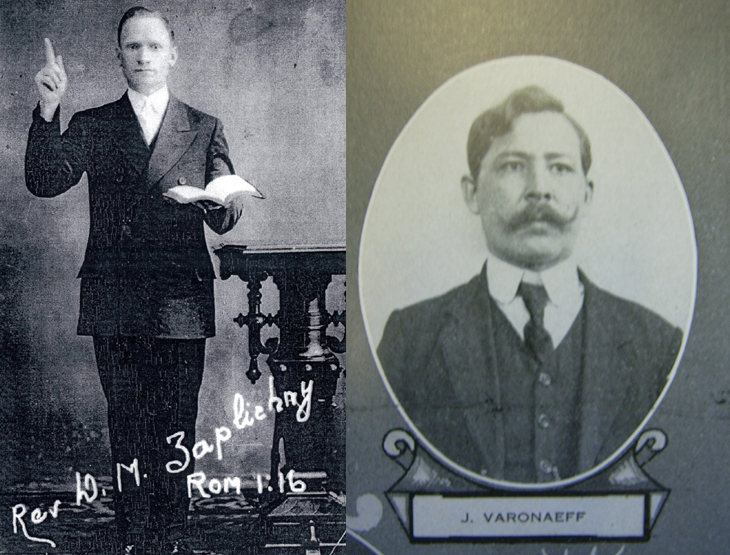 Bulgarian Pentecostal believers celebrate 90 years of ministry and history. The Bulgarian Pentecostal movement is rooted in the Azusa street holiness Pentecostal revival which began in April of 1906. The revival then spread through the United States and less than a decade later, large Pentecostal denominations as the Church of God and the Assemblies of God were formed embracing the vision to send missionaries to foreign lands.
After establishing contact with the World Missions Department of the Assemblies of God at the end of 1919, Cossack born immigrant, who later took on Ukrainian citizenship, Ivan Voronaev received a calling to return to his motherland and preach the message of Pentecost there. Alongside him traveled the family of Ukrainian immigrant Dionissey Zaplishny and his Bulgarian born wife Olga, who like Voronaev left the church they pastored in the United States to obey the call to missions.
On March 10, 1920, Assemblies of God issued Voronaev a certificate as a “pastor and evangelist in Bulgaria” valid till September 1, 1921 and on June 22, 1920 Voronaev notified them his plans to set sail for Russia with his family on July 13, 1920. On the said date, the Voronaev, Koltovitch and Zaplishny’s families set sail on the “Madonna” steamboat from New York to Constantinople. Along with them traveled a group of Kavkaz believers among which was Bulgarian Boris Klibok.
After arriving to Constantinople, they had to wait for visas to enter Russia. Voronaev immediately began meeting with the Russian community in town recognizing the lack of Russian Bibles and Pentecostal churches. He wrote on August 15, 1920: „ ….with the help of God opened Russian mission here [Constantinople], and God our work blessed;” and on August 30, 1920: „…. we had first baptism with water in river. I baptized one lady wife of a Russian office. Glory to Jesus!”
After waiting for three months in Constantinople, Voronaev arrived in the Bulgarian port city of Bourgas along with Bulgarian Boris Klibok. The Zaplishny family had already established their ministry there through Olga’s Congregational home church. What followed next was a revival that made history.
March 5, 1921: The Pentecostal Evangel published Voronaev’s report from Bulgaria where he has been holding Russian-Bulgarian revival services in various churches in the cities of Sliven, Yambol, Varna and Sofia. Seven received the baptism with the Holy Spirit.
April 16, 1921: The Pentecostal Evangel published Voronaev’s second report from Bulgaria about services in Sliven, Bourgas, Plovdiv and the Baptist Church in Stara Zagora where the daughter of the Baptist pastor from Kazanlak received the baptism with the Holy Spirit.
May 14, 1921: Services in the Congregational Church in Plovdiv and baptismal service in the Martiza River.
June 11, 1921: „In Bourgas, Bulgaria the Lord baptized with the Holy Spirit about fourteen souls. We have about twenty candidates for baptism with water, and about thousand Bulgarians and Russian were there and were much interested.”
July, 1921: The Latter Rain Evangel published an article under the title “Pentecost in Bulgaria” in which Voronaev wrote about new Pentecostal believers in seven Bulgarian cities, his relocation in Varna to work with the local Methodist church and his plan to move to Odessa. The Pentecostal Evangel from the same month wrote, “God called Brother J.W. Voronaeff, who had charge of a Russian Pentecostal Assembly in New York City, to Russia.”
The early Bulgarian Pentecostals spoke in other tongues, embraced the gifts of the Spirit, practiced foot washing and conservative holiness, and received the Bible as their rule of life almost to the point of ritualistic ascetism. It was their prayer, preaching and serving before the Lord that ensured the future of the movement. Many of them would be forced underground when the Pentecostal Union is registered with the Bulgarian State in 1928. Others will be persecuted even unto death during the Communist Regime after WWII. The more conservative group split right down the middle by two strong leaders, Tinchevists and Borisovtsi would protect the faith to the best of their abilities. Many modern religious formations, among which the Bulgarian Church of God, would spring out from these grassroots of these holiness seeking Pentecostal Puritans. By 1990, after the Berlin Wall had fallen, this group of people will go through the largest evangelistic revival in Bulgaria since the Christianization of Bulgaria in 861AD.
Reclaiming the Roots of the Bulgarian Church of God
 The Bulgarian Church of God started in the 1920s north of the Balkan Mountains as part of the Bulgarian Pentecostal movement. They came to be known as the “northern brethren” and “free churches.” They had received the message of Pentecost under the ministry of first Assemblies of God missionaries to Eastern Europe Zaplishny and Voronaev and kept their faith fervently through the early years of persecutions. The first Church of God members were Holy Ghost baptized, Bible believing believers who walked in the Spirit of prophecy and practiced the supernatural gifts God had given them.
Their theology was conservative and their practices strict. But their prayers could be heard all through the night as they tarried in fervent persistence, testing themselves against the Word in a constant search for the holiness of God in their hearts. And humbled themselves when they had found it, they experienced miracles ever unseen, knew things of matters untold, saw visions no man was allowed to utter and heard from the throne room in glory, from God, receiving the words to be spoken to their generation. Their tears became rivers of life that watered the seed of the Gospel they sowed, and slowly but surely God blessed their work and brought back revival in the soul of the land.
When the Assemblies of God trained and sent Bulgarian born Dr. Nick Nikoloff in 1928 to bring to order the growing Bulgarian Pentecostals, the Church of God people set themselves apart refusing to register with the secular state, thus loosing their legal status and were forced to go underground. But their prayers were still heard in the darkness of persecution. The stories of the gifts they practiced were told and when only a miracle could have answered a need, it was brought to the people who practiced the gifts, who prayed without ceasing and waited on God till He gave the answer from Heaven above.
Some 90 years have passed since these humble beginnings and times have now changed. Now, new things, new people, new orders and such are taking new rule of soul and of life. And slowly but surely the story is forgotten. The glory of old is long gone in the past.
But it is said that in crises, when times are too hard, someone should return to the basics of life, to reclaim the old roots of the faith from the past, and save again people and free them at last. This time is right now … and this chance must not pass.
Bible Ministry Camp 2010
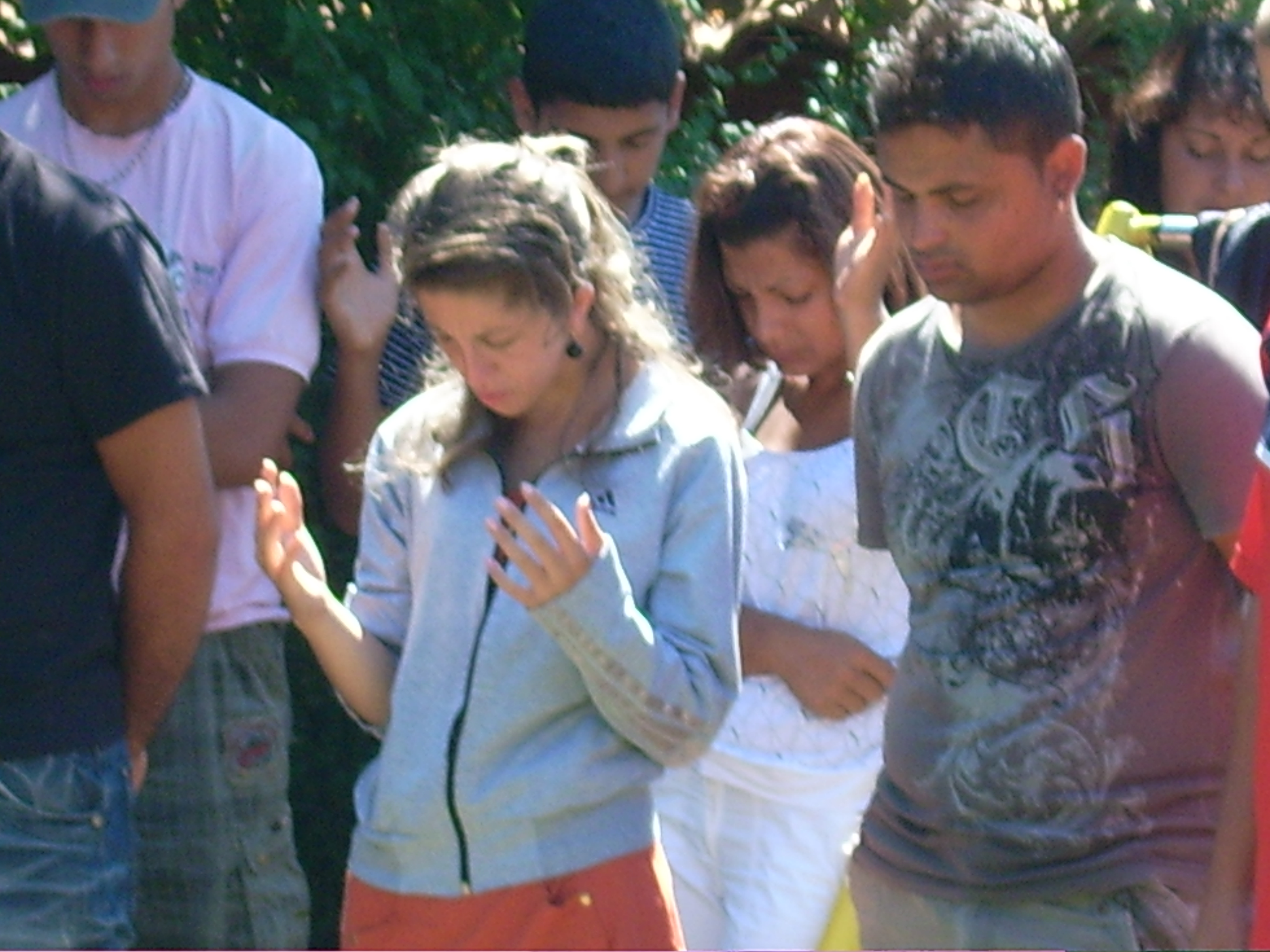
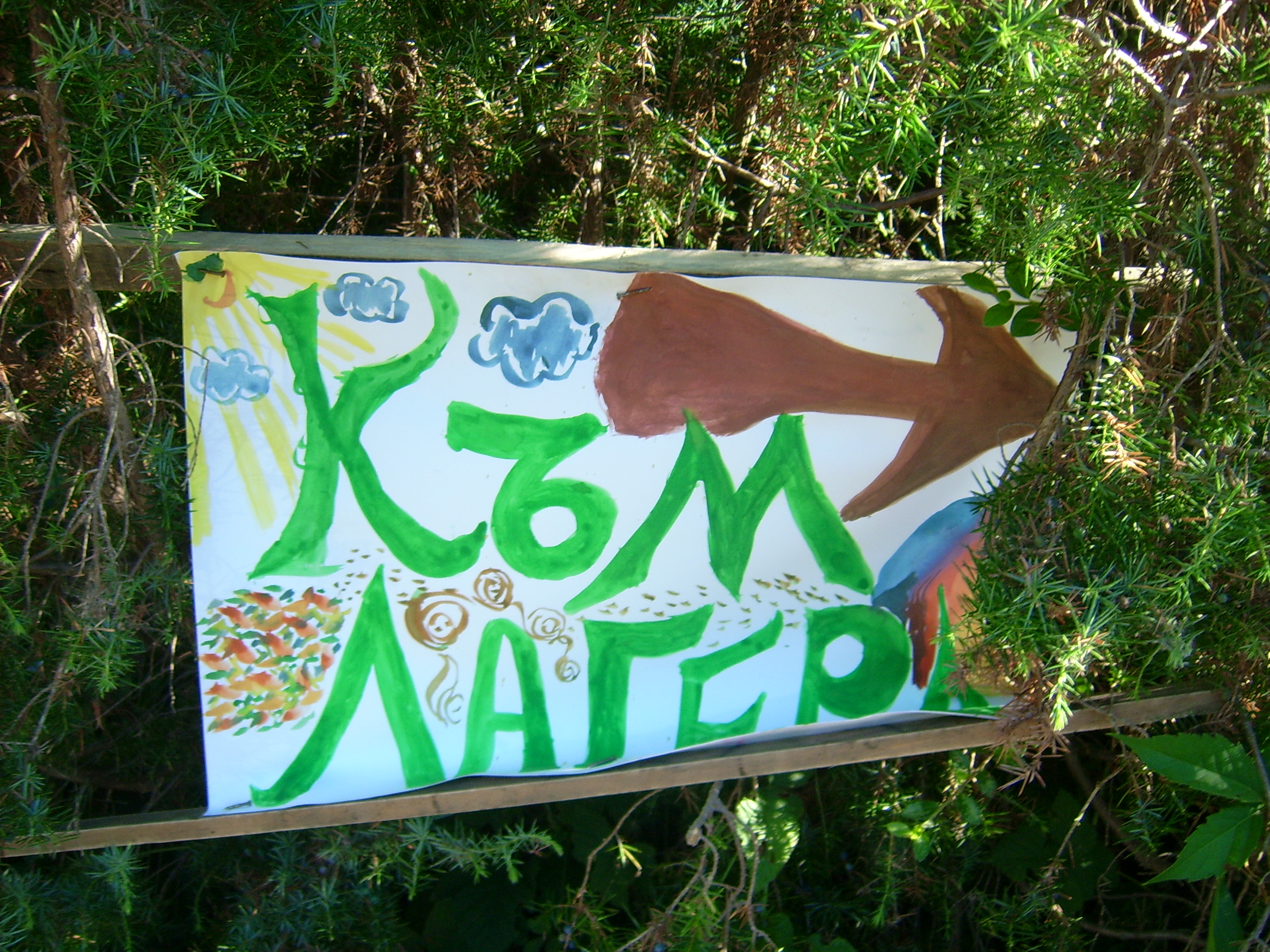

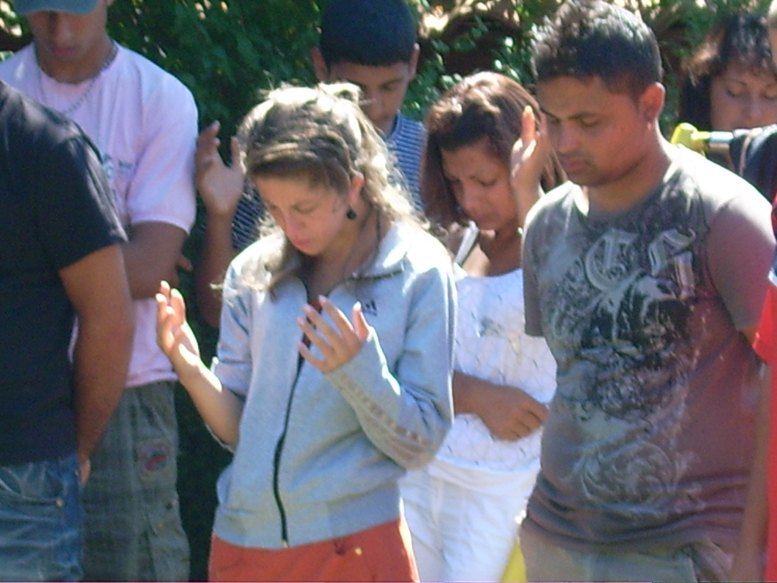
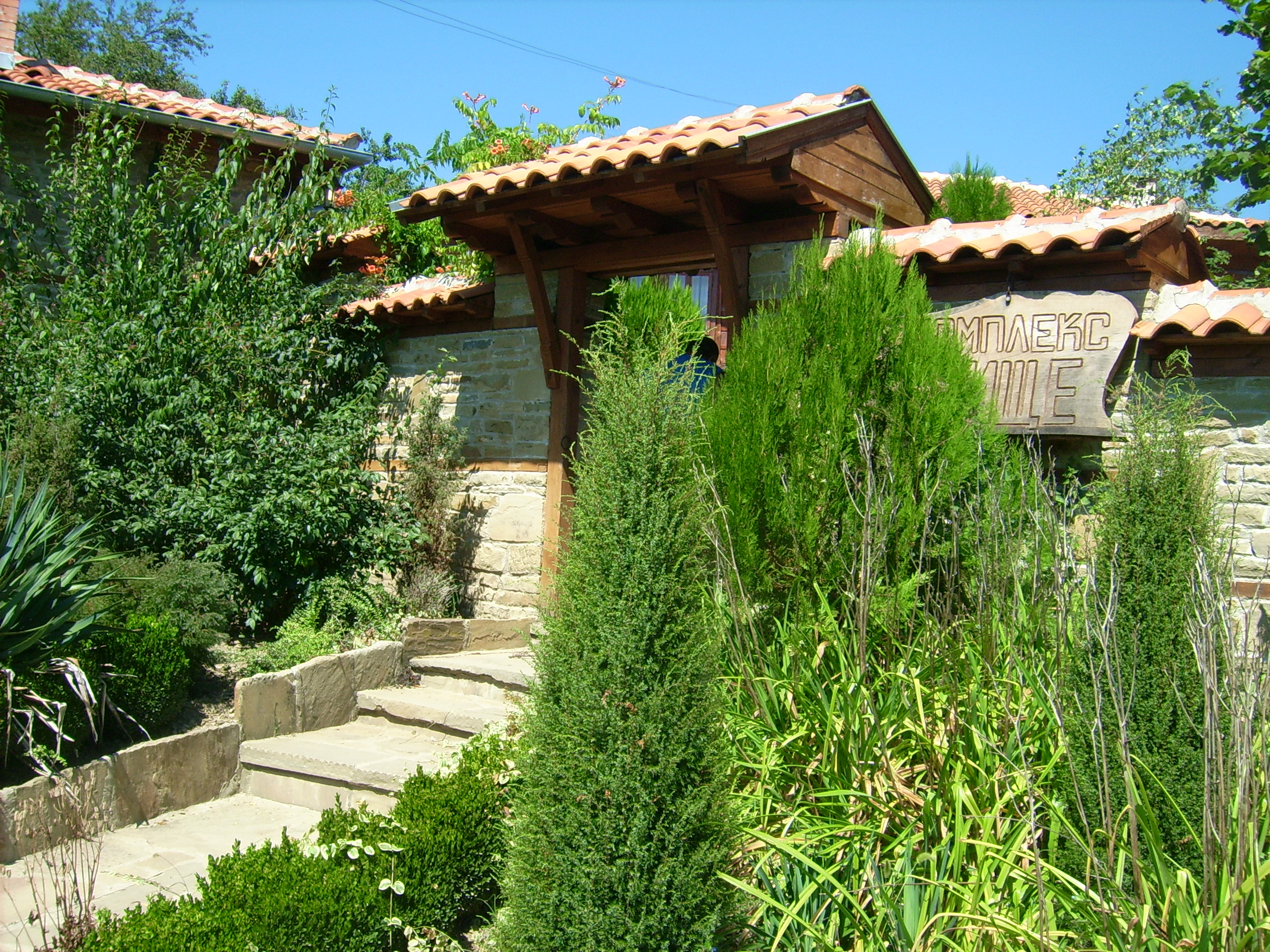
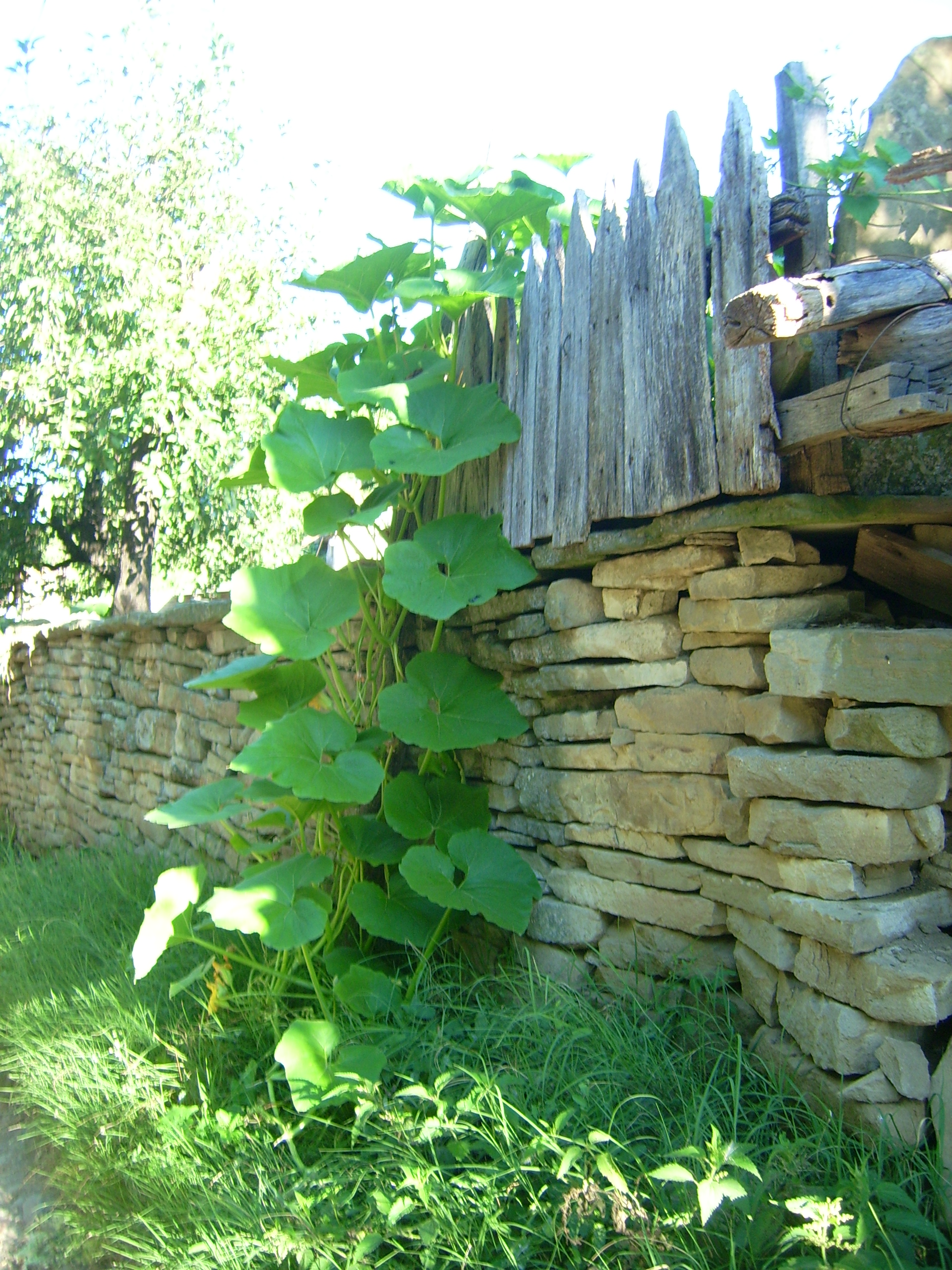
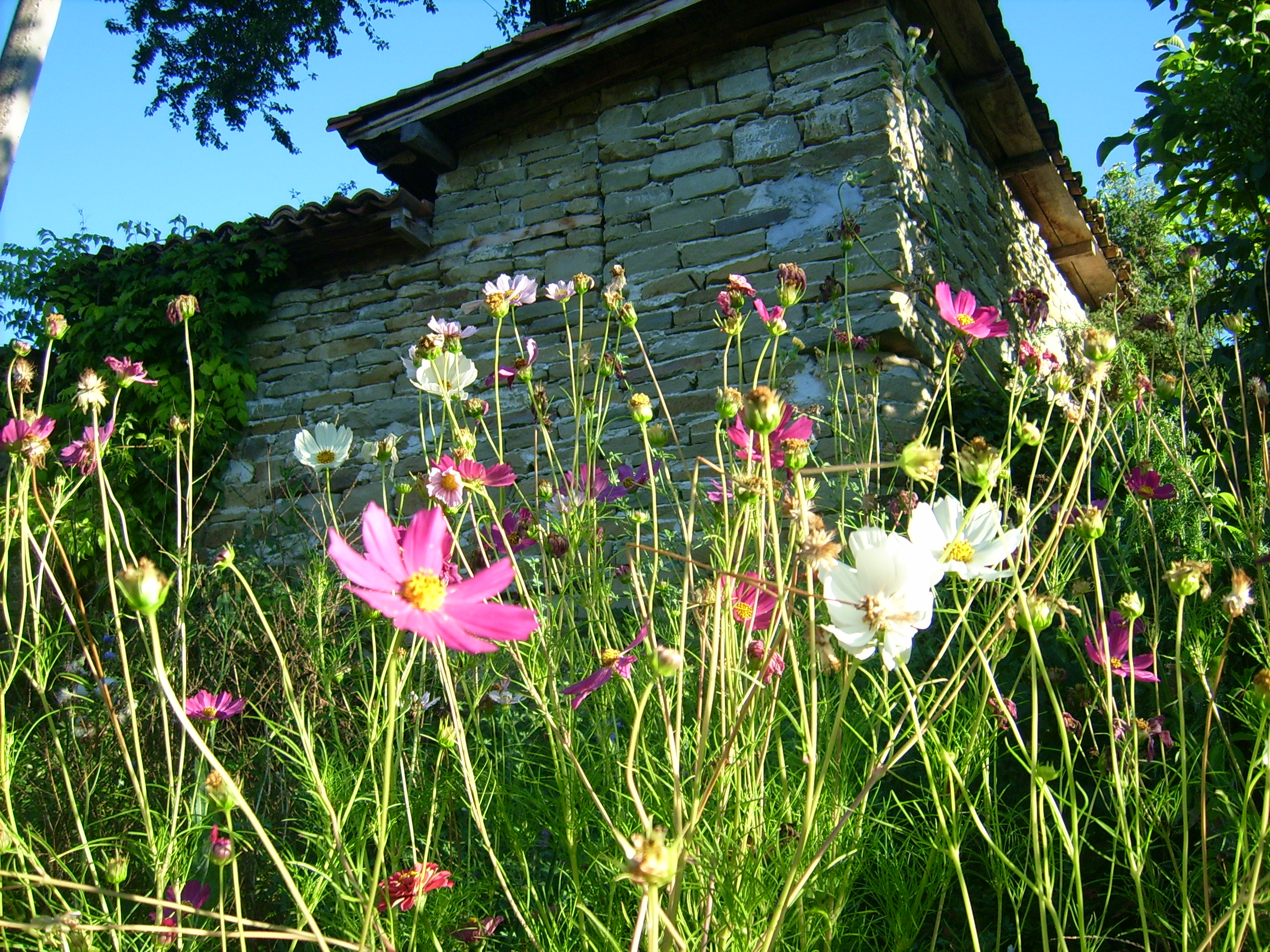
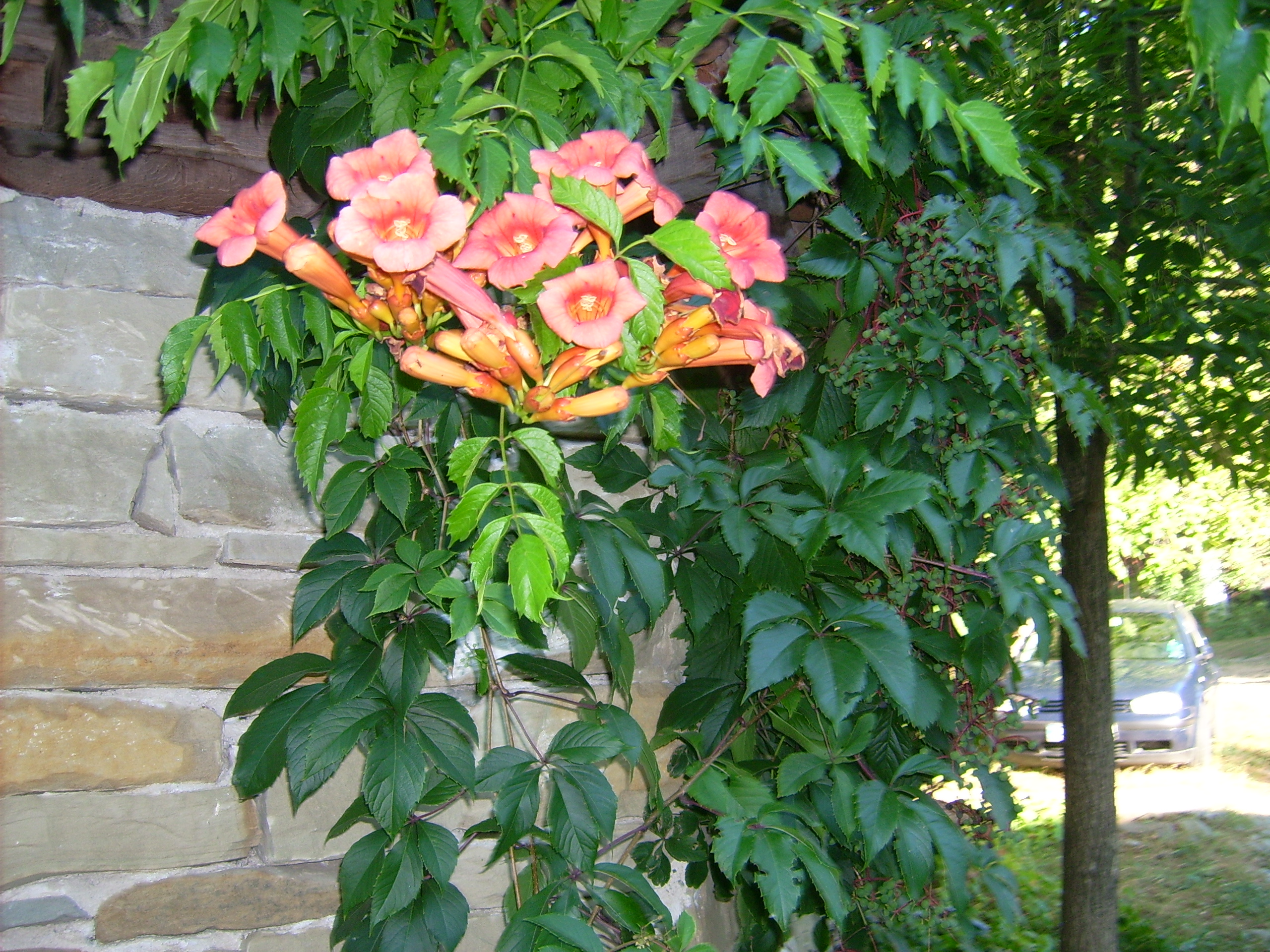
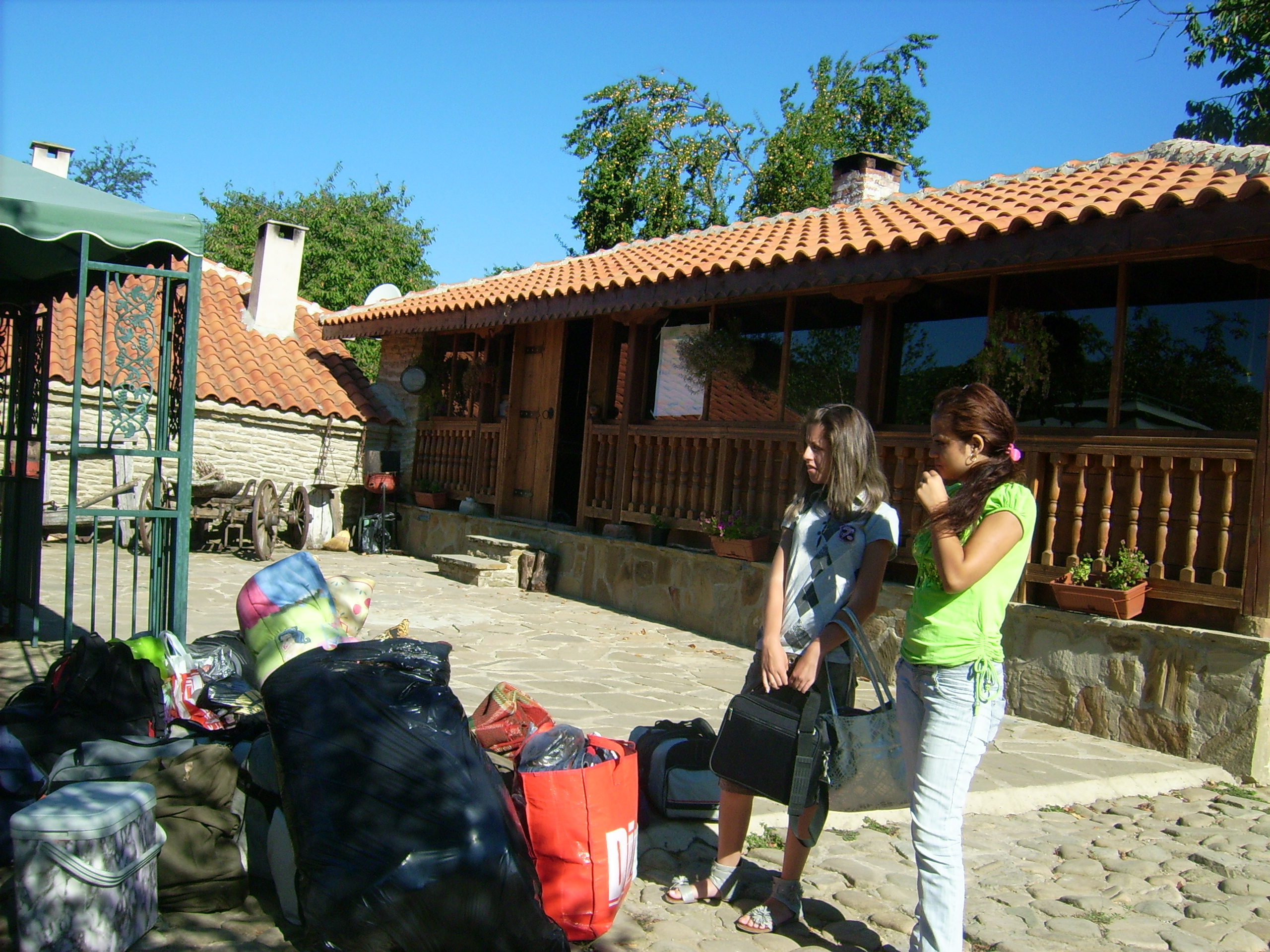
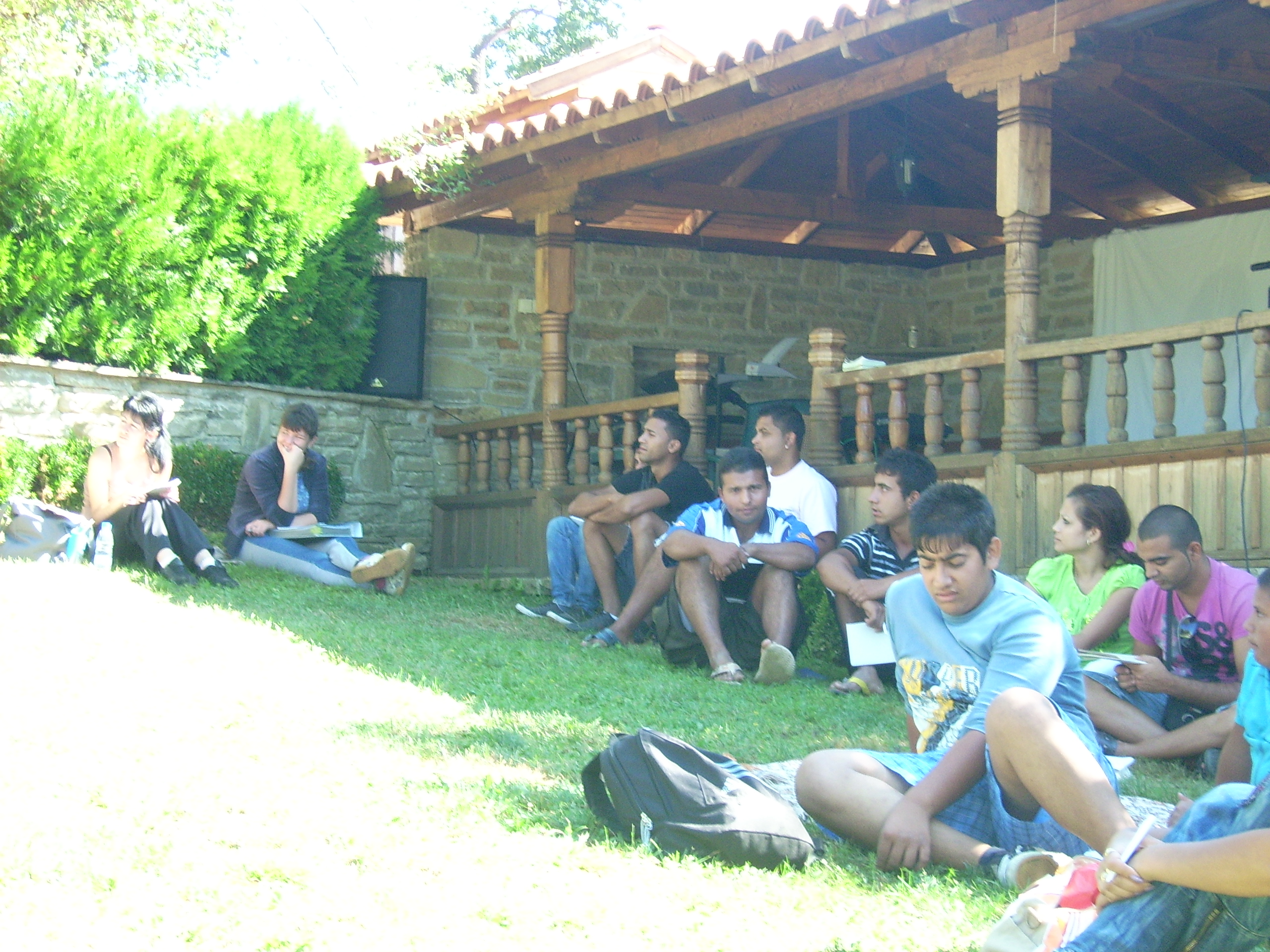
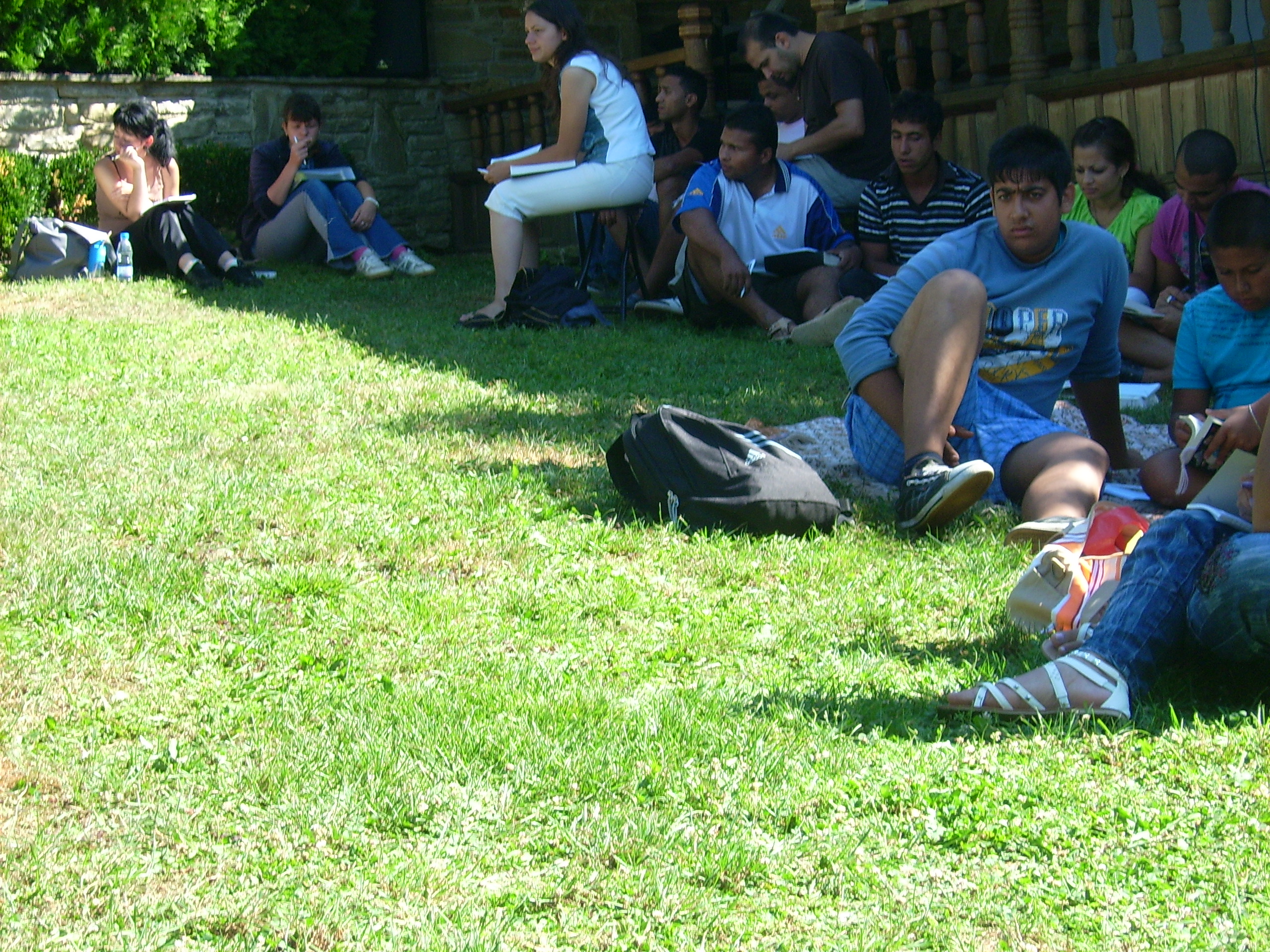
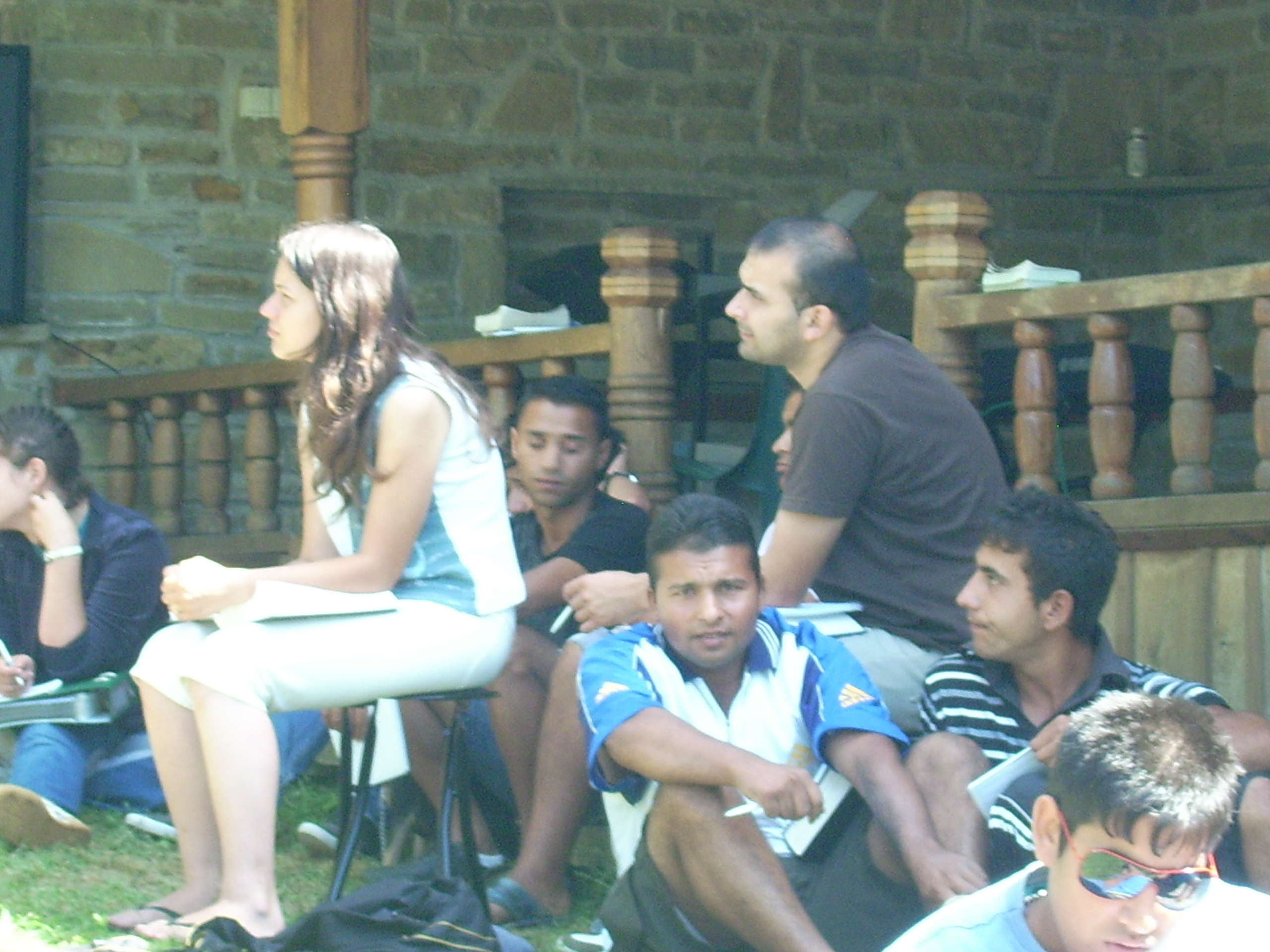
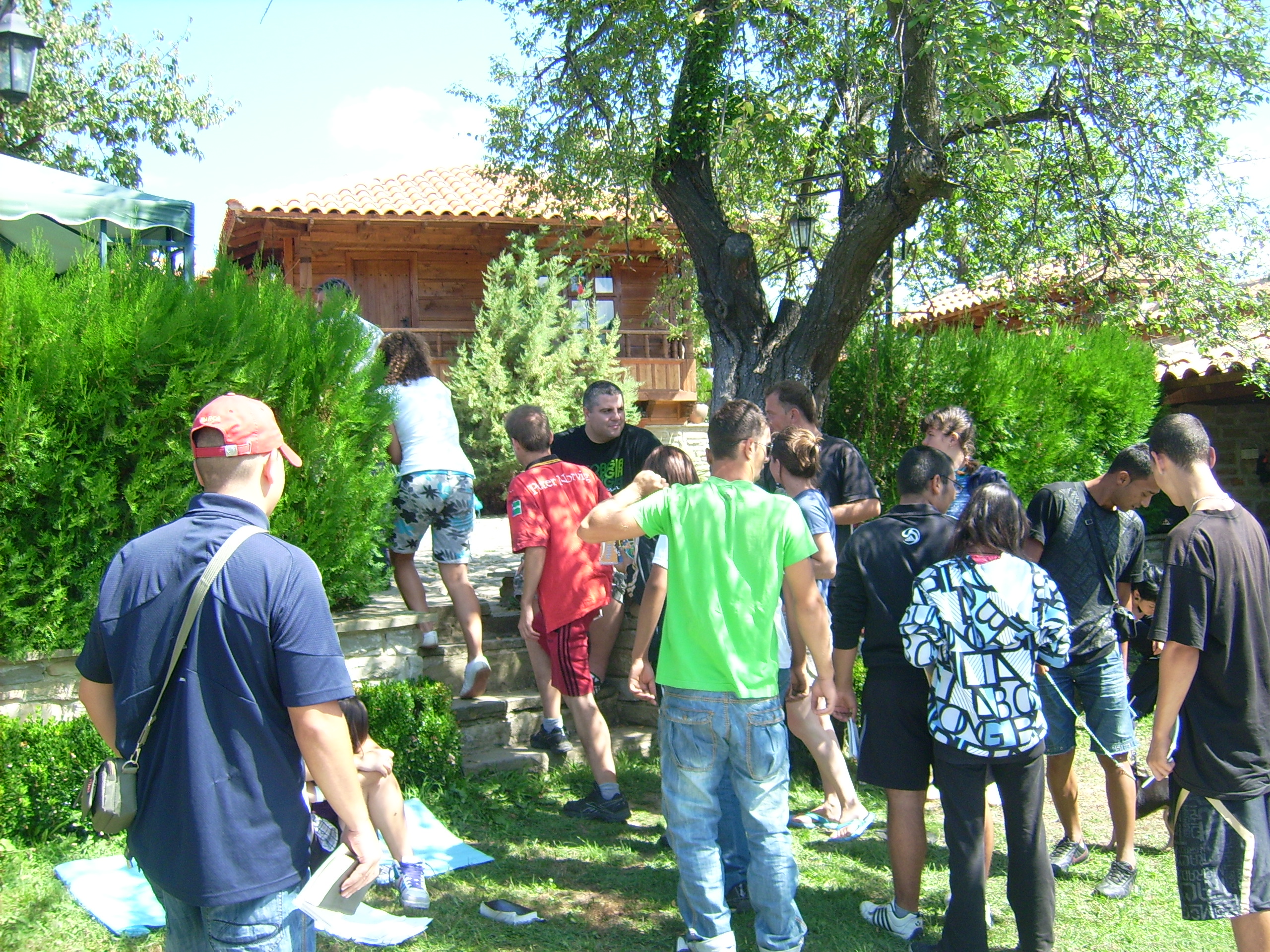
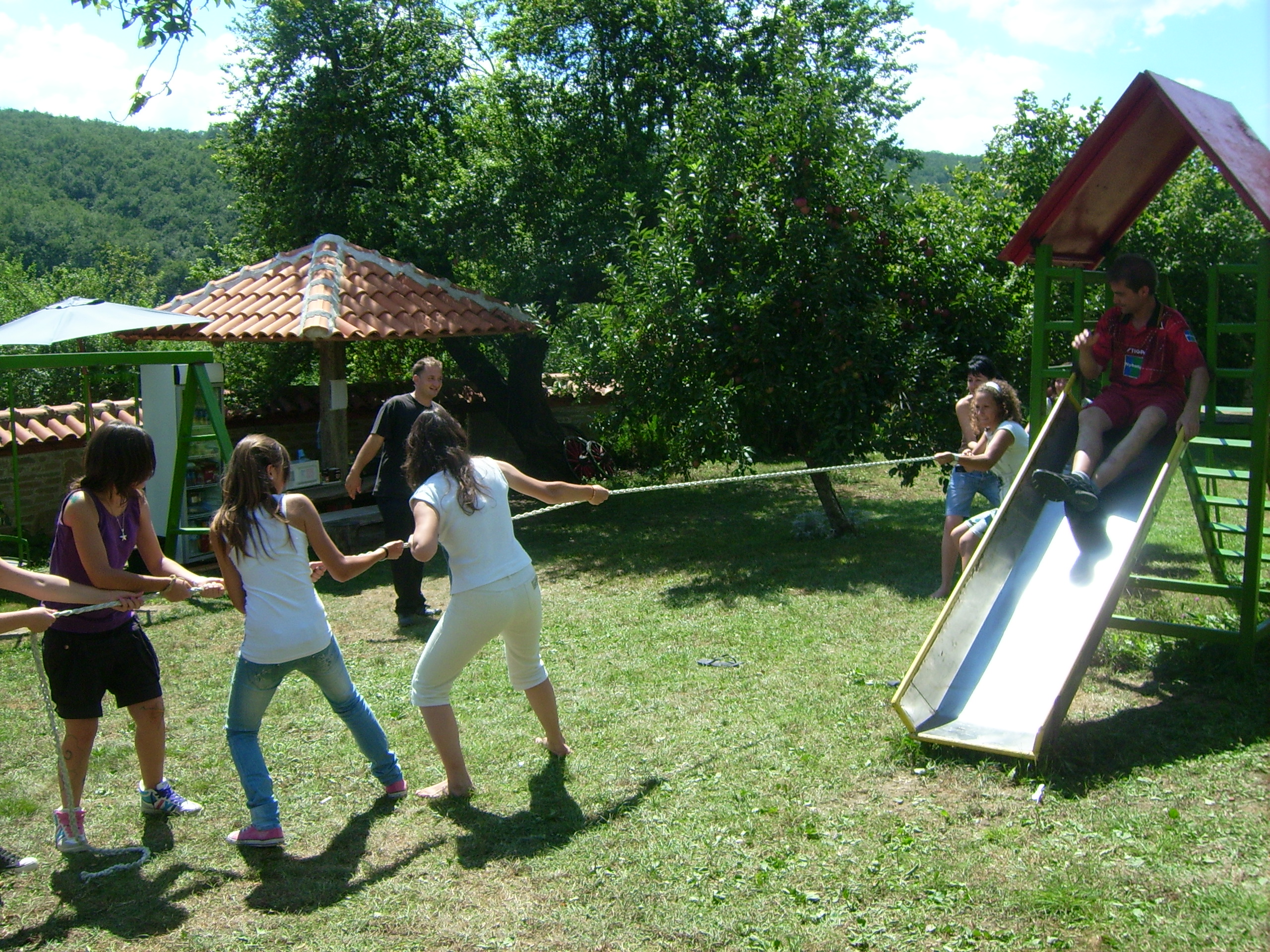
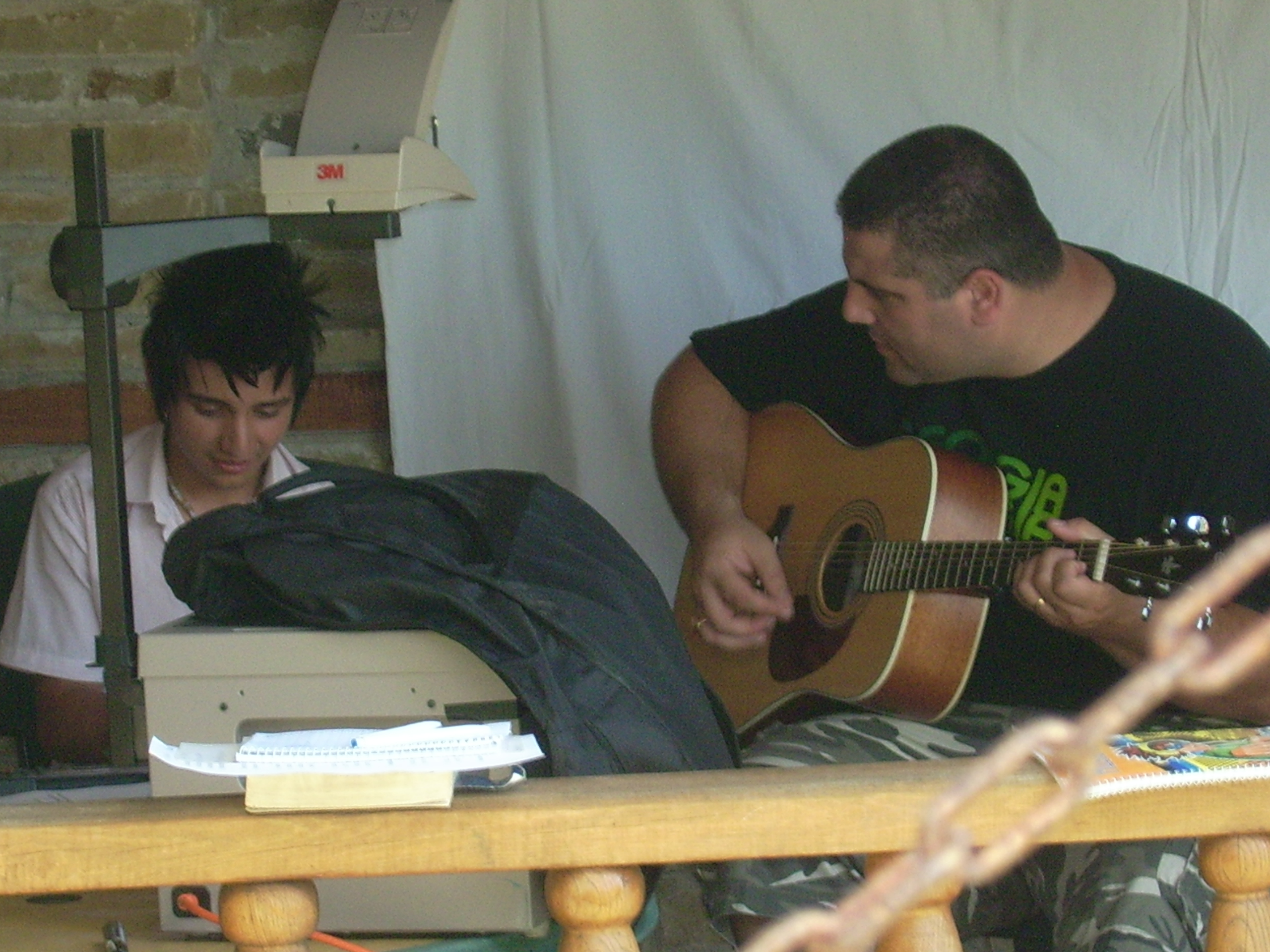
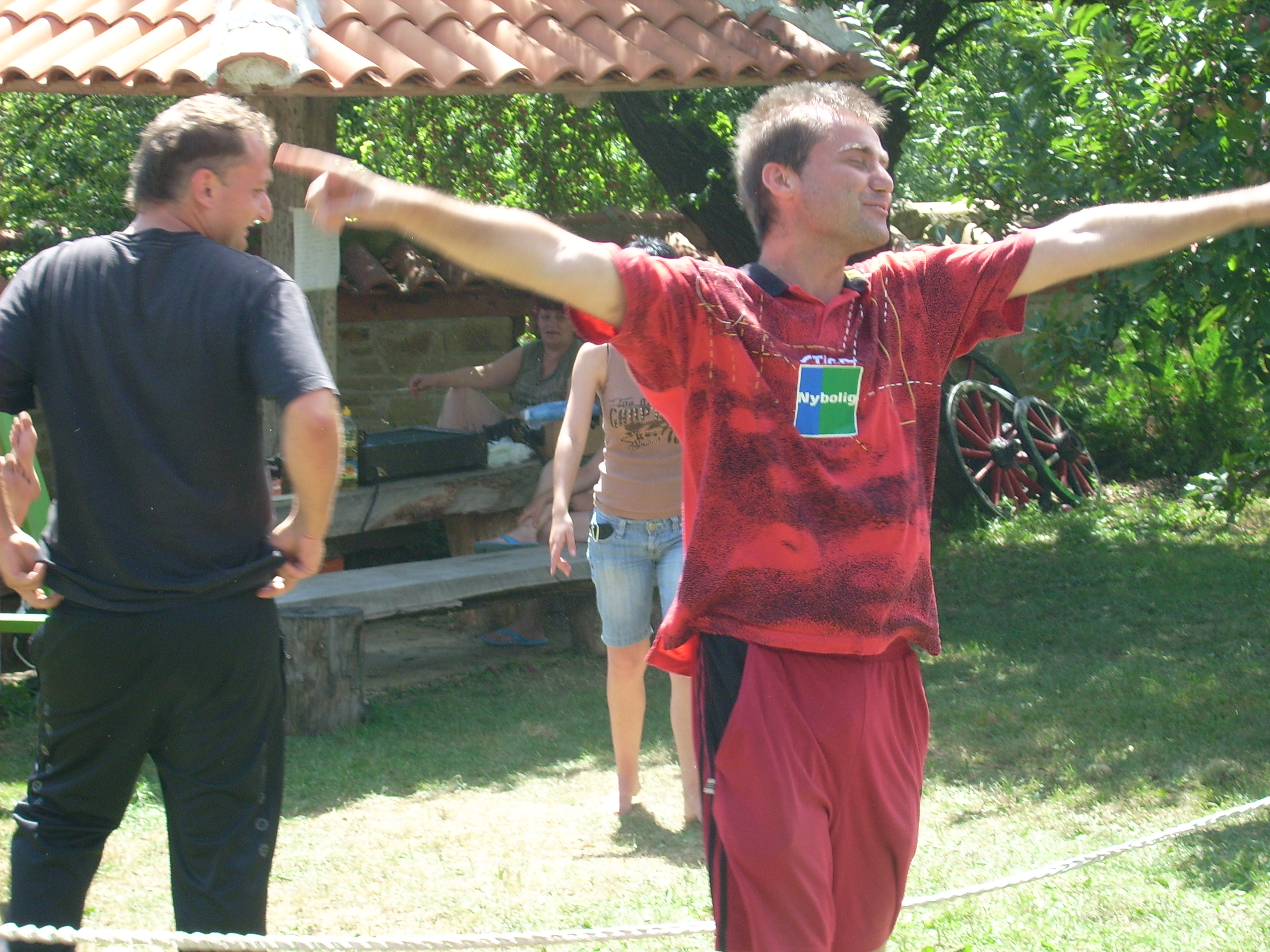
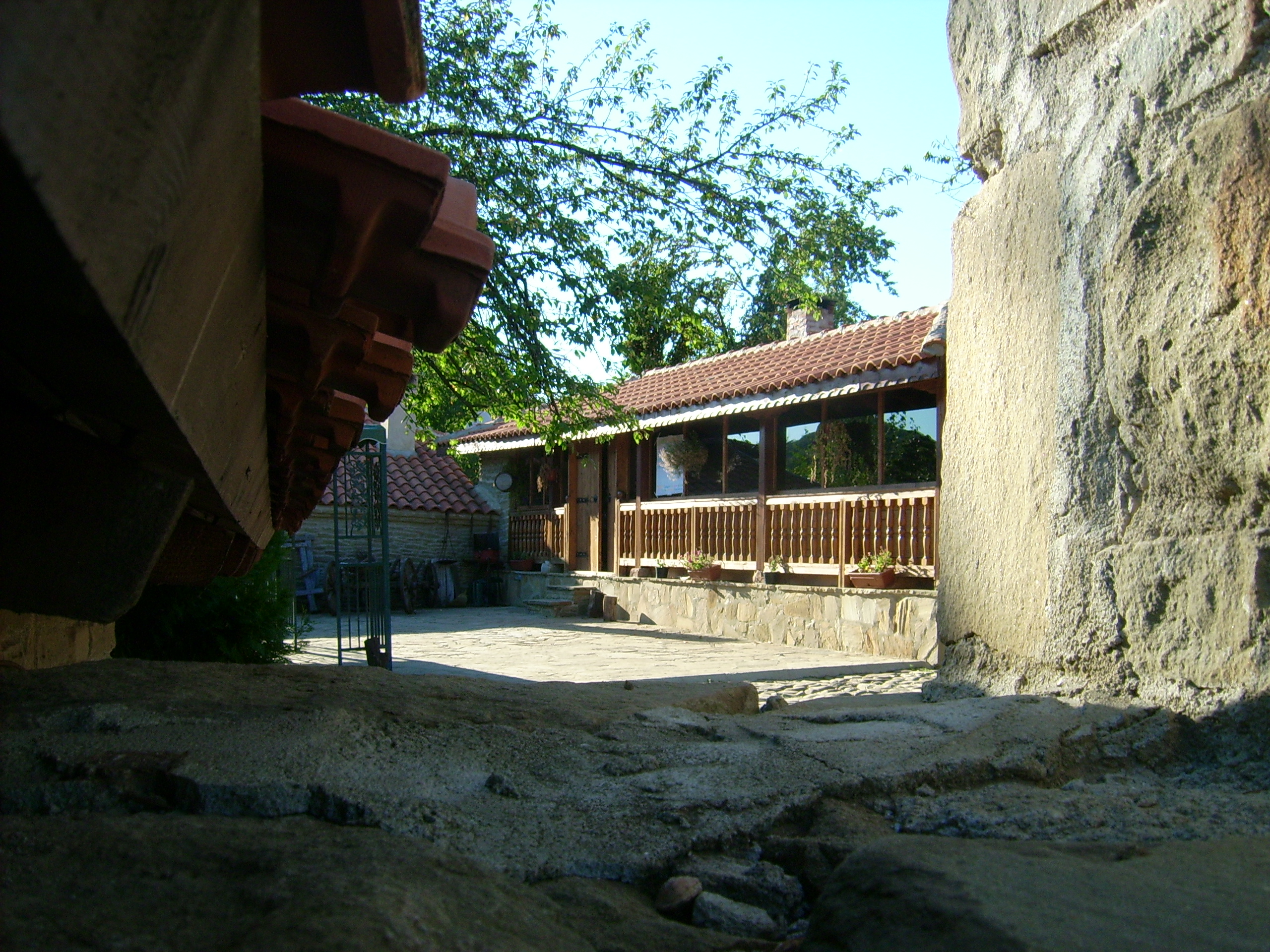
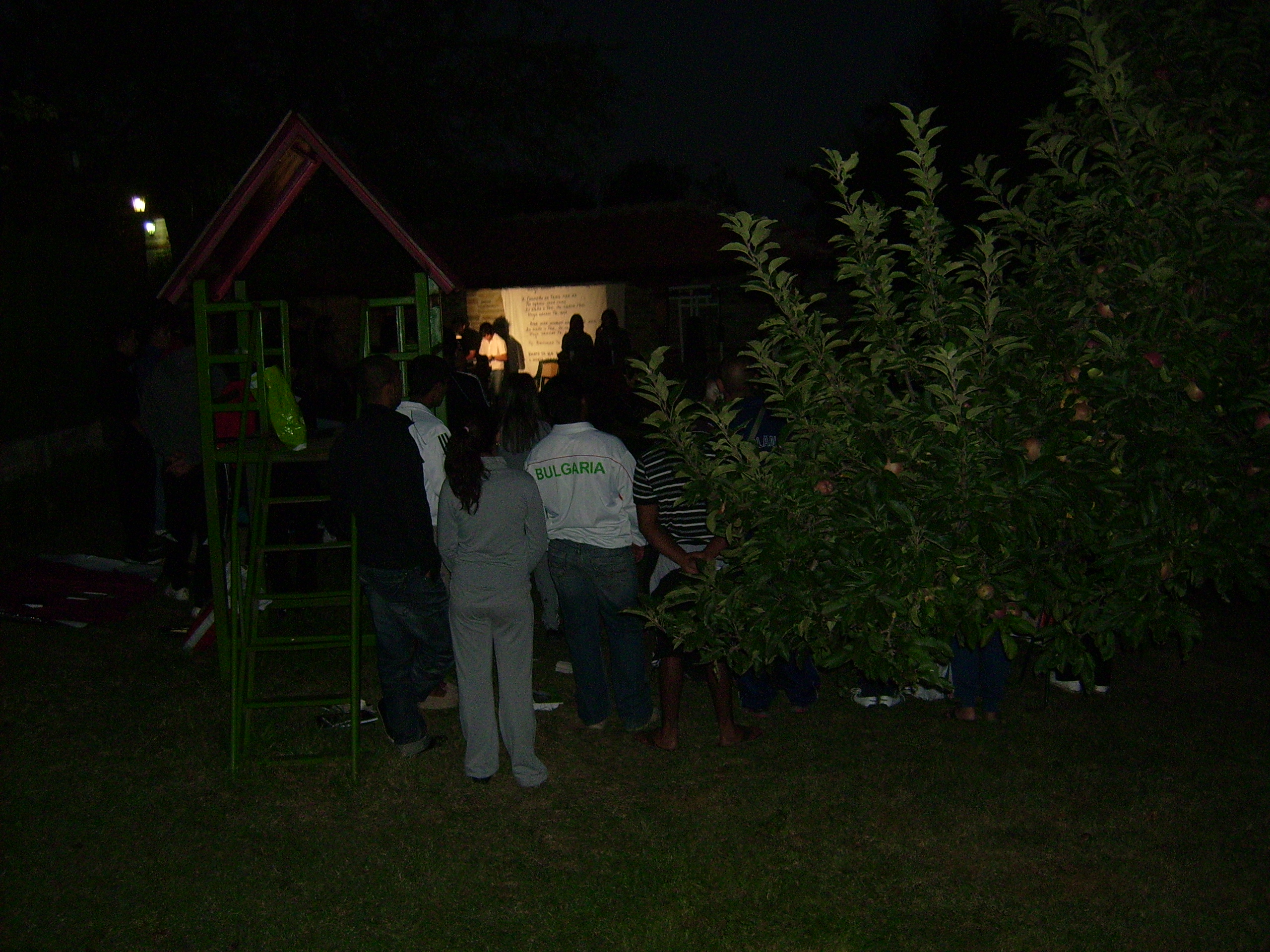
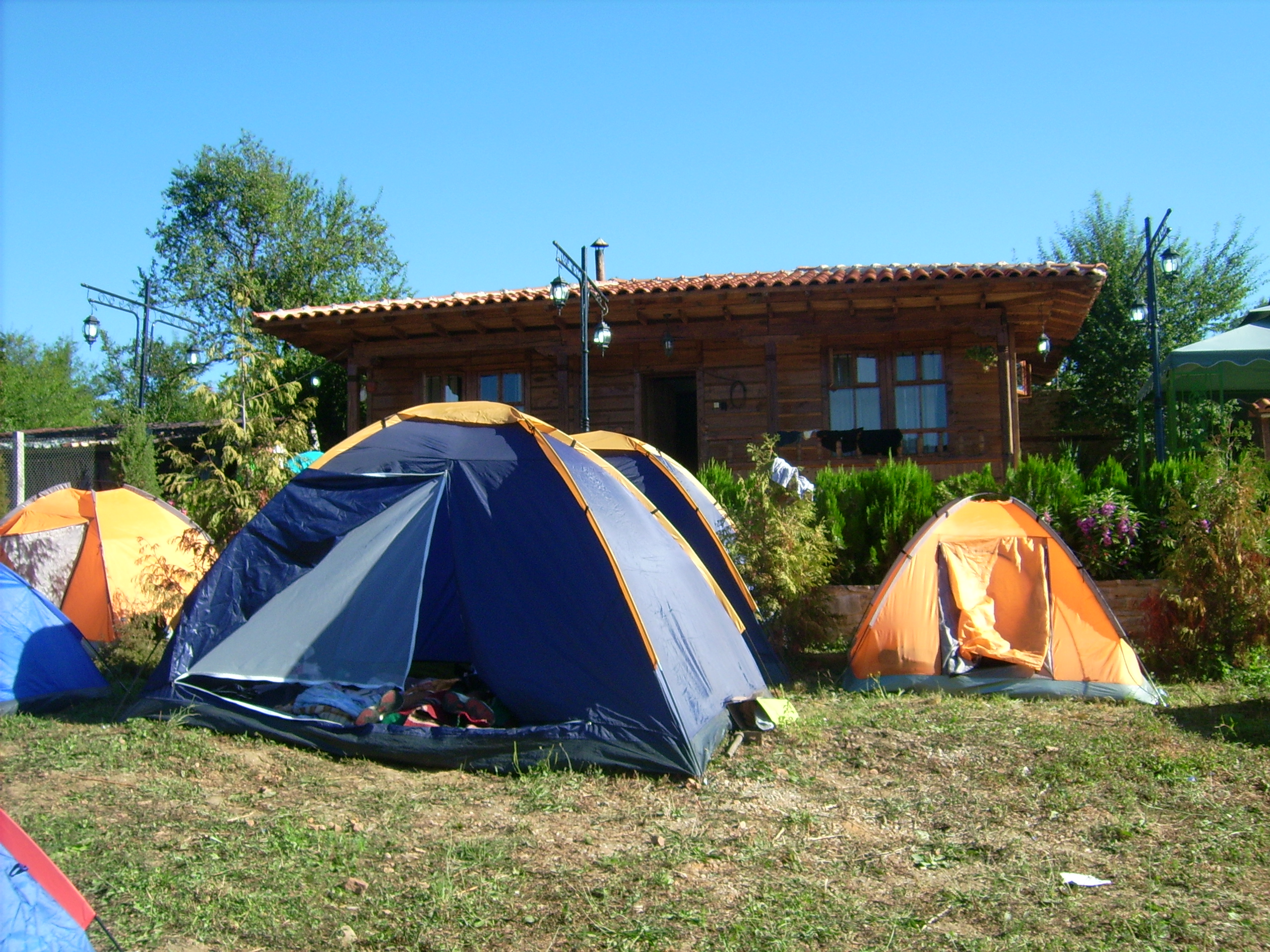
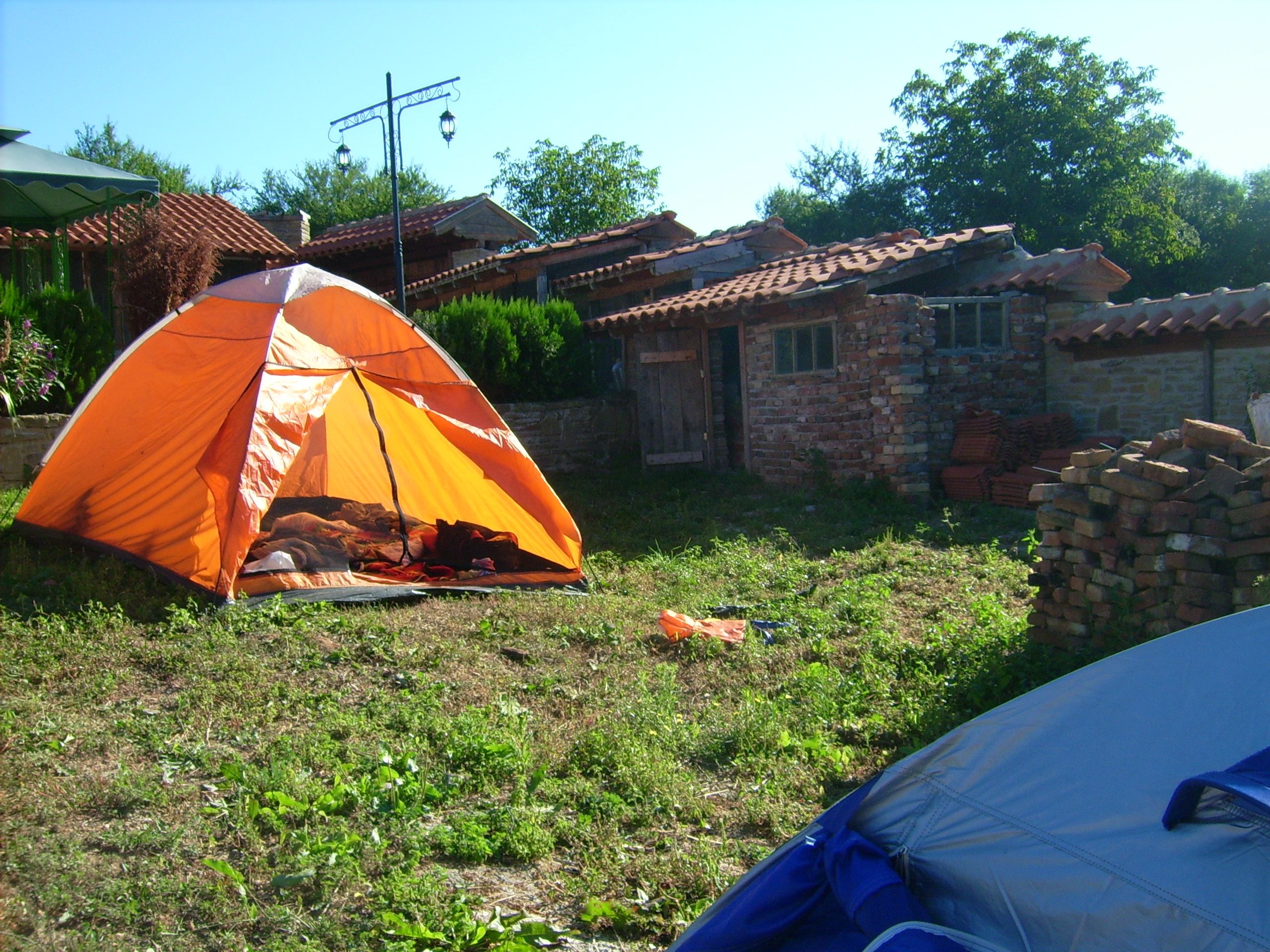
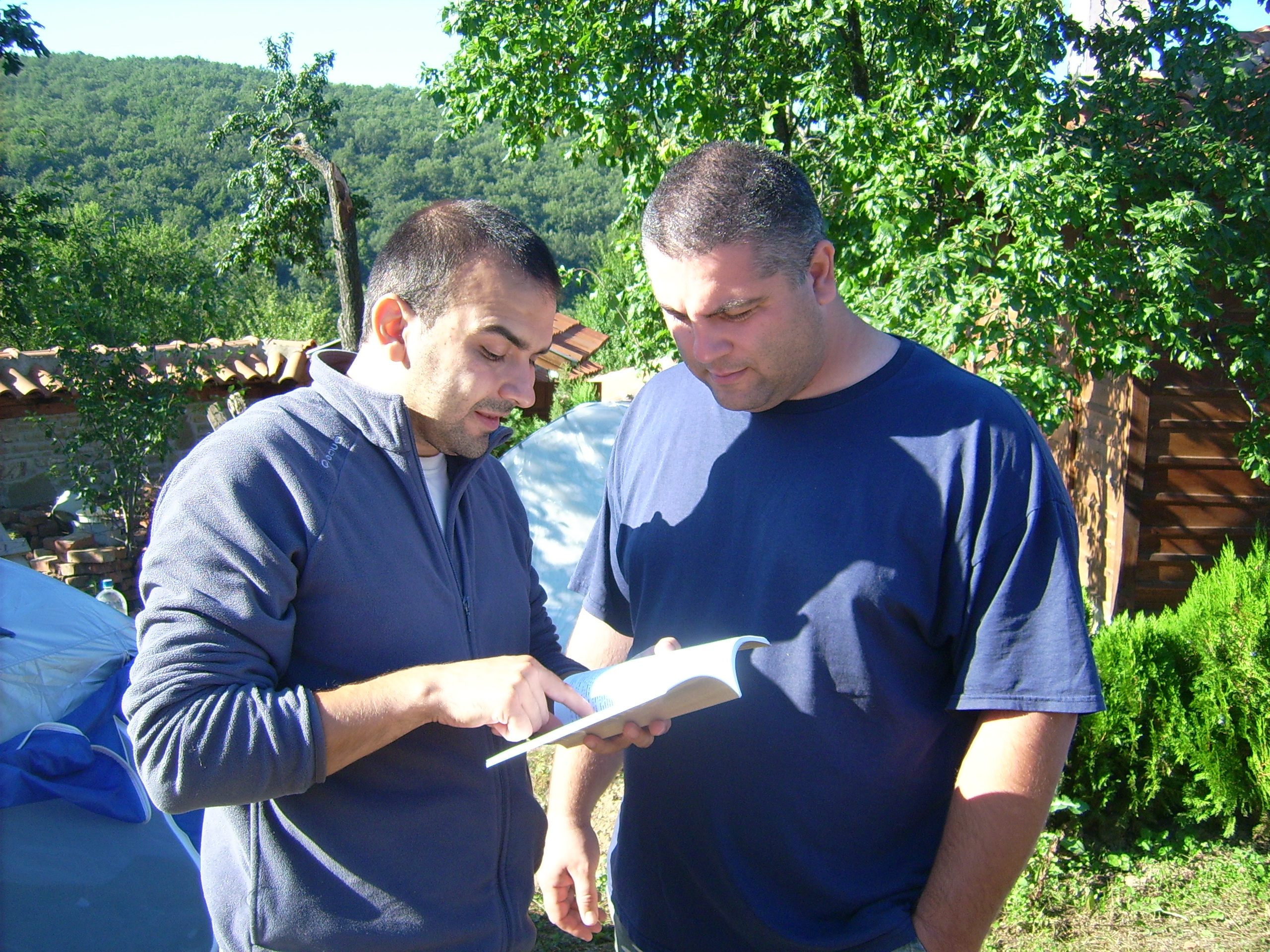
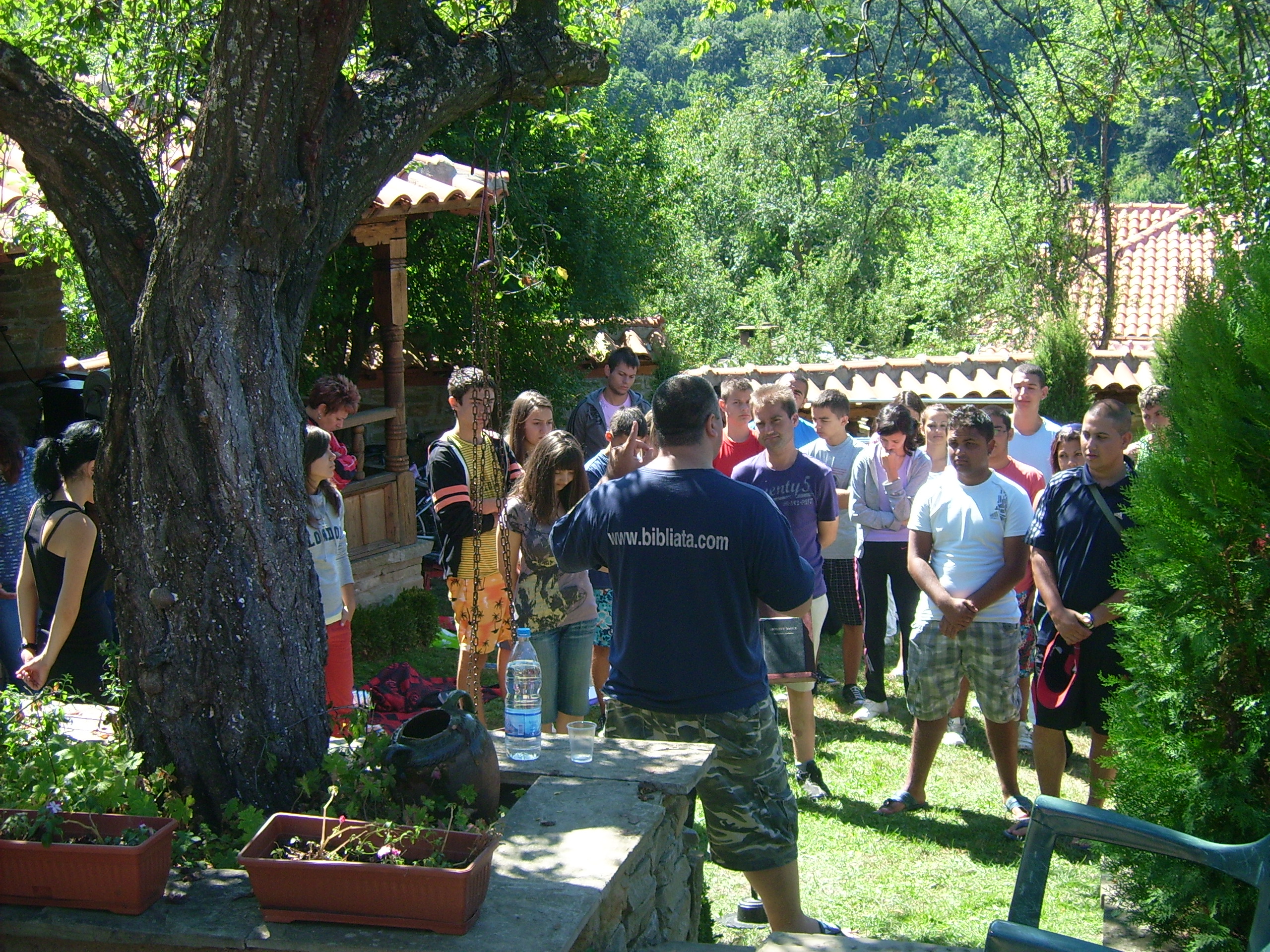
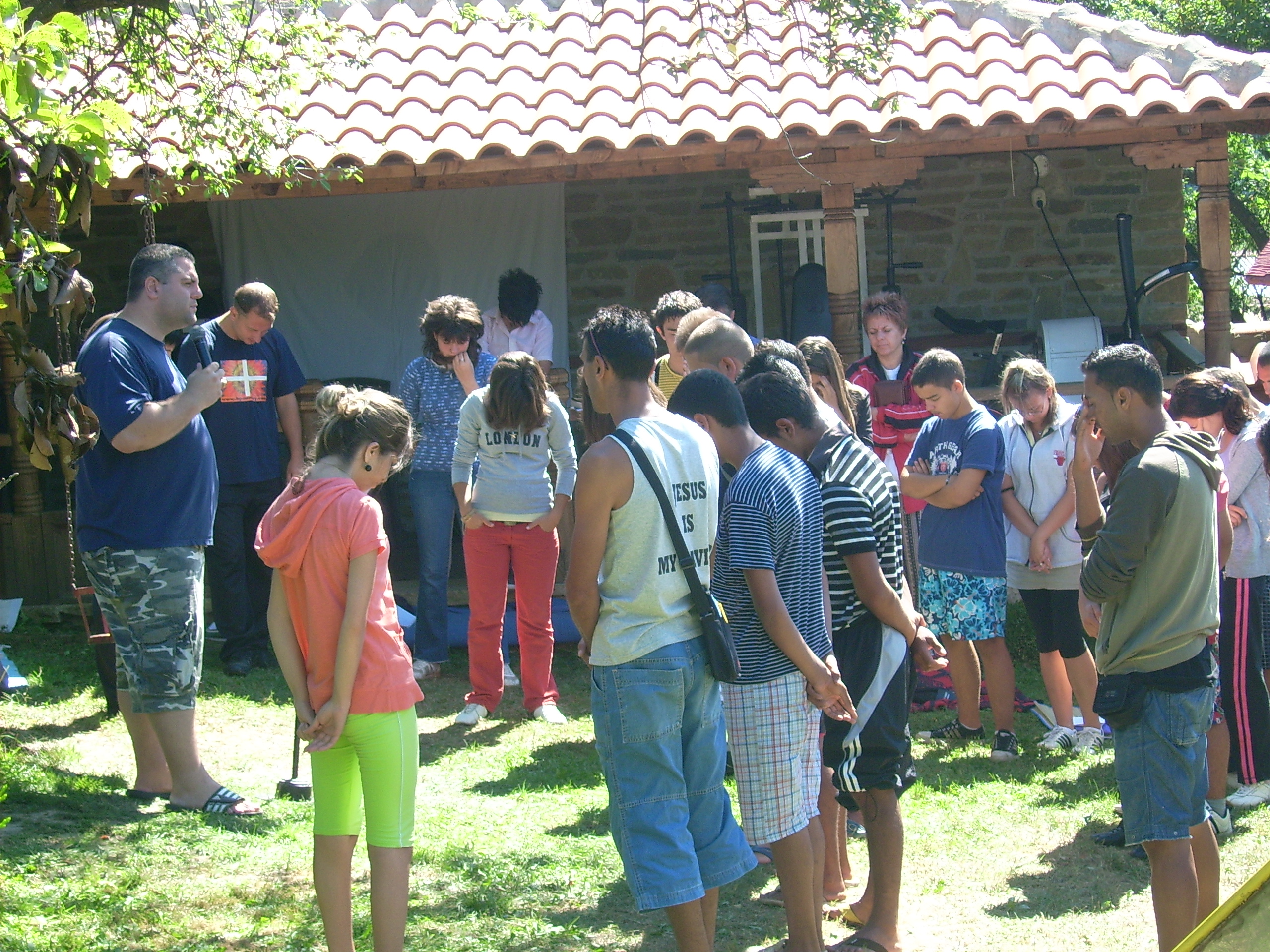
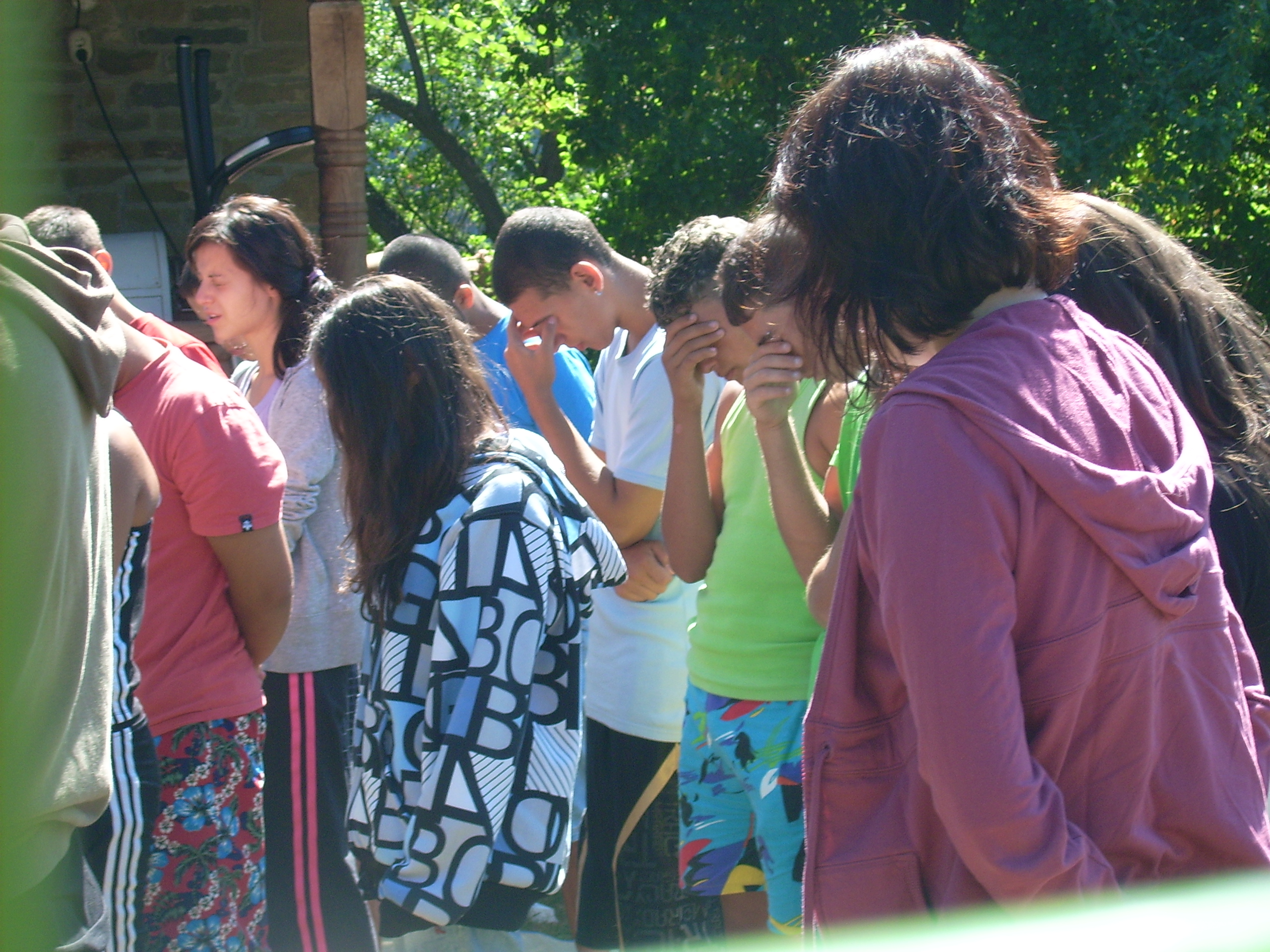
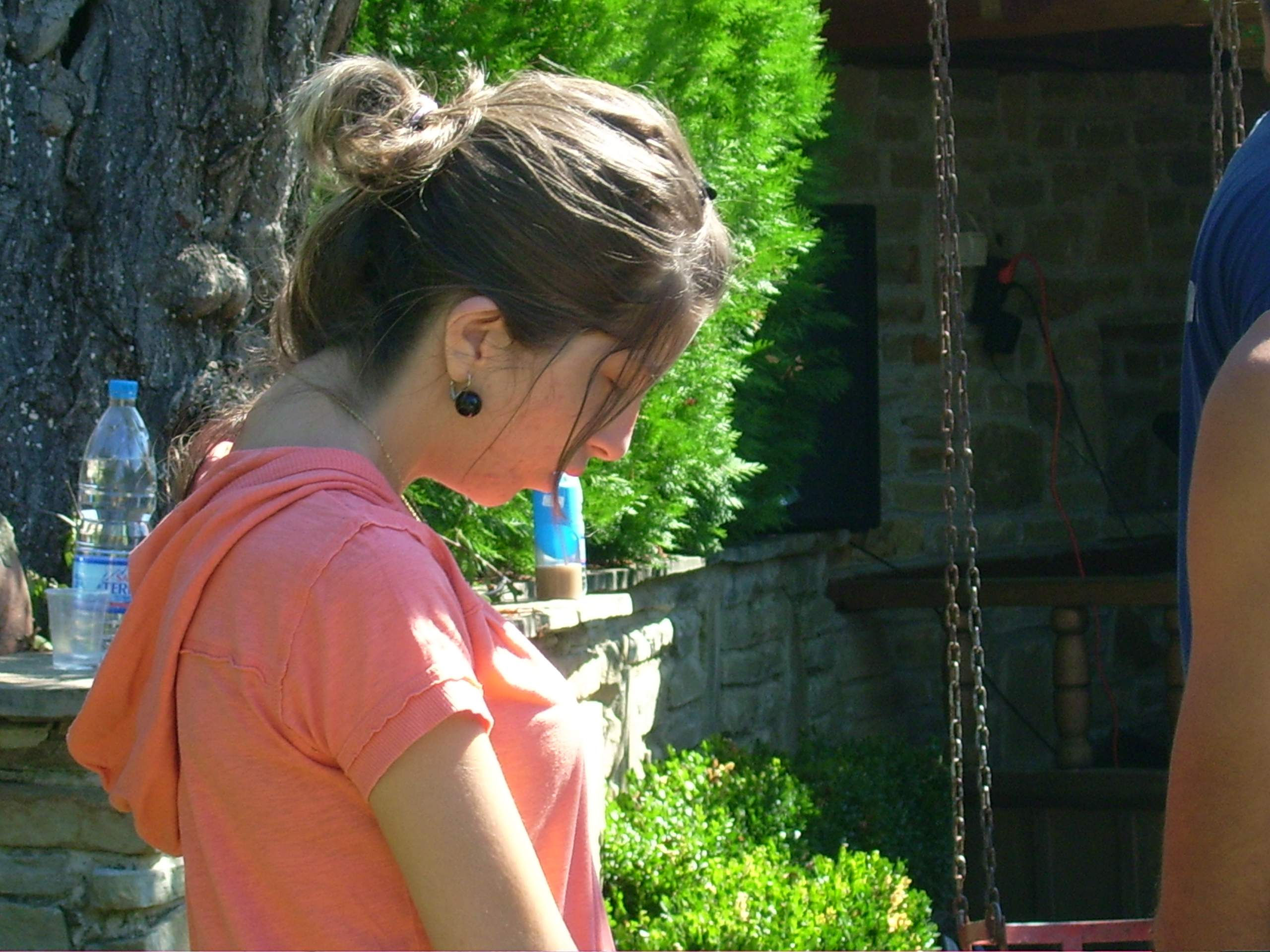
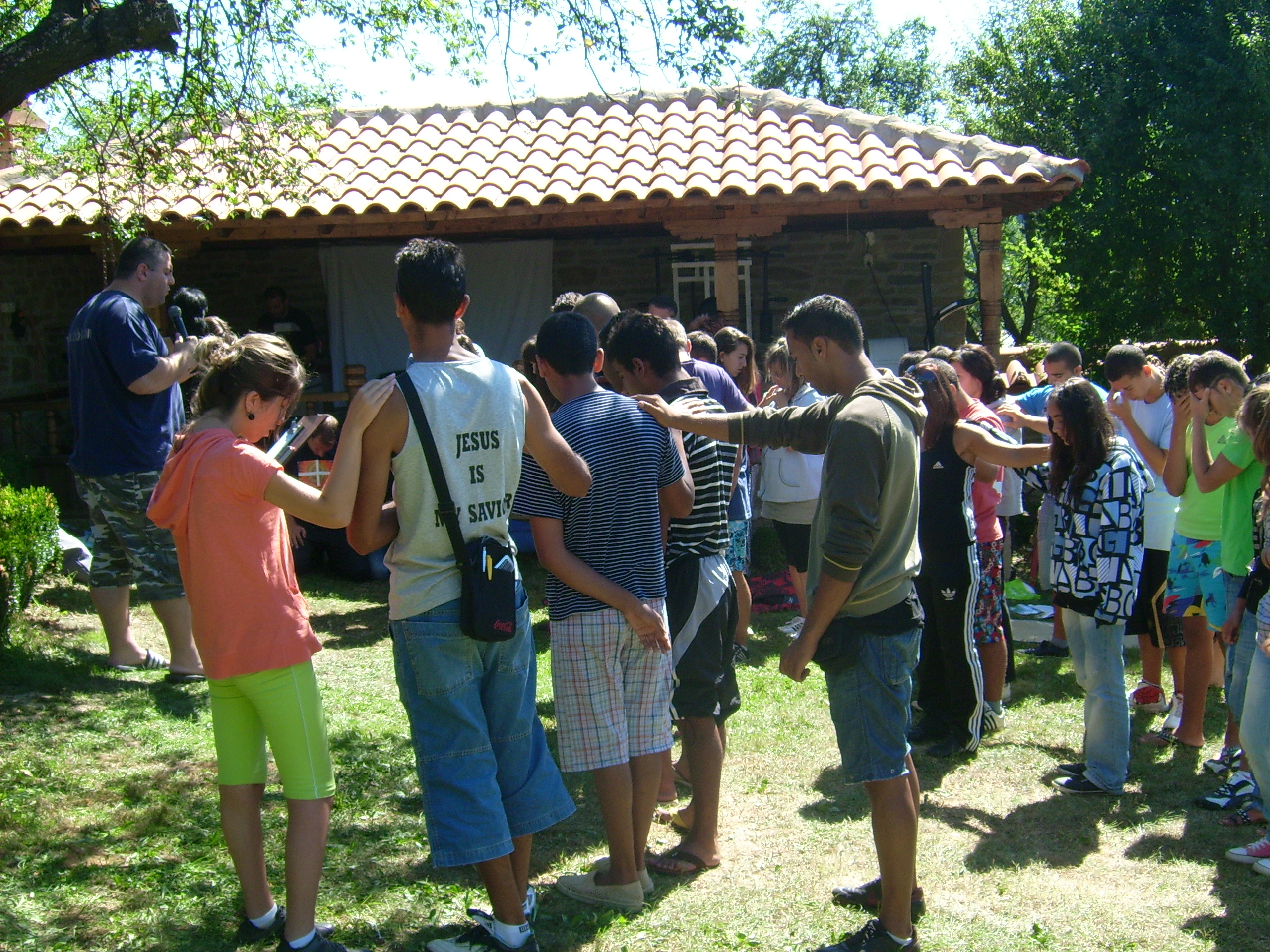
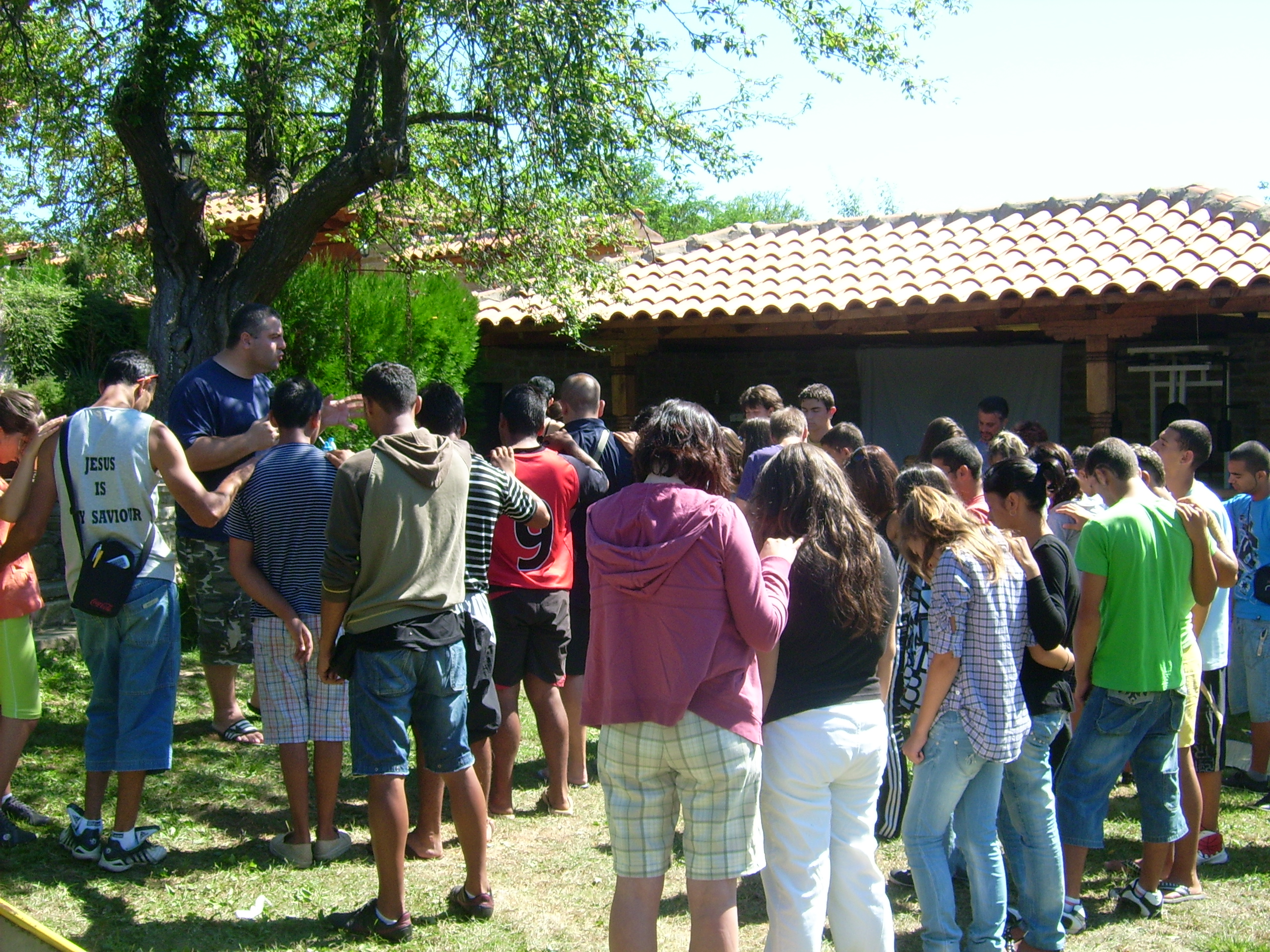
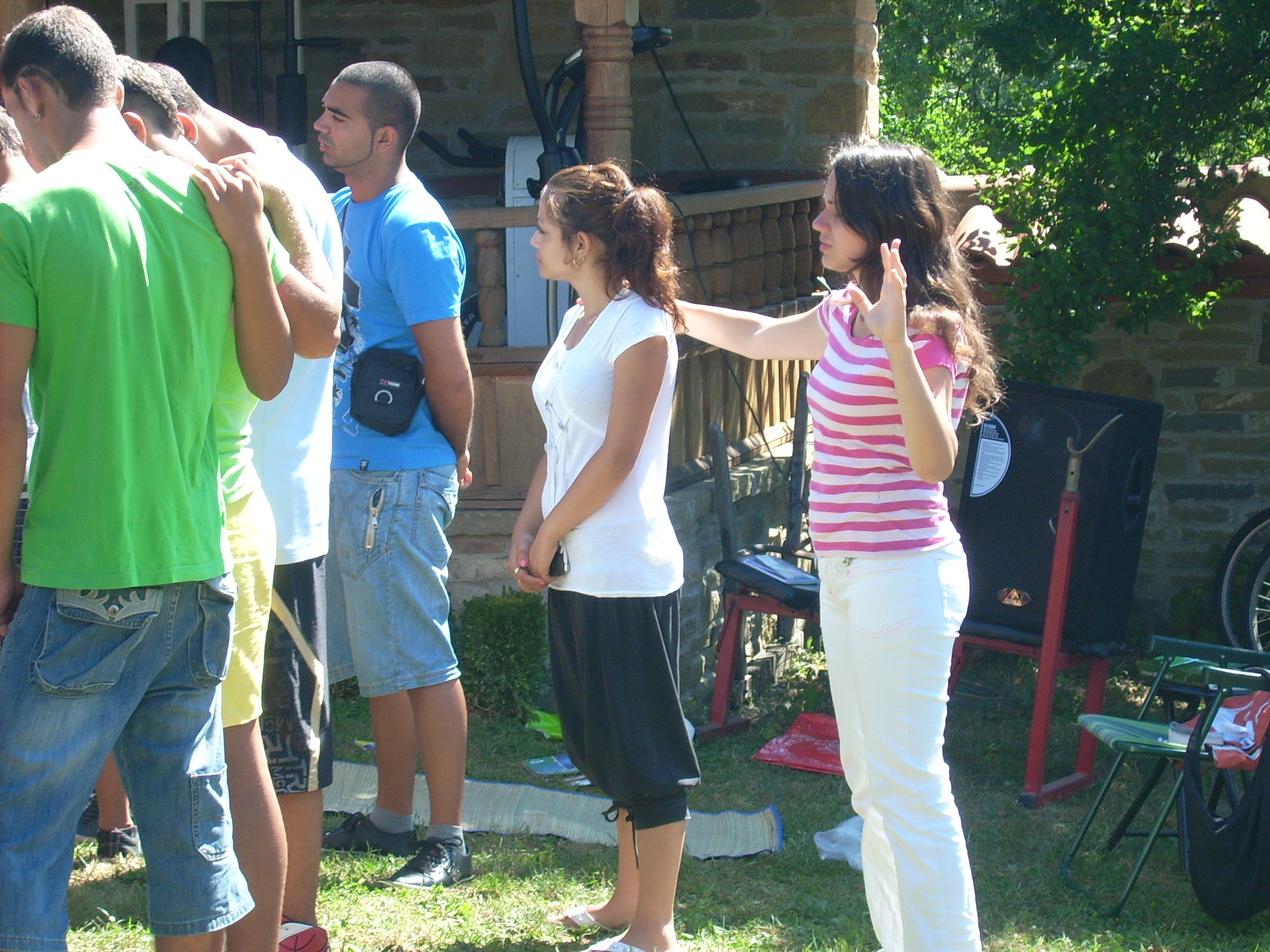
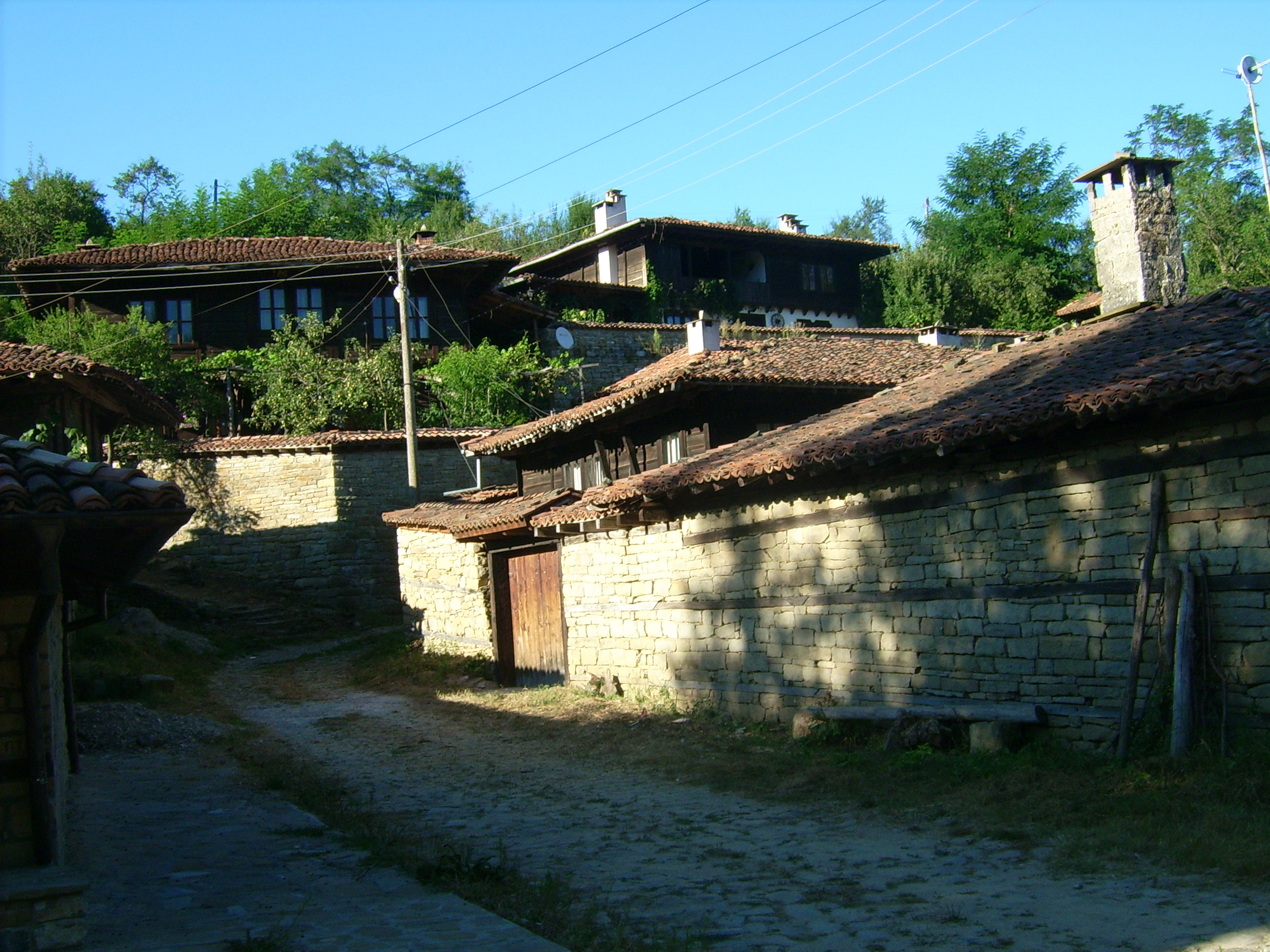
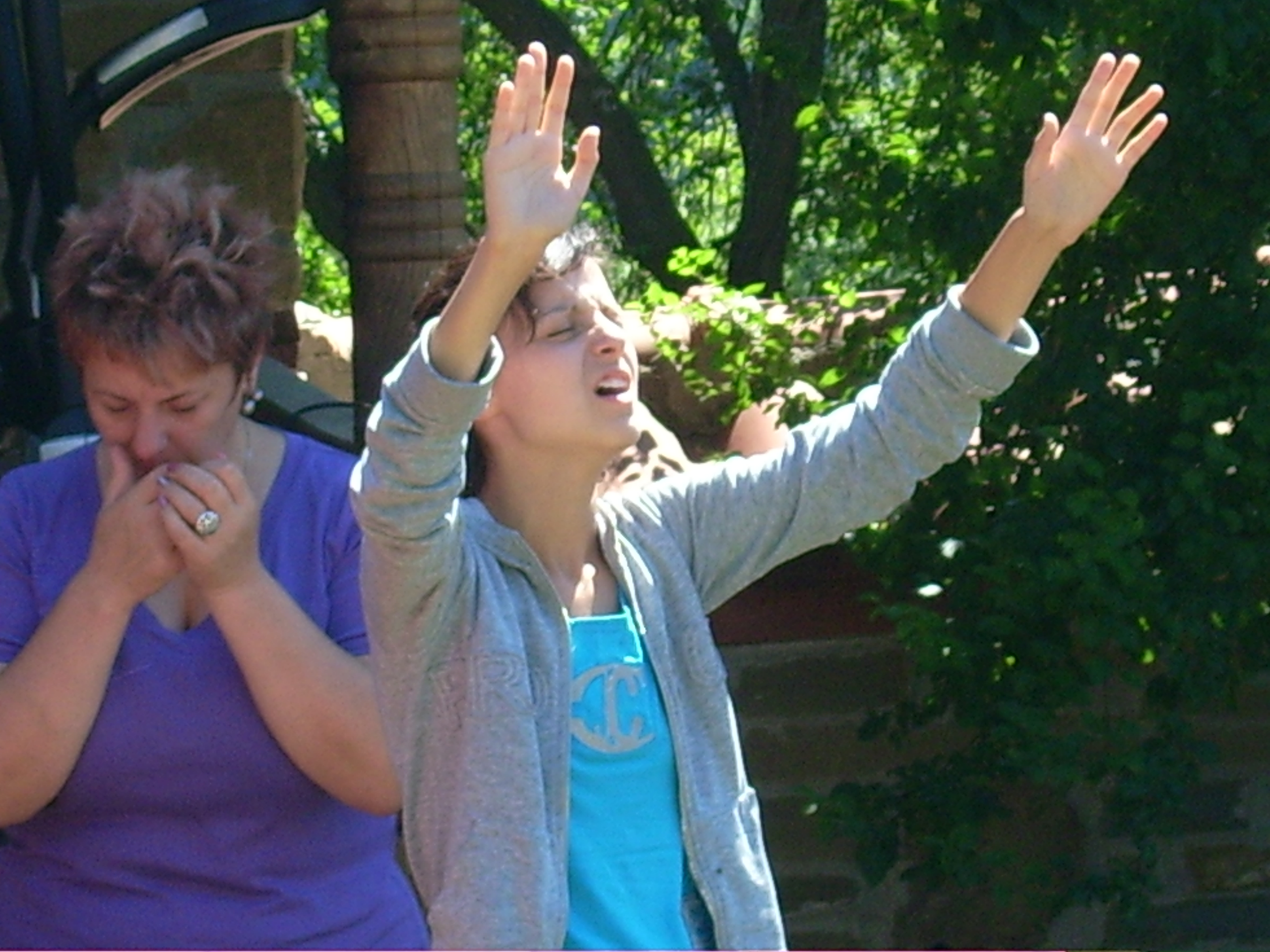
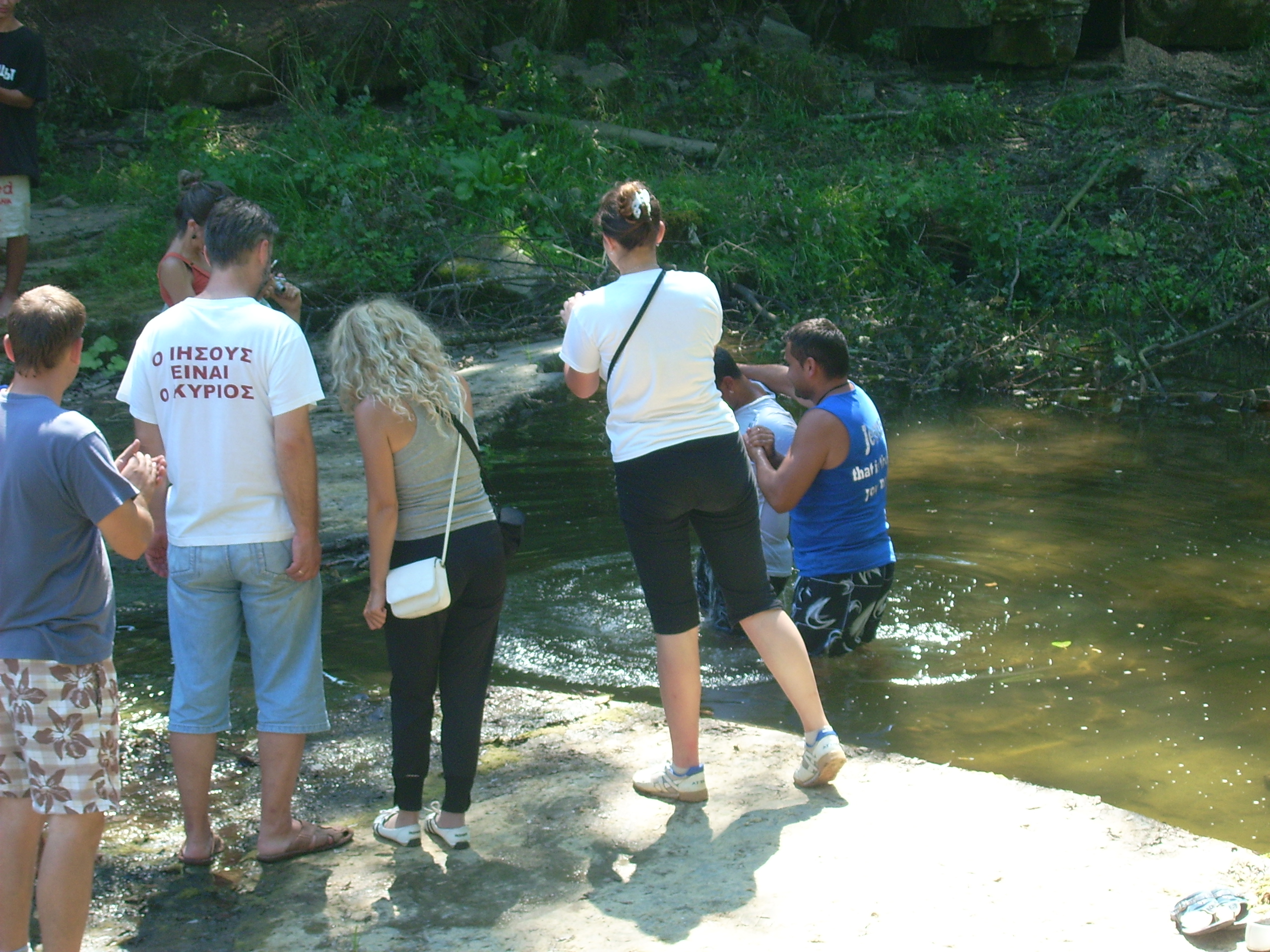
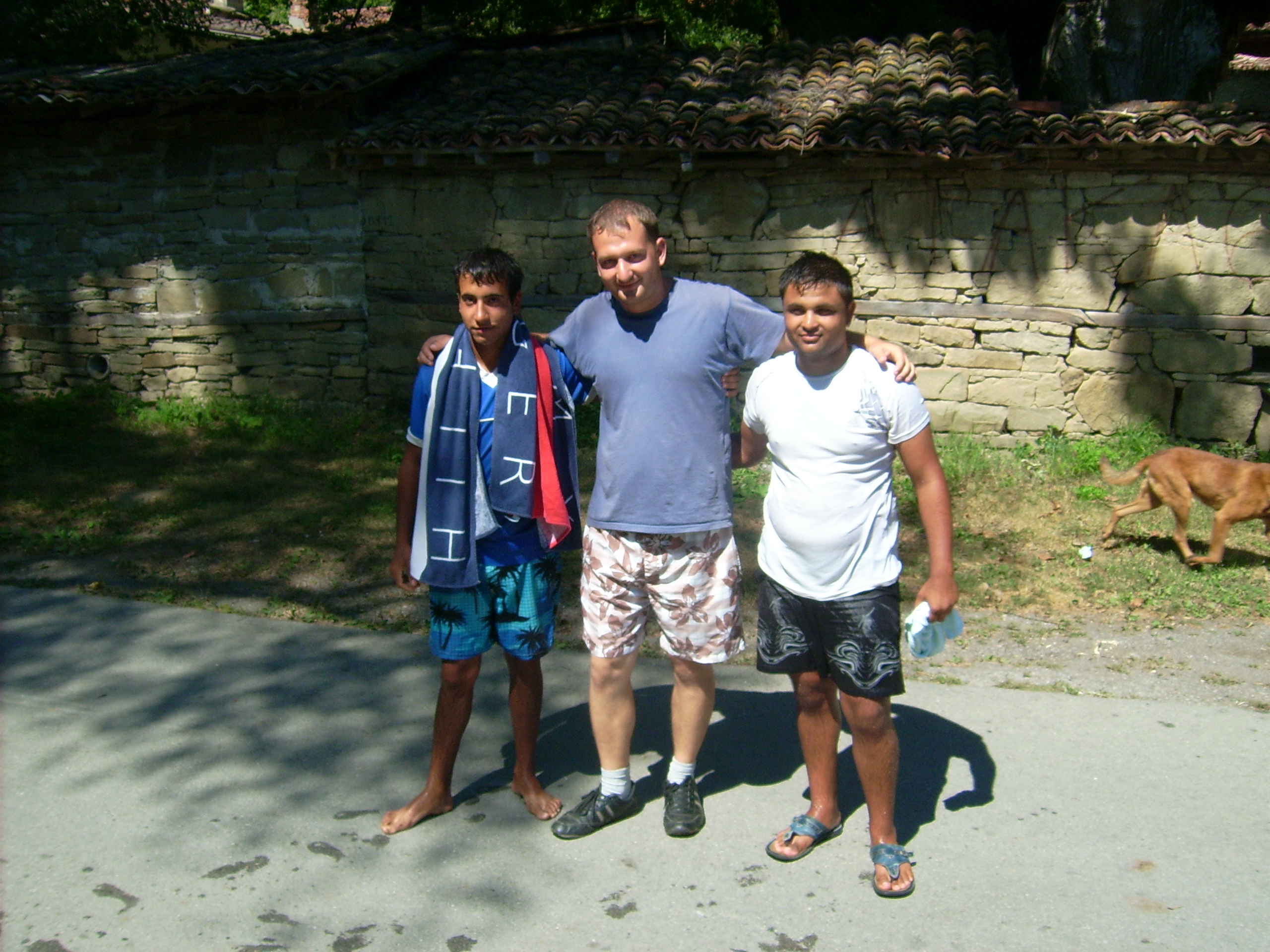
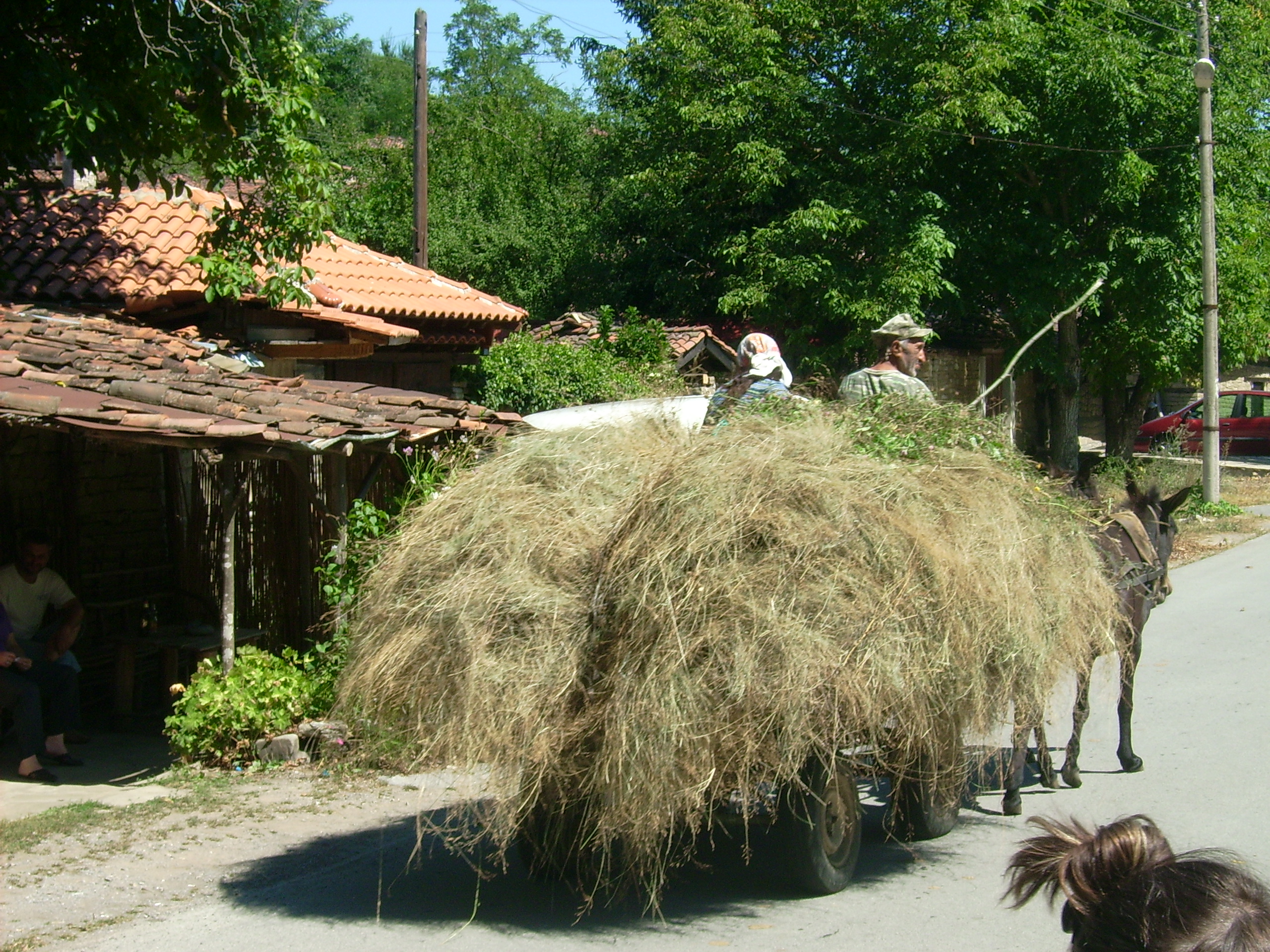
Ministry Camp 2010 was a complete success with over 65 registered campers gathered for a week in the heart of the Bulgarian Balkan mountain in a location that is kept authentic as Bulgarian architecture was a couple of centuries ago. A number of newly started churches and ministries were represented among which the churches in Sliven, Yambol, Haskovo, Zheravna, Mokren, Bourgas, Kotel, Razgrad and Sofia. Beside the Bulgarian youth, we had friends and partners in the ministry who came from Greece, the United States, England, Spain and Macedonia. But the most important thing for us personally, was the unique opportunity to train workers for the Harvest in a camp that was not targeted towards a general audience, but focused on youth with a ministry call upon their lives.
Camp began on Sunday afternoon in order not to interfere with any church service and official registration began at 8:00 am the following morning. The opening message as well as on Tuesday night was delivered by Rev. Anton Penev, pastor of the newly started Reformation Pentecostal Church of Haskovo. He challenged the youth in a very powerful way to seek the Lord’s will through the week and focused on the calling and direction He has upon their lives.
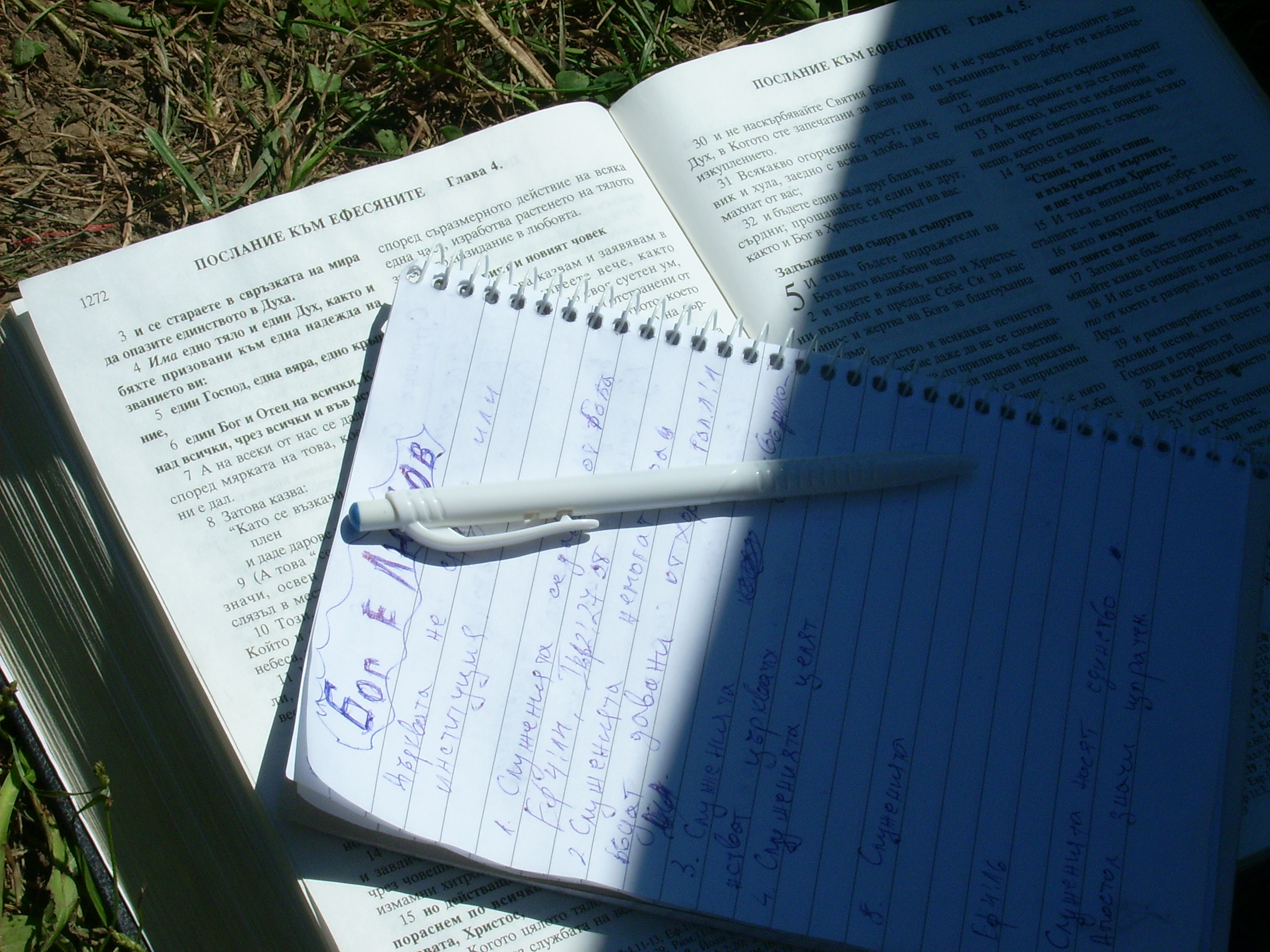
We were able to teach the morning sessions, a total of six lessons from the Epistle to Ephesians, using our new translation of the Bulgarian New Testament, which is currently in print. Topics like salvation, sanctification, baptism of the Holy Spirit, family relationships in the ministry and spiritual warfare sharpened the minds and hearts of the young people, preparing them for the afternoon sessions which focused on the practical issues of Christian ministry.
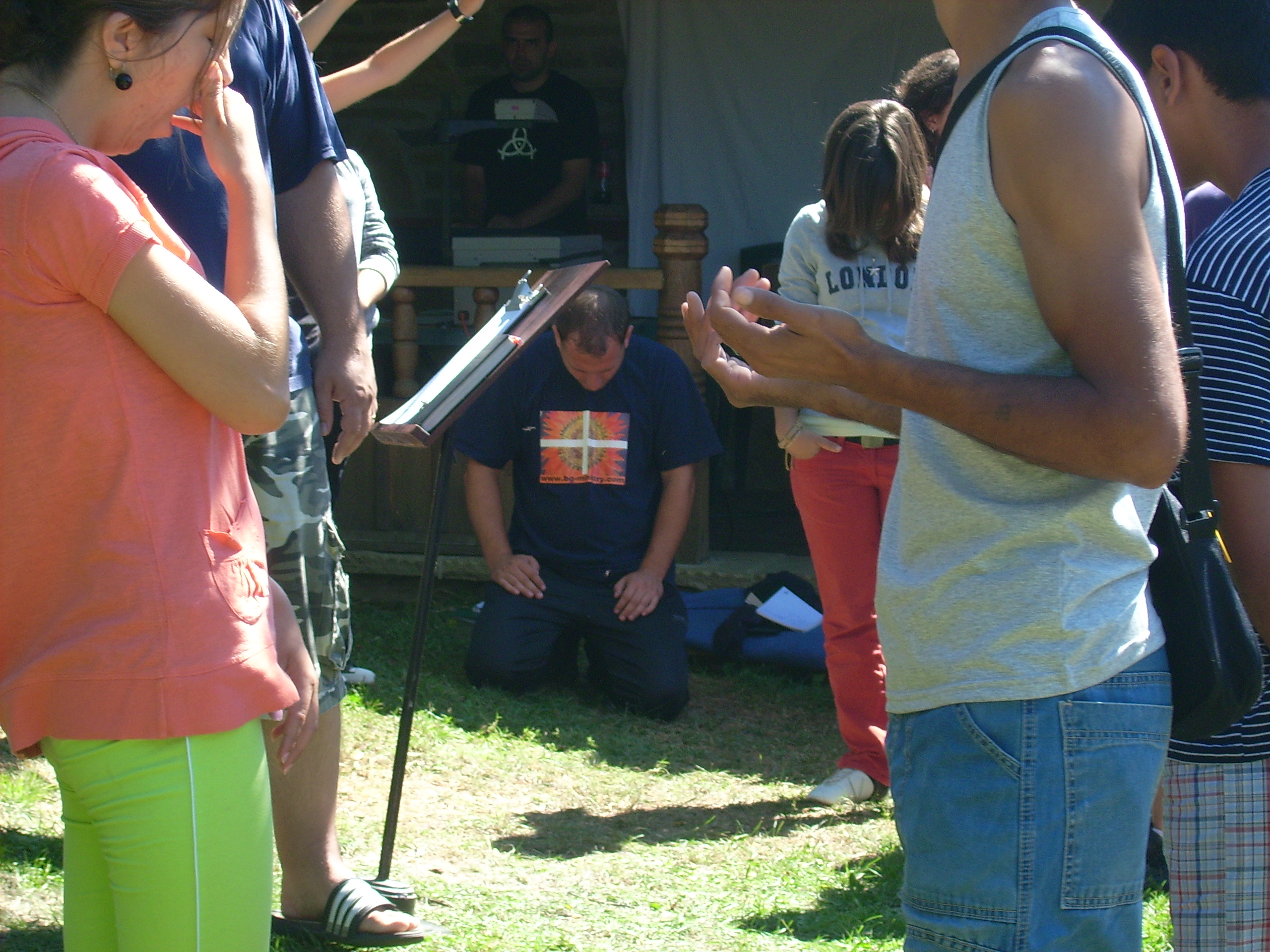
In the afternoons the campers broke up into smalls groups which focused on three aspects of the ministry, as follows: preaching, prayer and worship according to their ministry calling. It was during the small groups that we were able to work more personally with the youth specially called to preaching the Gospel. The service on Ephesians chapter 4, when we taught on the ministry of the church, was specifically powerful and as a result some 30 young people received the call for ministry or a confirmation with the special laying of hands by the elders present. Several water baptisms and a baptism with the Holy Spirit followed the service.
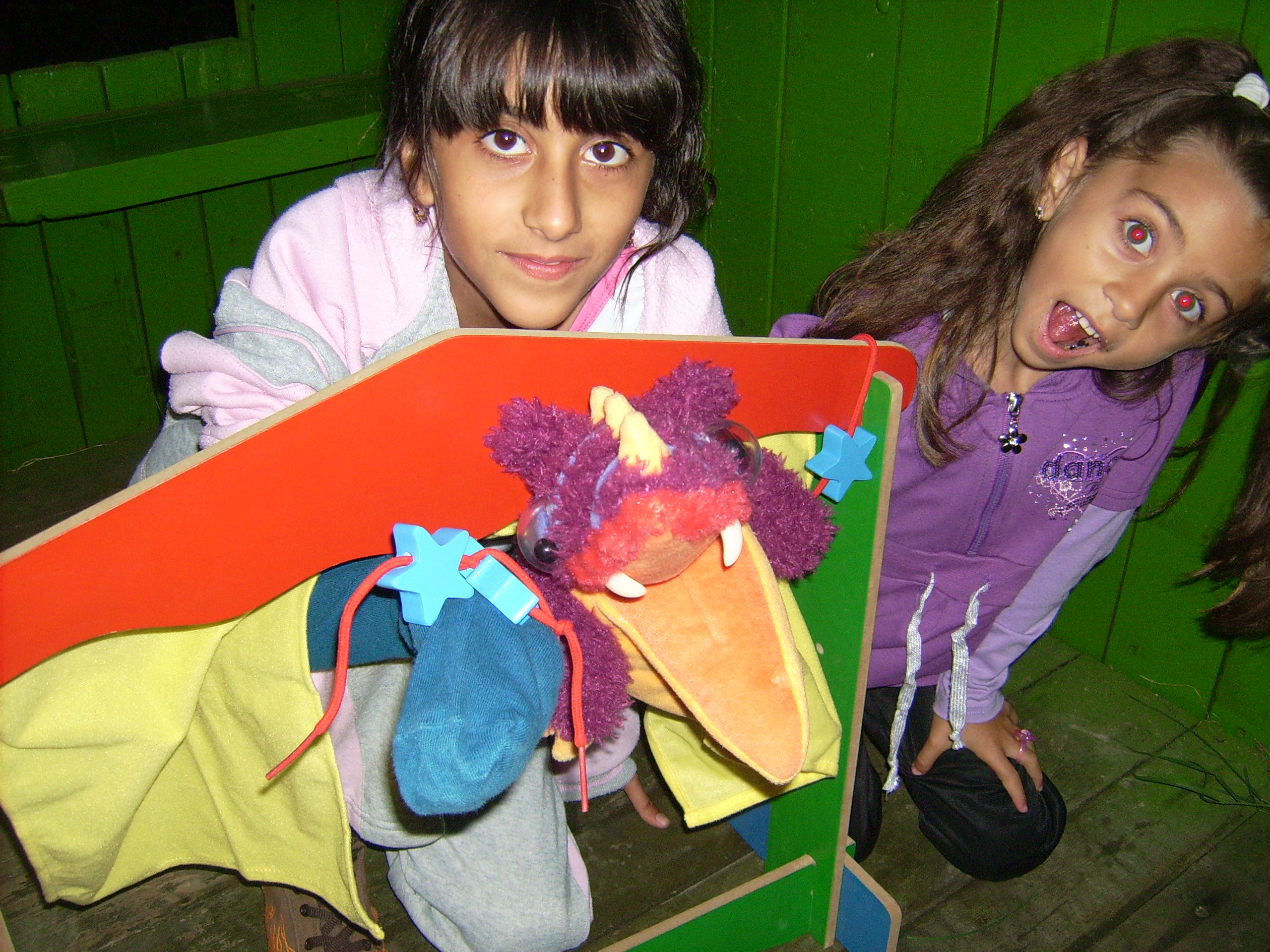
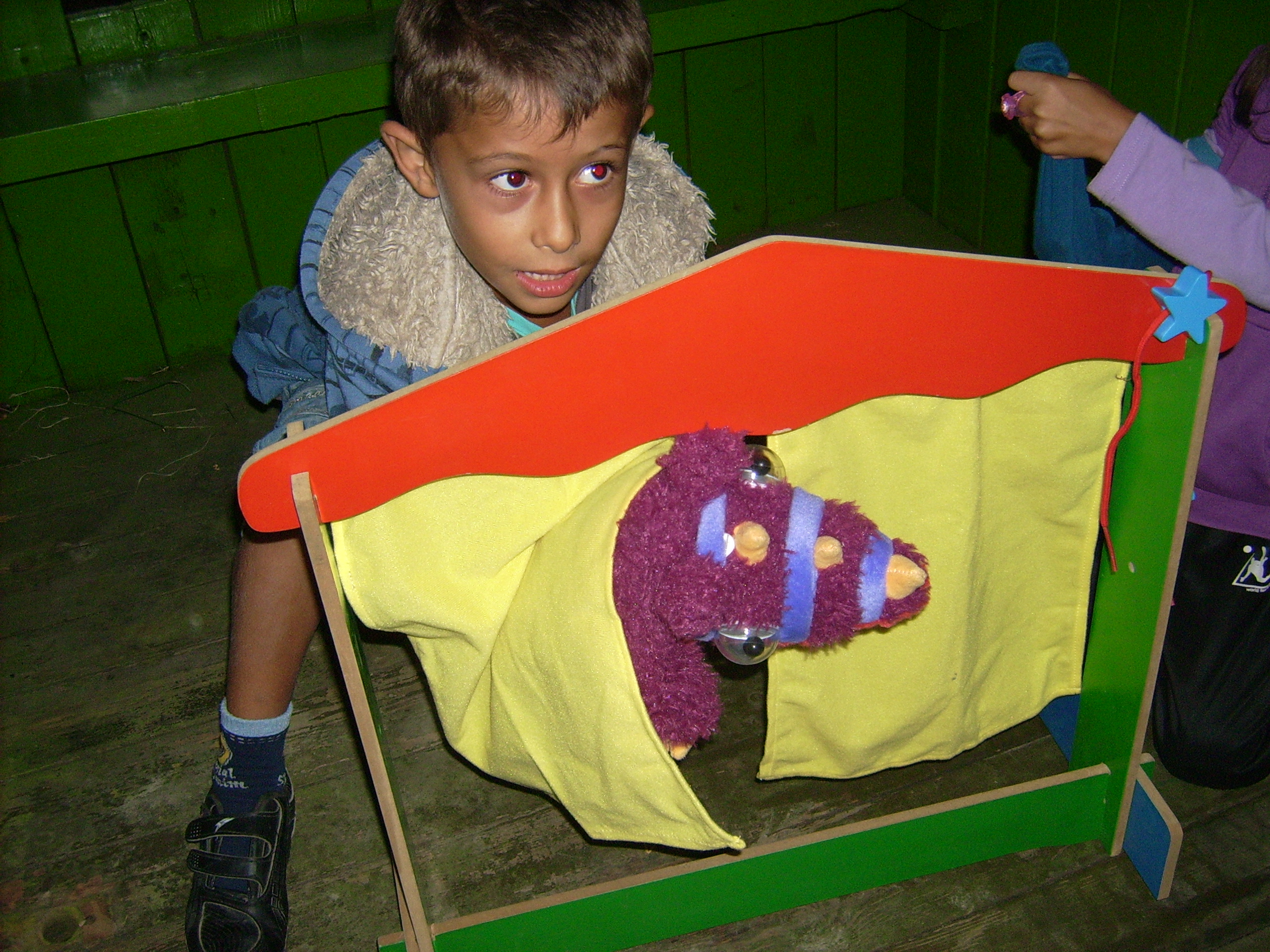
Pastor Anton, was aided in the evening sessions by Pastor Encho Hristov from the Sliven church who ministered on Tuesday night and guests from Greece ministered during the closing service on Wednesday evening. We were also able to minister with puppets to the children that were present at the camp as guest from surrounding villages and towns came for the evening service from the Church of God in Mokren and Zheravna. Praise teams from the Yambol and Kotel Assemblies of God churches provided the music for the camp.
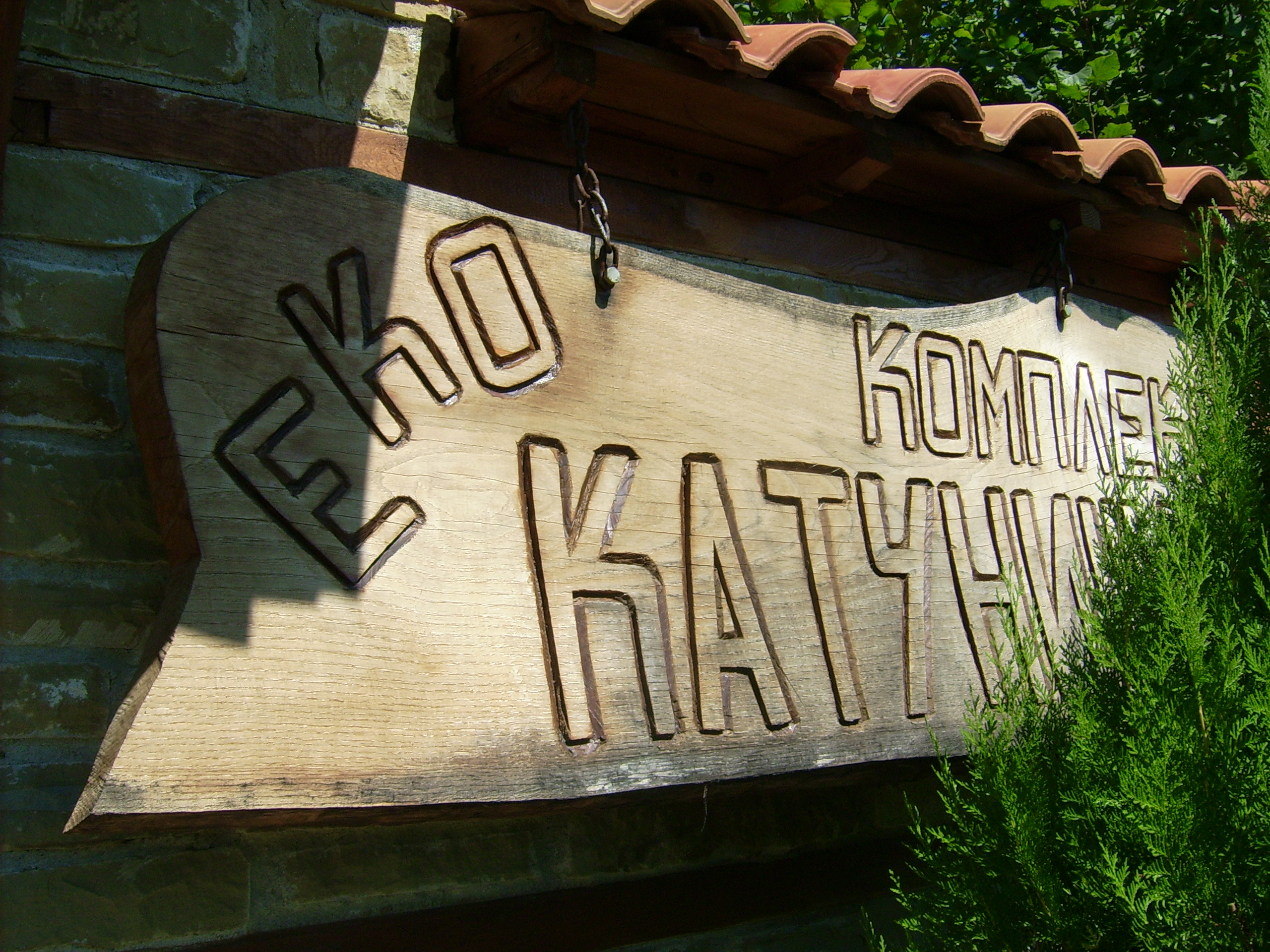
We thank all of those who made this camp a success and extend a special thanks to the Eco Complex in Katunishte for graciously hosting our event and allowing us to use their facilities. We thank the Lord for this great opportunity as our team is already receiving reports of healings and miracles. A lady from Sliven, whose daughter was deaf in one ear, just wrote us that her daughter was healed during the service last night. We are hoping to be able to do a follow up in a couple months down the road with the people who dedicated their lives to the ministry.

































Investigating Ireland
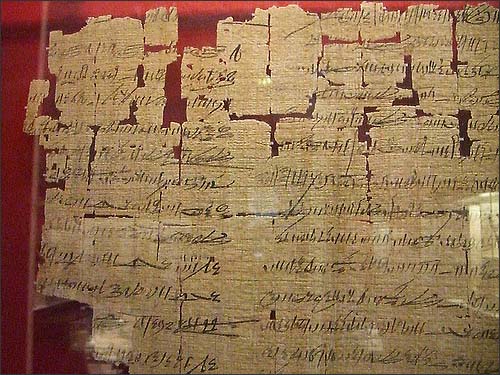
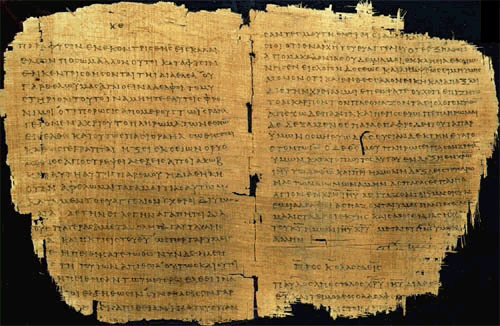
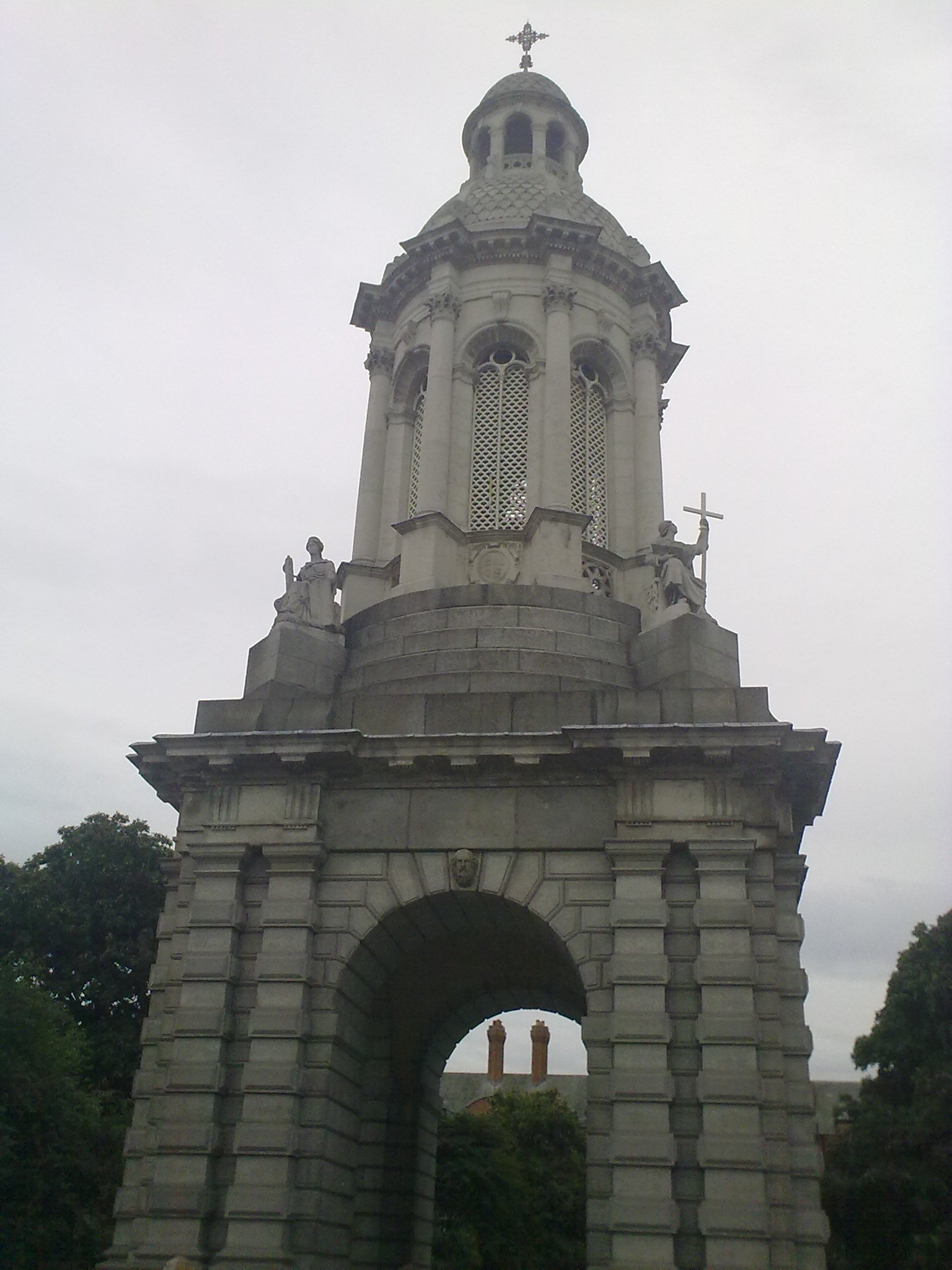
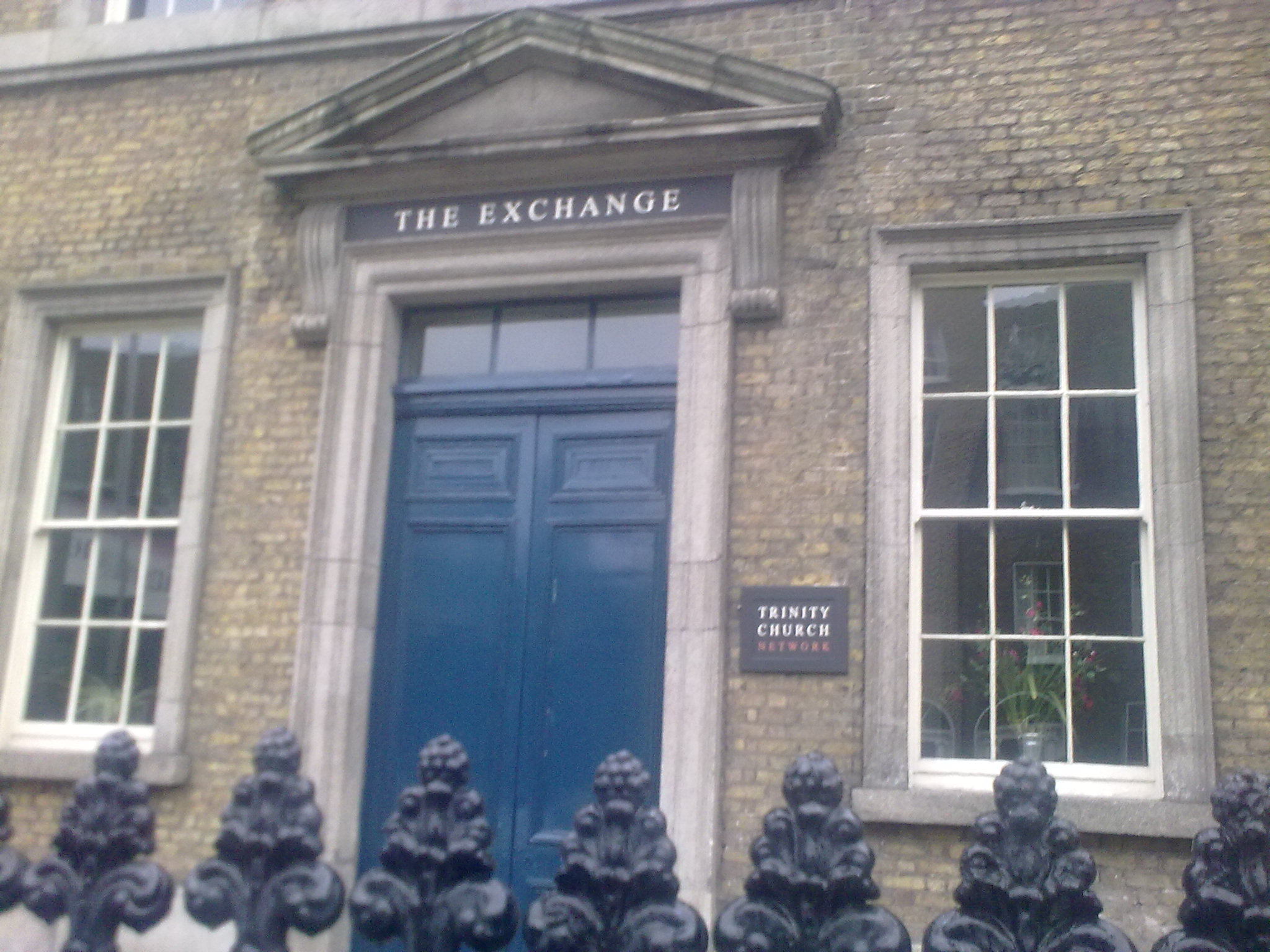
Back in 2006, while presenting a paper on the Story of the Bulgarian Bible at the Evangelical Bible Society in Washington, D.C., we were invited to visit an exposition at the Smithsonian that was showing, among other ancient writing, the Codex Sinaiticus. To stand by this most ancient holistic text of the Bible, that so many hands through history have beheld with reverence, was an experience that is hard to describe. Fortunately, only a few months after our observation of the text, the University of Leipzig in Germany finished its long-overdue project with the text and its digital representation was made available to all via the internet. But just recently, we were privileged to take a research trip to another, yet older and more revered Bible text, namely the Chester-Beatty papyri in Dublin.
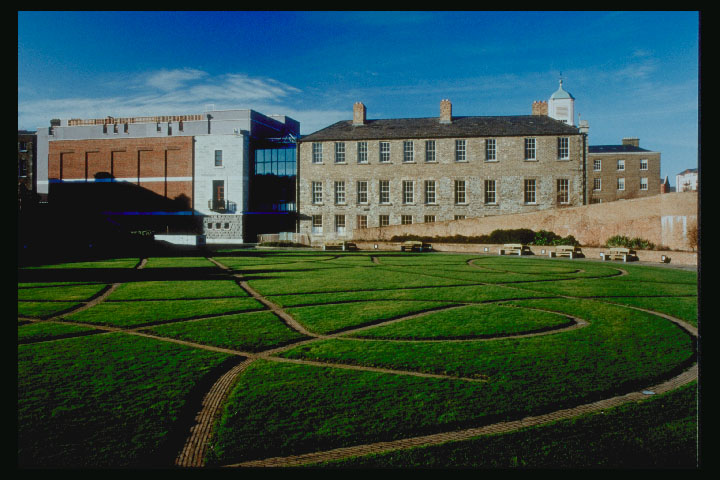
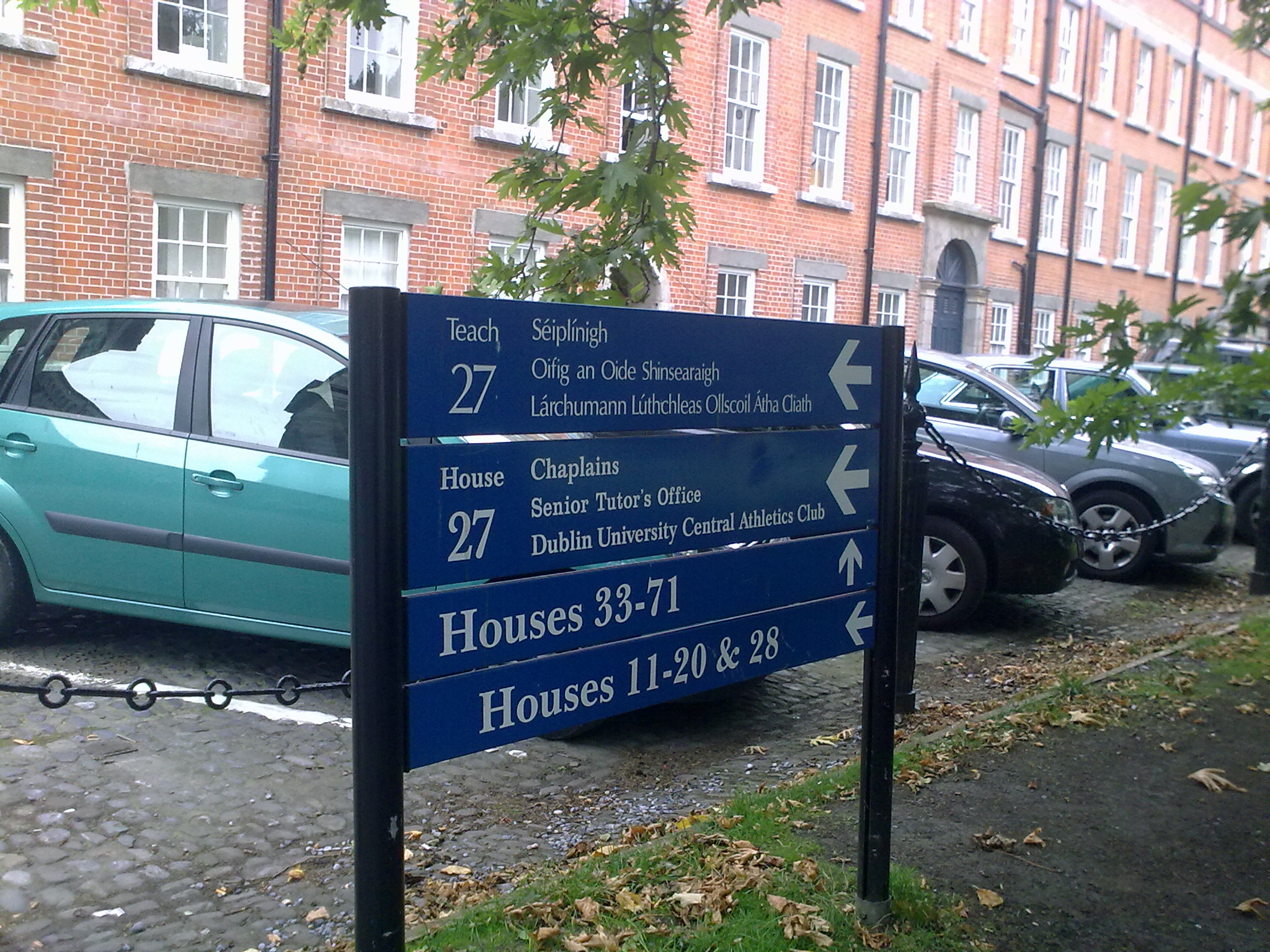
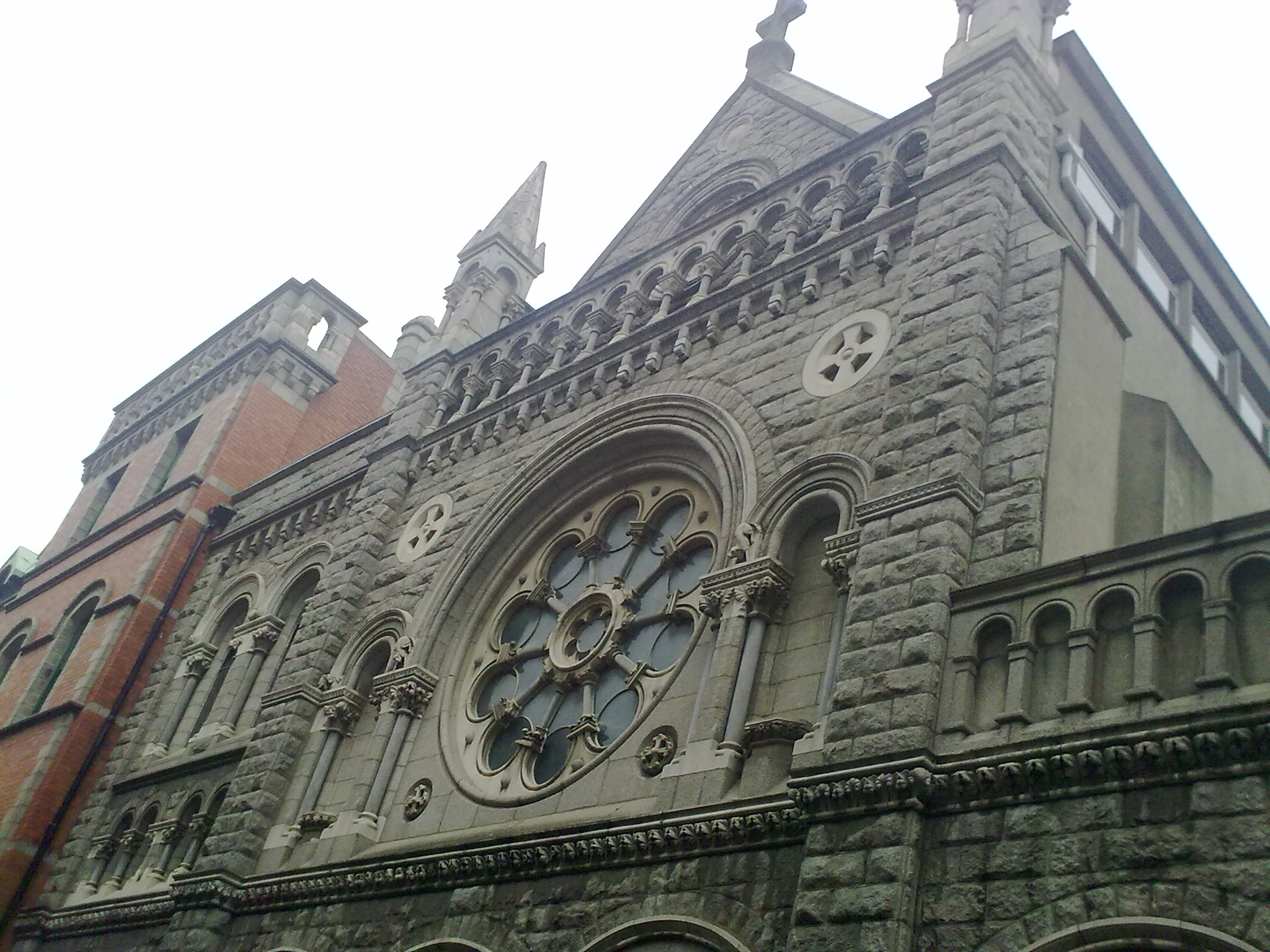
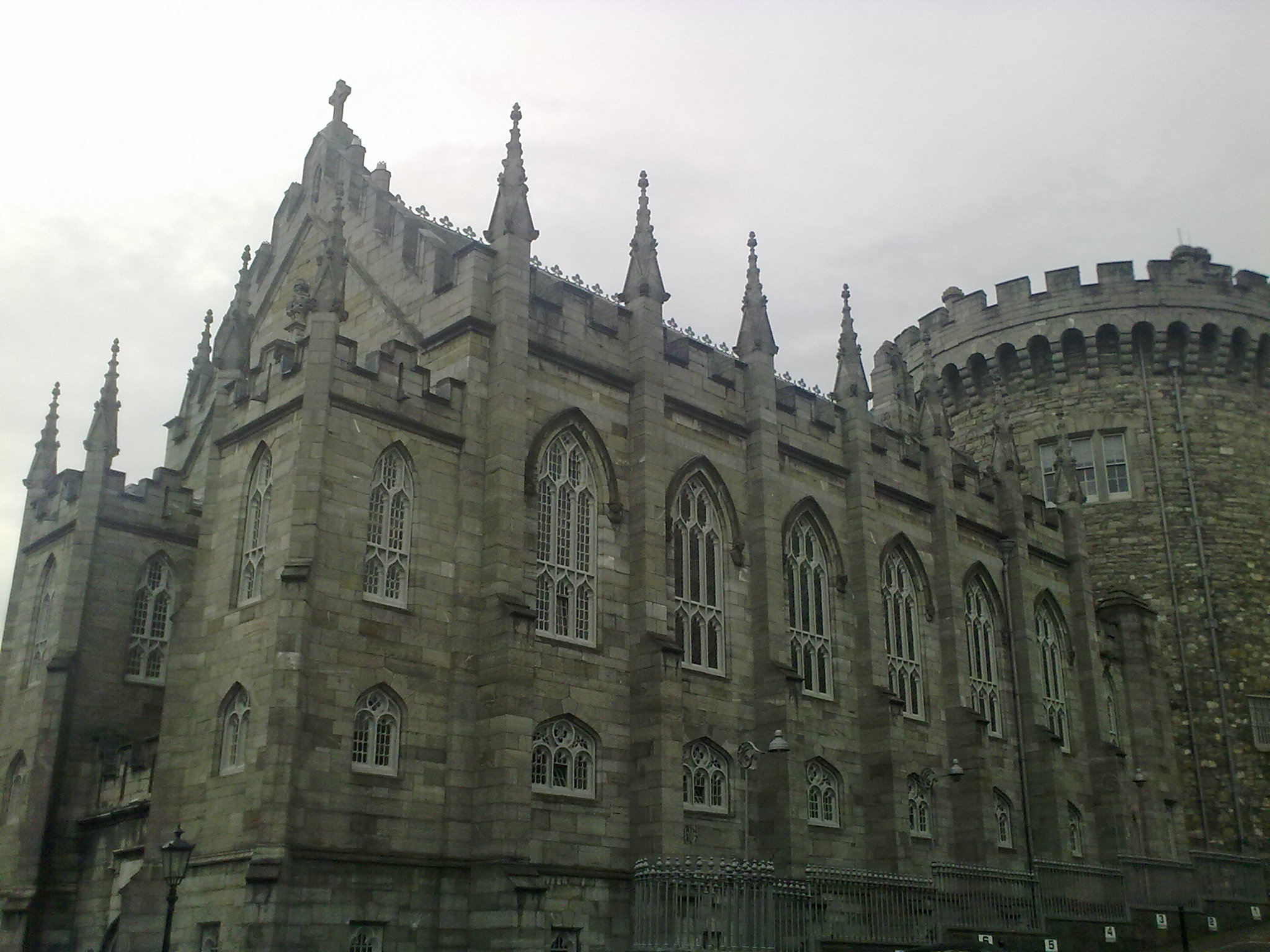
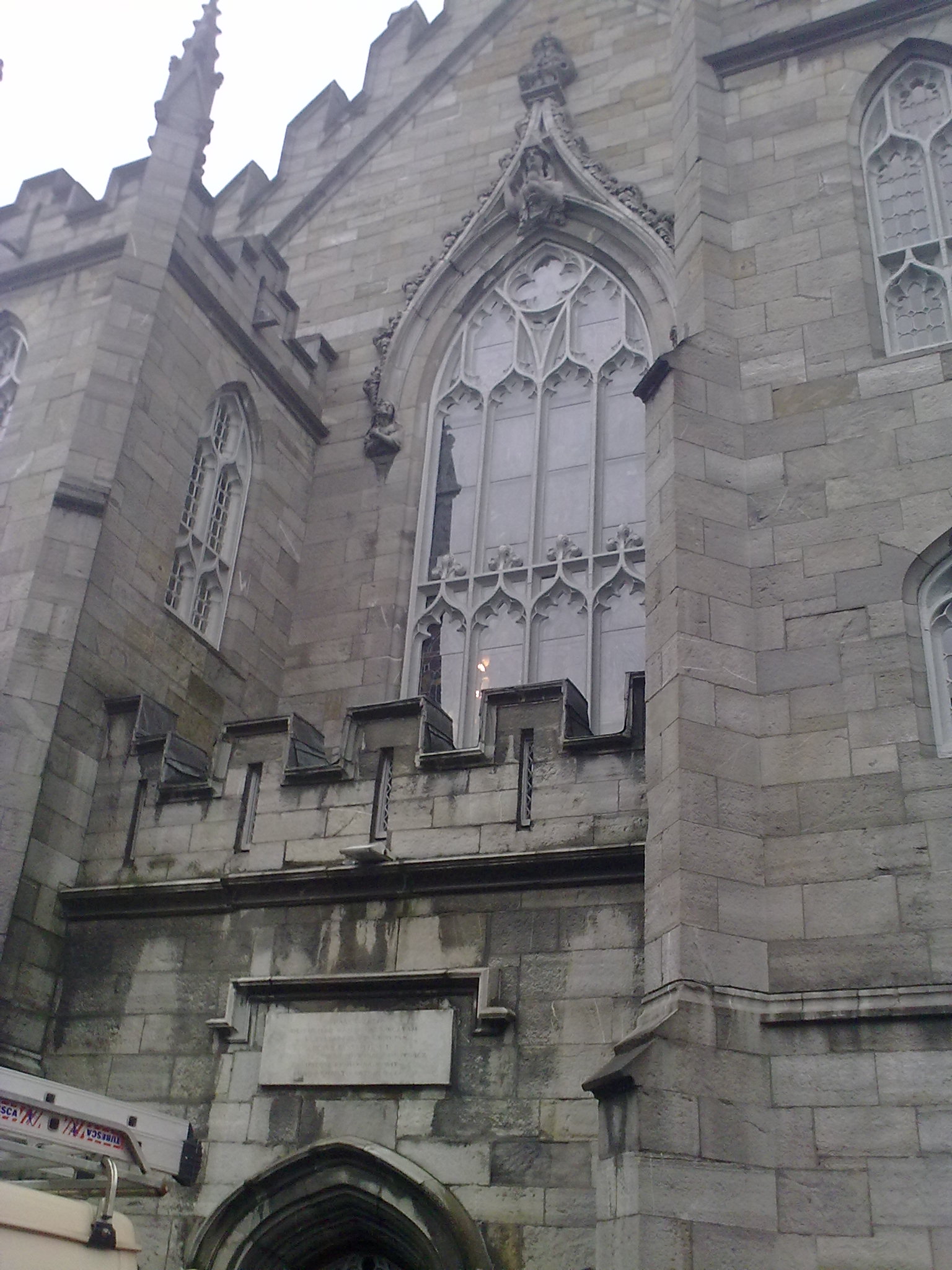
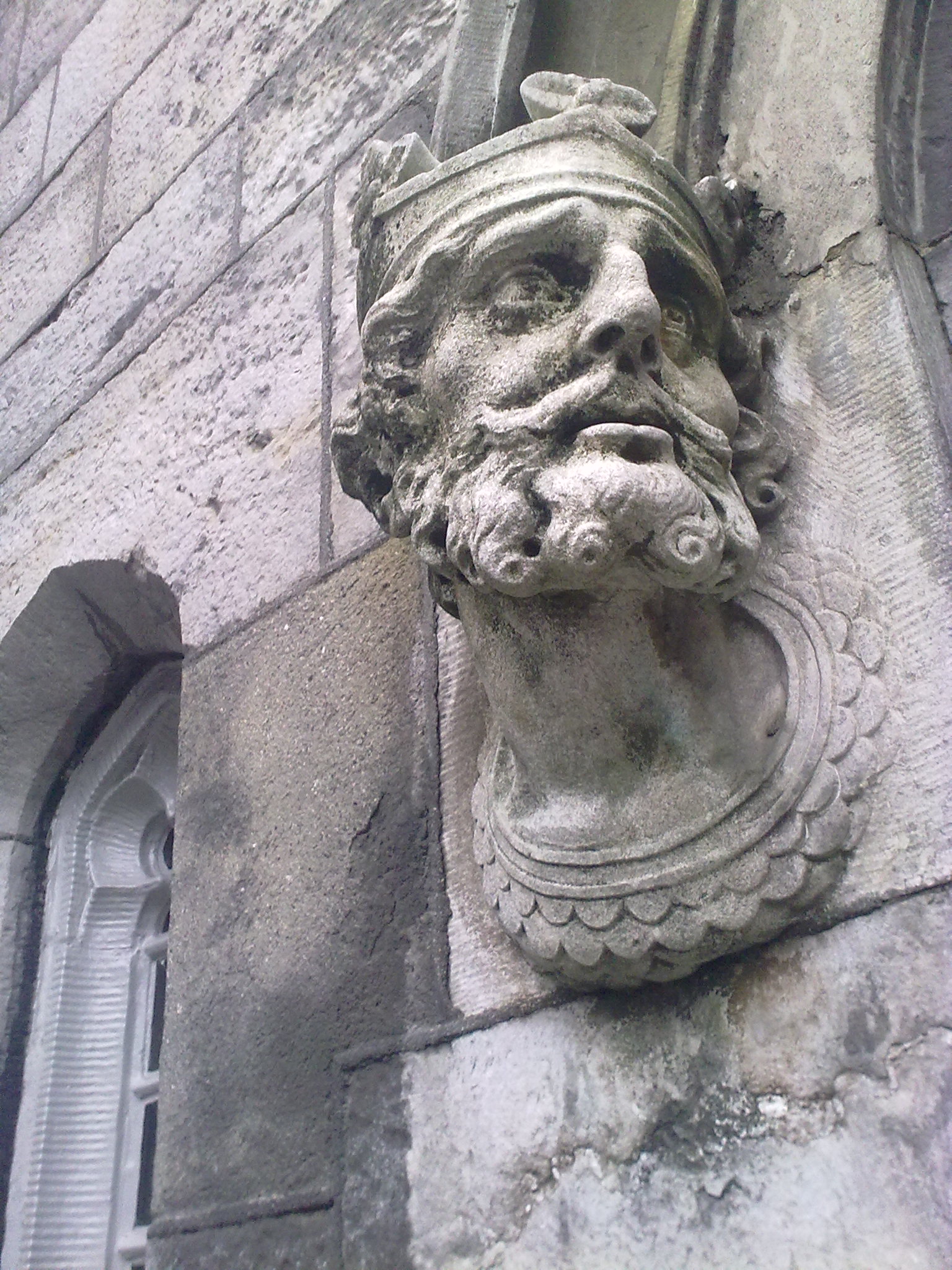
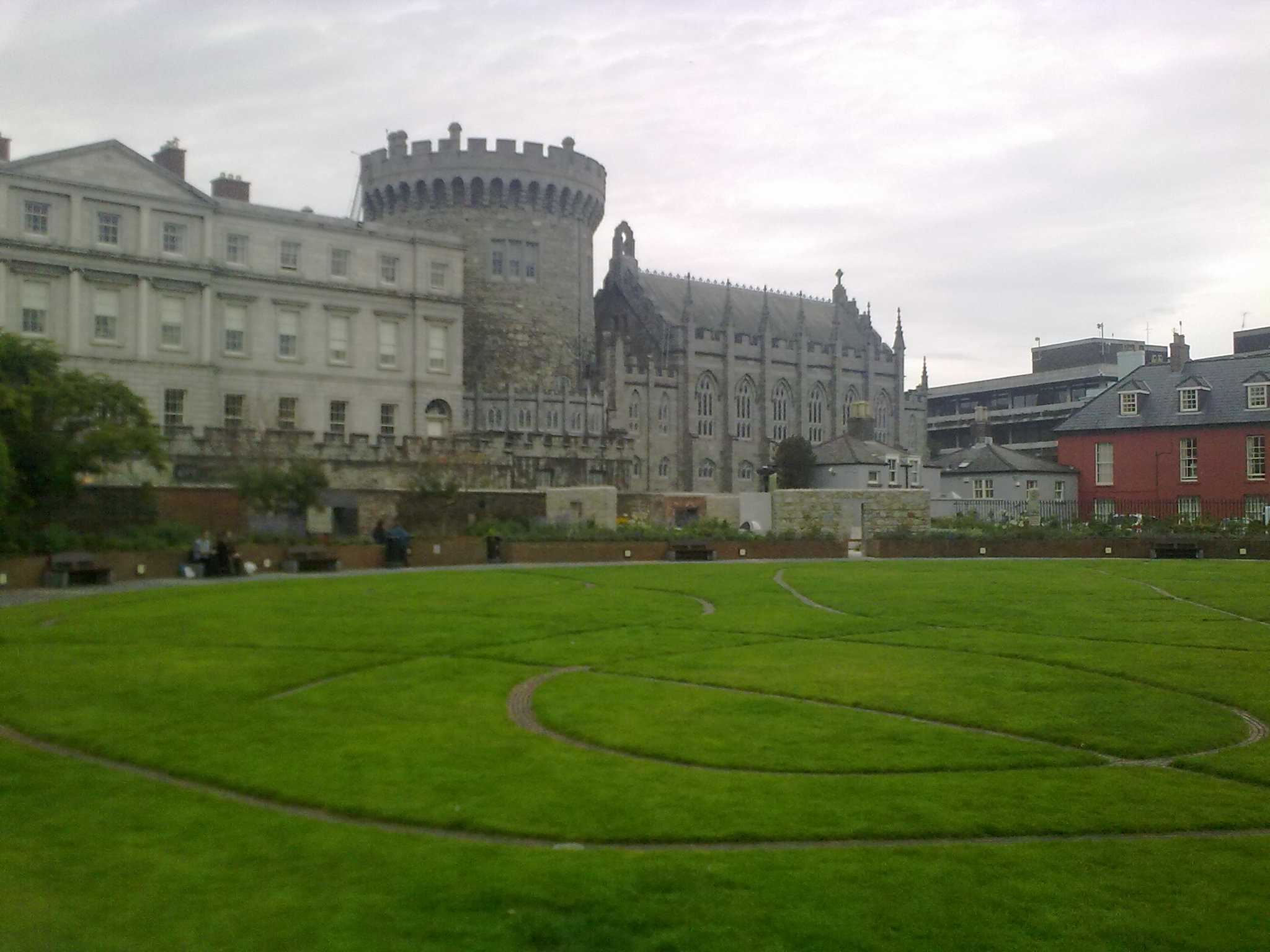
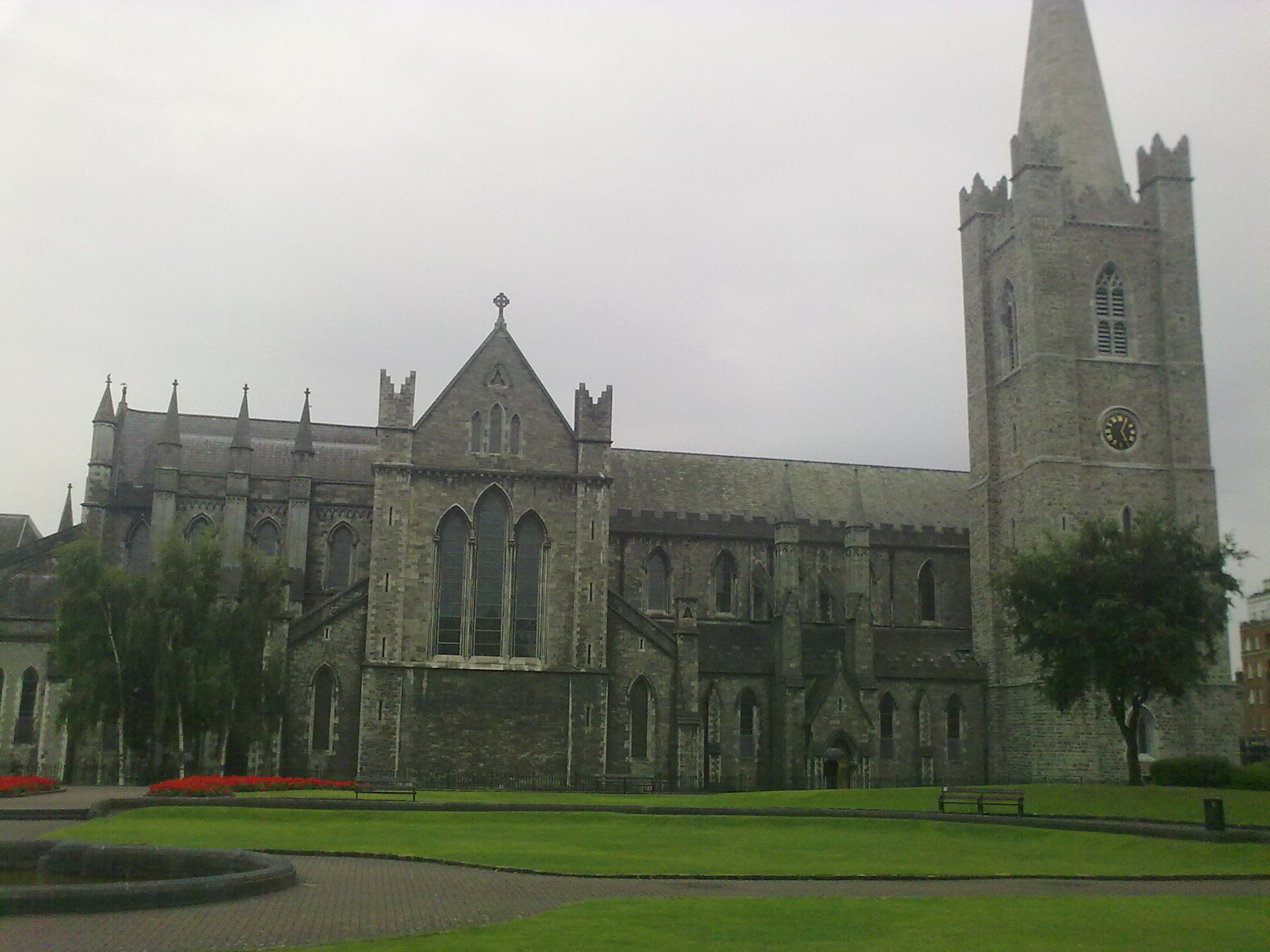
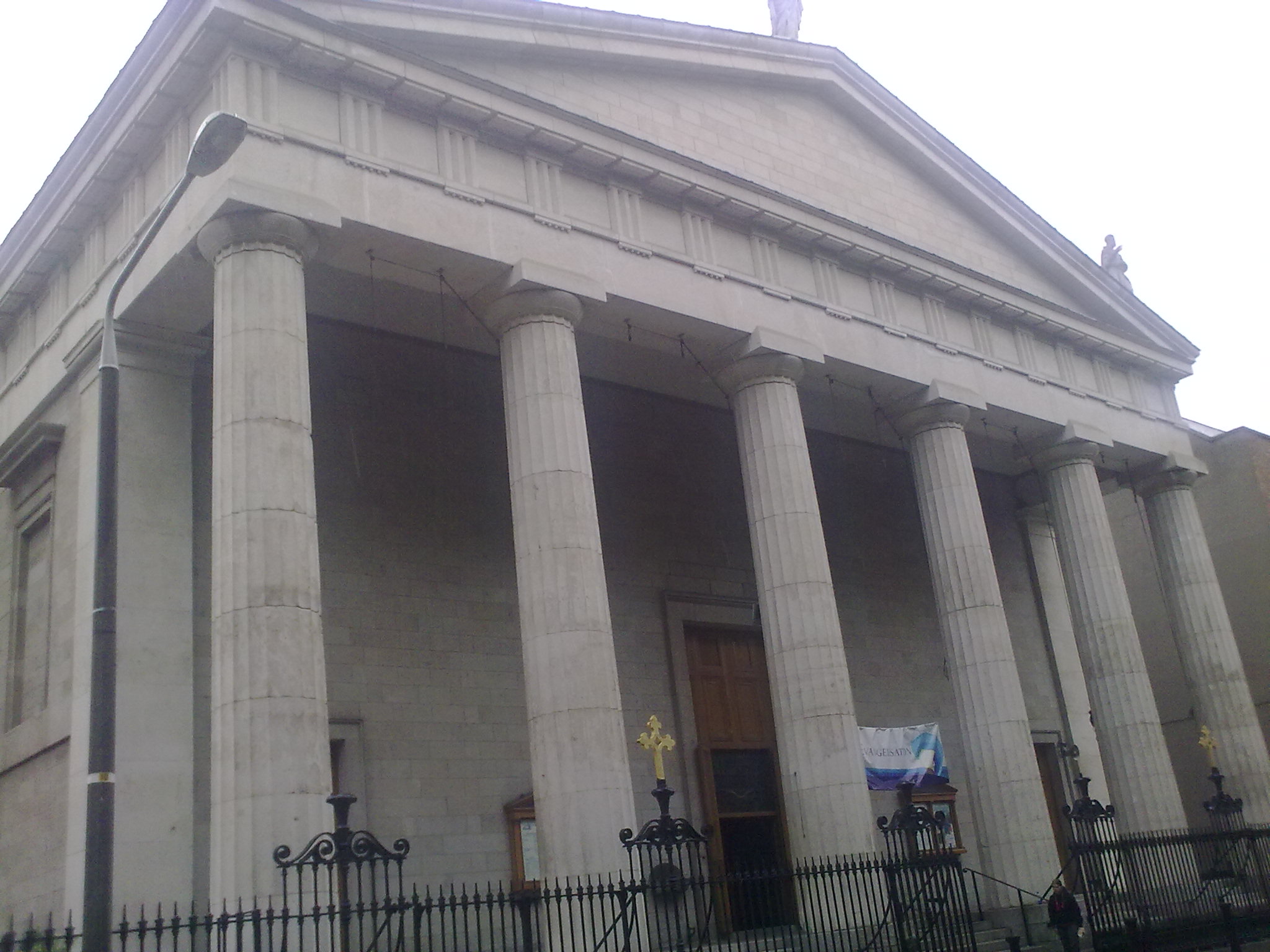
What a person is most surprised of while visiting the Chester-Beatty library is how easy it was to find and access these ancient writings. Starting at the heart of Dublin, one goes south toward the river on O’Connell Street by the big statue of the famous Irish politician and patriot Daniel O’Connell. After crossing the river on the O’Connell Bridge by Abbey Theater, you will reach the infamous Trinity College and the House of Lords by the Bank of Ireland. The Dublin Castle is less than a mile walking up the hill west on College Green and behind the castle, by the uniquely shaped garden, is the Chester-Beatty library. Right next to the castle is the City Center, across the street is Christ Church Cathedral and just a block away is the St. Patrick’s Cathedral.
The Chester-Beatty papyri of the New Testament are displayed in the center of a magnificent exposition of ancient writing on the second floor on a pyramid shaped platform. A closer look at the papyri surprises the observer with their miniature size (only as big as an iPhone). The color of the pages has darkened through the centuries of their history to a dark almost brownish ocher. The small font of the equally justified text has faded to brown. Since the papyri were bound as a codex, instead of the traditional roll format, they are badly burnt at the end of the pages and in the center where the pages were attached together.
Three of them, marked P45, P46 and P47, are specifically important to the subject of New Testament criticism being the oldest copies of the New Testament dated at 200-250 AD beside P52, which is dated around 150 AD. In 1931, the director of the British Museum, Sir Frederic Kenyon reported for The Time that their discovery of the Chester-Beatty papyri is only next to the Codex Sinaiticus.






Recommending Dr. George D. Voorhis’ New Book
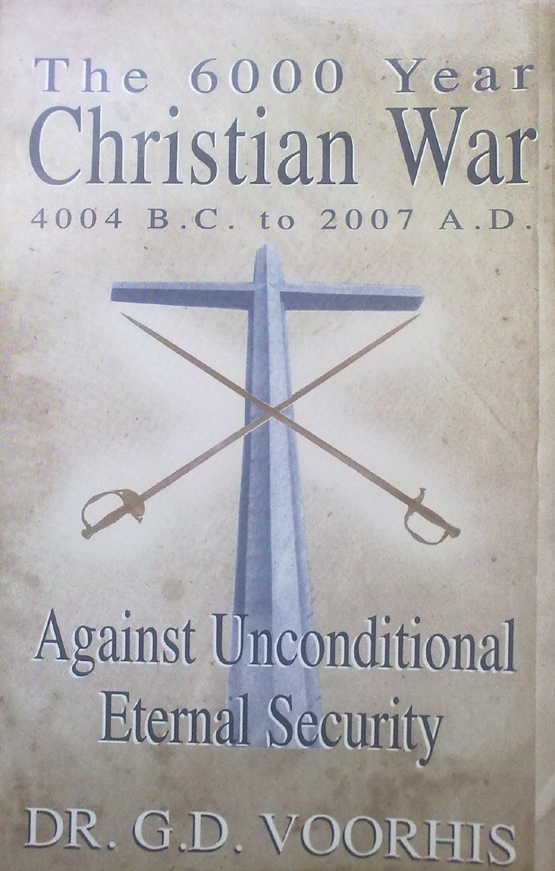 After studying theology for 11 years on a graduate level and practicing theology in the ministry for over 20, I have finally found the textbook of Arminian faith, rightly dividing and soundly presenting the truth of the Bible – that God’s will was to give man a choice to be saved to eternity or be lost to hell.
Dr. George D. Voorhis founder of East Coast Bible College and one of my favorite professors from my early college years has presented his work of many years under the title: The 6,000 Year Christian War (4004 B.C. to 2007 A.D.): Against Unconditional Eternal Security. This book of over 400 pages takes the Calvin-Arminian argument from every angle possible and once and for all puts it to an end. The best part of the whole story is that Dr. V, as he is know among his students, beats Calvinists with their own arguments; and beaten at their own arguments, they just cannot argue them anymore.
The book presents the foundation of Calvinism, Calvin’s own writings and their developmental failure as theology. A detailed outline of scripture follows with their respective exegetical and apologetic interpretations. No scripter that has ever been quoted by Calvinist in support of Eternal Security is left unanswered. All are rightly divided and properly interpreted to show their right meaning. Four groups of scriptures are categorized in defense of the doctrine of human free will: (1) Bible statements warning of punishment in case of backsliding, (2) the scripter’s of human will going against God’s will, (3) the Bible stories of saved men and women who backslide and (4) the “if” statements of the Bible. At the end, the book presents the story of Jacob Arminian and his theology, which through the use of Wesleyan praxis became the foundation of the holiness-renewal movement and modern day Pentecostalism.
The conclusion of the book is simple and everyone can understand it. God gave men and women free will to make their own choice on the salvation which He offers freely. If you backslide before Christ returns, you fall for eternity. This is not to be interpreted as self-righteousness, but faith which produces fruit as the Bible commands. And something more: people who use eternal security to live their lives like the devil, can be secure that they will spend eternity in hell if they do not repent.
I give my highest recommendation to every Christian who is seeking wholeheartedly the will of God for his/her life. If you want to practice theology in a pluralistic society, reading this book is a must.
Chaplaincy in Bulgaria
- Chaplaincy Conference and Master’s of Chaplaincy
- Chaplaincy Course in Yambol, BULGARIA
- Bulgarian Chaplaincy Association Annual Meeting
- Family Seminar for Military Men and Women
- Cup & Cross Ministries in Church of God Publications
- The Case of a NATO Chaplaincy Model within the Bulgarian Army
- 10 Years of Military Ministry in Bulgaria
- Bulgarian Chaplaincy Associations Recognized by U.S. Department of State
- National Chaplaincy Conference
- Bulgarian Chaplaincy Association Gains Legal Status
- Chaplain Dees Visits Bulgaria
- Chaplaincy Course at the Bulgarian Evangelical Theological Institute
- Bulgarian Chaplaincy Association
- Meeting the NATO Chaplain
- National Chaplaincy Meeting
- Chaplaincy Developments in Bulgaria
- U.S. Bases in Bulgaria
- National Chaplaincy Meeting
- Chaplaincy in Bulgaria
- HEALTHCARE CHAPLAINCY IN BULGARIA
- Chaplaincy in Bulgaria
- Mission Bulgaria
At North Greensboro Church of God
Write the Vision …