A Summer of Serving: Bringing Hope and the Gospel to Appalachian Communities
by Cup&Cross Ministries, Intl.
Growing up in the Appalachian Mountains has made ministry to this region deeply personal. The people and the challenges faced by rural families are not distant realities to us as humble messengers of the Gospel. Because of our commitment to honoring the dignity of every individual, we have never been a ministry that uses images of poverty or vulnerable children to raise support. For ethical reasons and out of respect for the families we serve, this report will be presented through words rather than photographs.
This summer, we have been blessed with numerous opportunities to minister throughout the rural communities from Tennessee to North Carolina. Each opportunity has been a reminder that ministry is often found in simple acts of compassion and being open to the tug on your heart to act where and how He commands. Our summer outreach began with an invitation to participate in a community event held at the county courthouse, where we helped provide shoes, school supplies, and food for more than 150 children. This initial partnership opened the door for further ministry involvement, including helping prepare and pack more than 300 ministry bags filled with Bible devotions, crafts, and resources designed to encourage children spiritually.
Following, we partnered with a local Baptist church to distribute vitamins we donated to children participating in their summer program. This was an unplanned event that from start to finish literally happened within 24 hours. For many families, basic health resources that we often overlook are difficult to afford. These moments remind us of the many blessings we experience each day and the importance of sharing those blessings with others.
Through the Cup & Cross Homeschool Network, we were also able to provide homeschool curriculum and educational resources to families within our community. Supporting parents who are committed to educating their children while strengthening their faith continues to be an important part of our mission. And during this election season, we have had the opportunity to engage with several candidates and community leaders to raise awareness about the importance of homeschool independence, parental rights, and educational freedom. Building upon these conversations, we continued advocating for families and strengthening relationships with local leaders which is apparent by Cup & Cross successfully working with the county commissioners to adopt our county as the first homeschool sanctuary in the Nation. We also are continuing to serve in the Summer Serve Project of the First Lady of our State as well.
Throughout the summer, we have also had the privilege of volunteering with several local churches during their Vacation Bible School programs and three week-long summer camps one of which was personally hosted to teach the Eastern European community in our area. These opportunities have allowed us to invest directly into the next generation by teaching children the Word of God and building relationships within our community which is so important to us. Jesus did ministry by “walking around” and it is one that should not be overlooked.
Our passion for reaching children with Biblical truth throughout the summer led to a unique divine connection beyond our local area. We traveled to North Carolina to minister to children within the Cherokee community of the Eastern Band of Cherokee Indians, the only federally recognized Native American tribe in North Carolina. This opportunity allowed us to share the love of Christ with our actions while learning from this historic community.
As we look ahead, we ask for prayer that God will continue to open doors and provide favor so that this relationship may grow and develop over the coming months. We are grateful for every opportunity to serve, knowing that even the smallest acts of kindness can become powerful expressions of God’s love.
“And let us not grow weary of doing good, for in due season we will reap, if we do not give up.” – Galatians 6:9
3 Sources of Spiritual Power
We need to have a spiritual awakening – we need a new power from God – the power of the Holy Spirit in us today, as on the Day of Pentecost! But the key which will release that power into our lives now is a new level of faith in Jesus Christ!
In Matthew 17, when Jesus’ disciples failed to cast out the demon from the epileptic boy and then asked him why, He rebuked them for their unbelief, ‘If you have faith as a grain of mustard seed, you shall say to this mountain, remove hence to yonder place and it shall remove’, AND AFTER IT DOES, ‘nothing will be impossible to you!’ (Matthew 17:20). What a challenge – while I was preaching this, God showed me the hidden key!
Unbelief brings failure: Jesus rebuked His disciples because they did not have the faith to do what they had to do – they had been given a specific job and when they were left to do it, they failed! Jesus spoke to them very strongly. Because they knew that they had failed publicly and He had rebuked them openly, they came to Him privately to ask what had gone wrong, in those immortal words, ‘Why?’ – ‘Why could we not cast out this spirit and heal the boy?’
Faith is the KEY: There is something hidden here. Yes, Jesus said in answer to their question, ‘If you had faith… you could move mountains.’ But the real secret of power is hidden. We get stuck at the thought that mortal man could move anything bigger than himself! We agonise over the reality of moving that mountain – call our friends to stand with us in believing prayer – because this mountain is proving harder than we thought to move. Then when it happens – that miracle, that healing, or financial solution – we become so excited (as I experienced so many times personally), that we drop the real key down the drain in our excitement!
The disciples had missed the opportunity of releasing the greatest power into their lives – Jesus was putting a key in their hands, and if they would only use this key, their lives would never be the same again! For me, searching and hungry for more of God’s power in my life, I saw what I have been waiting for – THERE IS A SPIRITUAL ‘REGION BEYOND’. Do you want more of God – a fresh bempoweremnt by the Holy Spirit? Whether you come alone, with friends, or as part of a church group, we invite you to be part of this significant day:
- A Day to Release the Full Power of the Holy Spirit.
- A Powerful Day of Impartation, Worship and Revival.
- Come expecting a fresh touch from Heaven, to be filled with the Holy Spirit.
We have 3 Sources of Spiritual Power: The Holy Spirit, prayer, and the power of the blood…
Bezmer Residents Launch Petition Against U.S. Aircraft Deployment
Residents of the Bulgarian village of Bezmer have launched a petition opposing the deployment of American KC-135 tanker aircraft at the nearby military airbase, saying they fear the move could make the region a potential target because of tensions surrounding Iran.
The initiative was announced by Bezmer Mayor Rosen Rusev, who said support is already spreading to neighboring villages in Tundzha Municipality and across the Yambol region. The campaign follows the approval by Bulgaria‘s Parliament and government of a U.S. request to station up to eight American tanker aircraft and up to 250 military personnel at the Bezmer Air Base.
Local residents say their main concern is that the aircraft could be used for logistical missions connected to the conflict involving Iran, increasing security risks for nearby communities. “People in the village are worried because there are no clear guarantees for the security of the settlement itself,” Rusev said. “We hear that Iranian missiles can reach a target within minutes, and we do not know what system could intercept them because Bulgaria does not have modernized equipment capable of stopping such missiles.”
The petition has already been joined by the mayors and residents of Kozarevo, Malomir, Bolyarsko and other nearby villages. Signature sheets have been placed in municipal offices, shops and other public locations, with organizers planning to collect signatures until Friday. The document is expected to be submitted to the National Assembly, the regional governor of Yambol, the mayor of Tundzha Municipality and Defense Minister Dimitar Stoyanov during his scheduled visit to the region. The mayors of municipalities across Yambol Province have also prepared a joint position on regional security.
According to Rusev, support has grown rapidly. “In just one commercial establishment we counted around 100 signatures in a single day. There are several more collection points, so I believe there are already between 300 and 400 signatures, and the number is continuing to rise.” He acknowledged that residents understand the petition alone is unlikely to reverse the decision, but said some have also organized a protest outside the airbase scheduled for Friday evening.
The mayors of neighboring villages said they are hearing similar concerns from local residents. Bolyarsko Mayor Vanya Peeva said, “People follow the news and understand what is happening. The concerns are serious.” Roza Mayor Roza Encho Yorgov added that nearby villages fear they could become collateral victims if the airbase were ever targeted. “Residents believe that if anything happens at the airbase, neighboring settlements could also suffer from a conflict that we ourselves are entering,” she said.
Residents interviewed in Bezmer expressed fears that their village could become a military target. Some said they have no objection to the presence of aircraft or international military exercises, which have long been held at the base, but view the current deployment differently because they believe the tankers could directly support operations related to the Middle East.
“We are worried because Bezmer is becoming a target,” one resident said, while another added, “We don’t want them here. The whole village doesn’t want them.” Others argued that Bulgaria should avoid involvement in conflicts that do not directly concern the country. Several people said they were prepared to escalate their actions through protests, road blockades and civil disobedience if necessary.
Reports indicate that thousands of people have now joined the petition, while the first American tanker aircraft are expected to arrive at the airbase on Friday.
Defending the government’s decision, Progressive Bulgaria MP Yavor Gechev said the deployment serves Bulgaria‘s national interests and fulfills the country’s NATO commitments. Speaking on Bulgarian National Television, he noted that the presence of American military aircraft in Bulgaria is not unprecedented.
“Previously, American aircraft were stationed at Sofia Airport. Now they will be where they belong – at a military airbase,” Gechev said.
He stressed that Bulgaria is not at war with Iran and wants the conflict to end, but argued that refusing the request could damage relations with the United States, which he described as one of Bulgaria‘s key strategic partners. “These are strategic decisions. If we reject this cooperation, we risk worsening our relations with the United States, and that would also have economic consequences,” he said.
Gechev acknowledged that some supporters of the governing majority disagree with the deployment but maintained that decisions involving national security require a broader statesmanlike approach. He declined to comment on speculation linking the deployment to other diplomatic or economic issues, saying not every aspect of diplomacy can be made public.
VBS for Adults

For reasons obvious to most of our readers, I was able to attend no less than 10 (ten) VBS/Kids crusades this summer. Seven Baptist, several Pentecostals and a Methodist one.
The themes ranged from jungle journey and the Lion King to giddy up cowboys and cowgirls and world/planet/time travelling. All cool themes with lots of props and much careful preparation all in the name of bringing the Good News to the little ones. A noble cause truly worthy of any expense and labor for any church out there.
Time and length ranged from one whole day or one evening service to three nights and even several week long ones. For most of it, the ones held in most Baptist churches were designed by LifeWay and were well structured with kids constantly moving from station to station. The rest were somewhat free style, but still designed with the expectation of lots of children attending. In between each module there was candy, snacks or even a full blown supper.
The location of each VBS and the way it was designed for the crowd flow made the initial impression important. Signs welcoming and directing newcomers were grate, but the friendliness of the people made up for less signage and more human touch. Registration was a must and parents’ preferences were not taken lightly. The decorations of each room helped the children adjust to the new setting and work through the set curriculum. And yes, lots of kids made lots of mess so cleanness in class rooms, play areas and bathrooms were tended to. Some churches had a designated team that made sure the facilities were clean for the next group. And where cleanness was not intentional, it was observed that many parents did not return with their children.
Most VBS programs were designed around age groups. Some included even classes for toddlers and several had adult classes too. The ones that did not, included a family night toward the end of the week for parents to attend. A family night was a great feature for parents who did not attend but dropped their kids every night and picked them up afterwards. They were addressed with materials and opportunities for a spiritual renewal.
The thematic VBSs progressed with learning daily and build up on the previous day. The groups of children toggled between Bible lesson, crafts, games and lots of music. Kids were greatly encouraged to participate and learn the songs and dancing, recite Bible verses and answer questions from the covered material. Some parents participated too.
Prayer was made a central focal point for most of the VBSs observed. The Baptists ones, especially, had pledges of allegiance at the start of the service and assembly with prayer toward the end. A memorable experience for all children who enjoy social setting, making new friends and learn the Bible.
Here are several take ways to observe for a VBS in your church:
- Prepare for lots of children – if you have it they will come
- Train your workers. Form teams for each task. Assign measurable goals to ensure smooth moving through the program
- Self designed VBS programs work as good as the paid ones, as long as designed with the children and families in mind
- Chose the length of the event carefully with regard of your constitutions. For the most of it, less is really more.
- Do not underestimate friendliness, cleanness and the safety of the children.
- Don’t miss a family day. Everyone likes hot dogs and water slides on a hot summer day.
This goes without saying, but focus on God – it is easy to lose track and purposes in the larger design of such events.
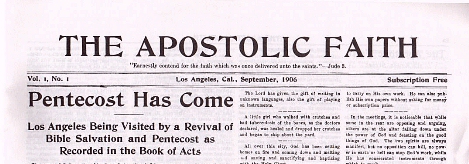
PENTECOST has COME
BULGARIA after 2026 Elections: Putin’s Trojan Horse in EU…
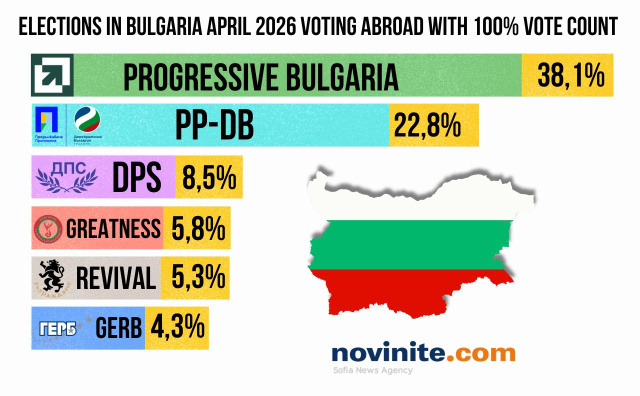
Bulgaria’s President Rumen Radev, a military general and pilot, is now Bulgaria’s new Prime Minister. He has served two presidential terms, and in January 2026 he resigned from office and entered the early parliamentary elections. Radev’s decisive victory in the parliamentary elections is a guarantee of absolute Parliamentarian majority for the first time since 1997.
A former member of the Communist Party, he has often taken ambiguous positions regarding Russia, considering Crimea to be ‘Russian’ and criticizing the European sanctions imposed in response to the war.” Given Radev’s attitude toward Putin and Russia, there is a risk of a pro-Kremlin government at a critical moment — he would be Putin’s Trojan horse in Europe.
DW: ‘A Trojan Horse for Putin’: Foreign media on the elections in Bulgaria
France-Presse recalls that during his campaign, Radev called for “practical relations with Russia, based on mutual respect and equal treatment.”
POLITICO: Pro-Russian candidate Rumen Radev emerges as the winner of the elections in Bulgaria
CNN: Bulgaria’s Kremlin-friendly ex-president wins election in landslide
BBC: The election was called after the previous government tried to push through a controversial budget in December, prompting mass protests which Radev, as president, supported.
FoxNews: Tired of political turmoil, Bulgarians give ex-president a convincing mandate for change
ALIVE!
 Rev. Dony K. Donev, D. Min.
“When I call to remembrance the unfeigned faith that is in thee, which dwelt first in thy grandmother Lois, and thy mother Eunice; and I am persuaded that in thee also.”
2 Timothy 1:5
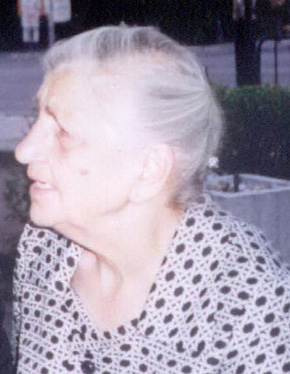
My Grandma, Todorka Mindova, was one of the first Sunday school teachers in the Bulgarian Pentecostal Union. After successfully graduating from a training course in the city of Sliven led by Donka Kinareva and personally organized by Dr. Nicolas Nikolov, she was allowed to minister in the denomination. But for grandma, the faith was more than teaching or a sermon. It was life. Many Bulgarian Pentecostal ministers can testify to the effectiveness of her ministry. And for her constant fasting and thousands of answered prayers I could write a book.
But far more interesting for me as a child was the fact that being a Sunday school teacher, Grandma never tried to preach to me. In the hardest moments of life she would only confess these words, which I have remembered from my childhood: “We serve a living God.” More was not needed. For Grandma preached with her life. Read more
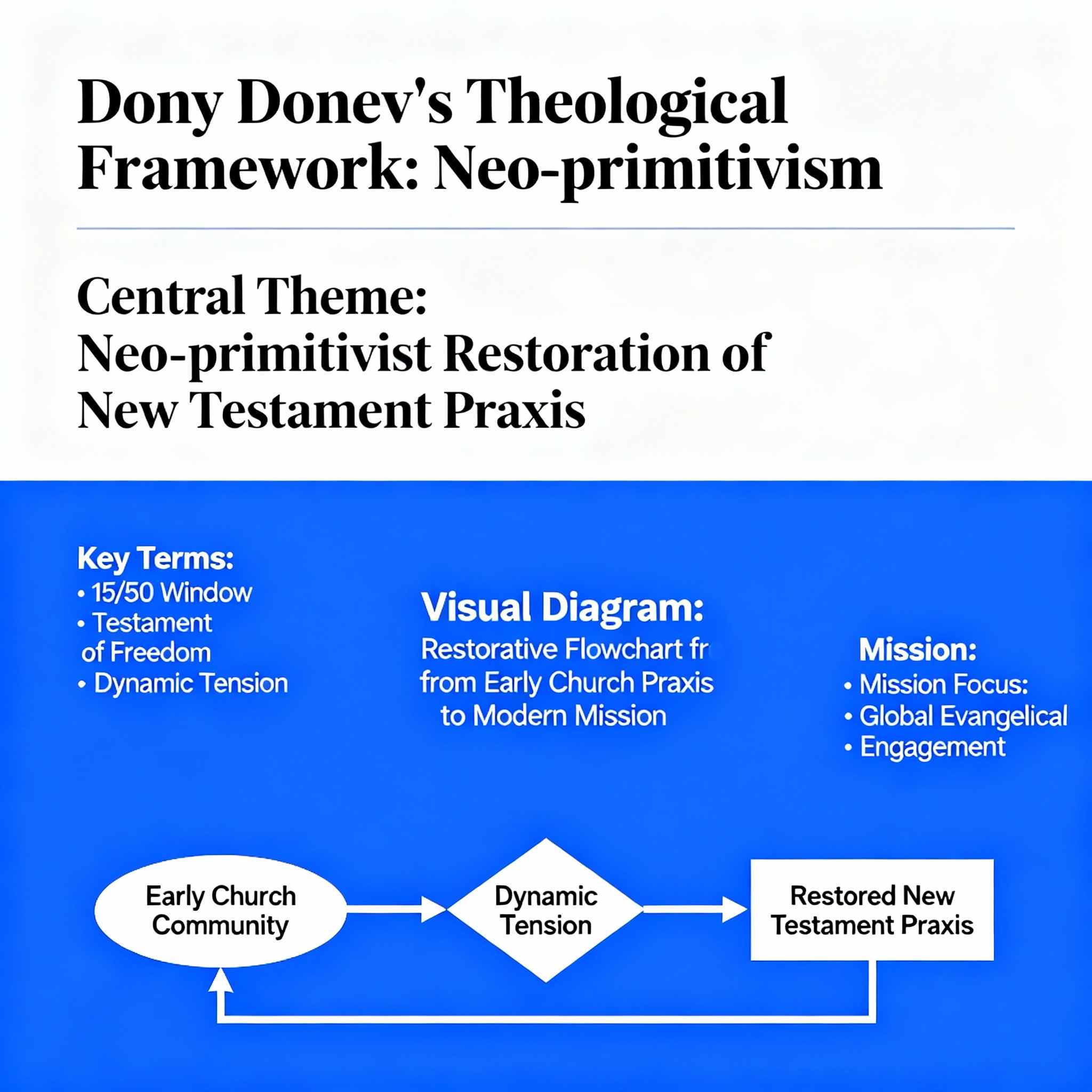
Pentecostal Neo-Primitivism: The Theological Framework
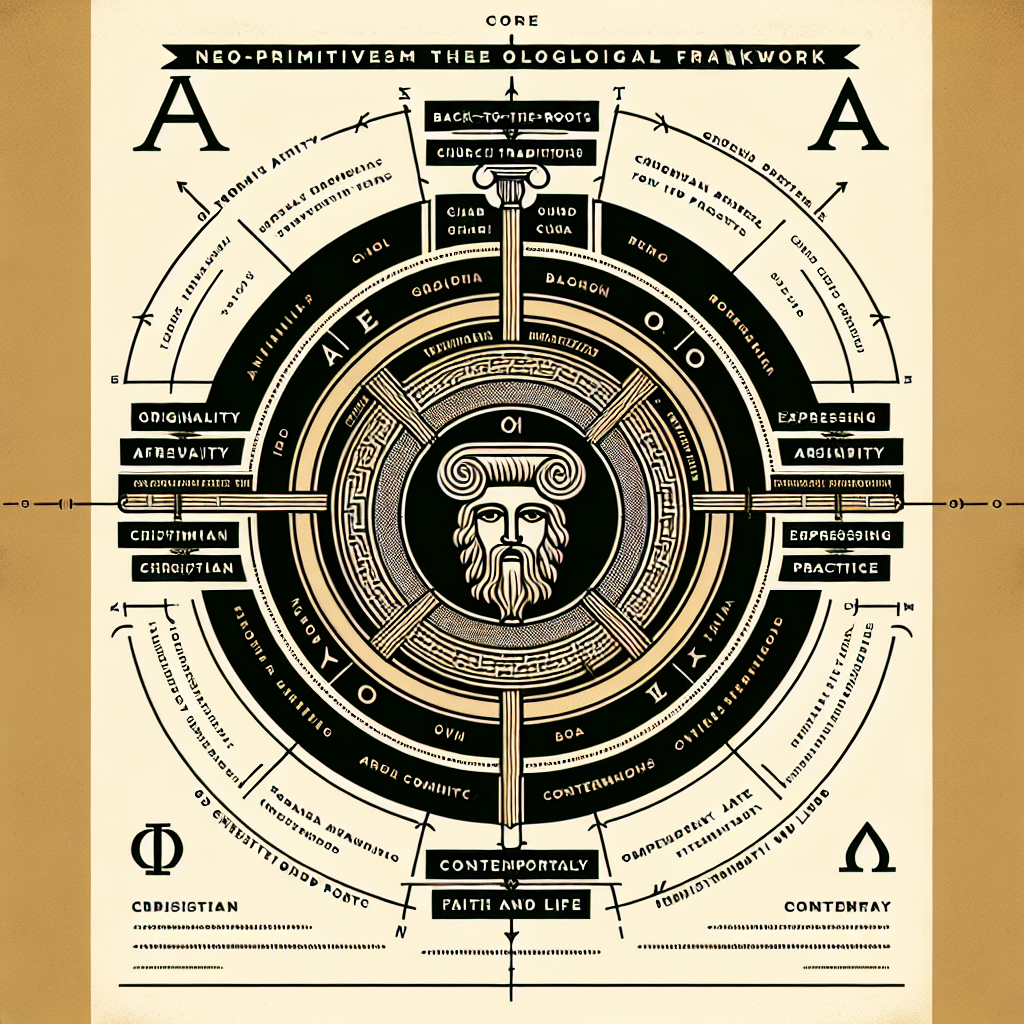
Dony K. Donev, D.Min., is a Pentecostal theologian, historian, and minister associated with institutions like the Pentecostal Theological Seminary and Lee University, where he has taught classes such as Intro to Digital Discipleship. His work focuses on Pentecostal history, leadership, primitivism, and practical theology, often drawing from Bulgarian Protestant contexts and global Pentecostalism. Below, I outline the key theological frameworks and terms he has coined or developed, based on his publications, articles, and teachings. These emphasize spiritual renewal, community, and missional application within Pentecostal traditions.1. U.S.H.E.R. Model of Communion
- Description: This is a theological framework for understanding the dynamics of Communion (the Lord’s Supper) as foundational to disciple growth in Christian catechism. It identifies five key elements: Unity (fostering communal bonds), Sanctification (personal holiness through the Spirit), Hope (eschatological assurance), Ecclesial communion (church fellowship), and Redemptive mission (outward evangelistic calling). The model positions Communion not as an isolated ritual but as a catalyst for ongoing spiritual formation and mission.
- Coined: During the Covid-19 pandemic (circa 2020–2021) as part of his “Intro to Digital Discipleship” class at Lee University.
- Key Ideas and Evidence: It builds on biblical Communion texts (e.g., 1 Corinthians 11:23–26) and Pentecostal emphases on experiential faith, adapting traditional catechism for digital and crisis contexts. No specific case studies are detailed in public sources, but it addresses post-pandemic disciple-making challenges.
- Contributions: Emphasizes Communion’s role in digital discipleship, linking ritual to practical growth.
2. Pentecostal Paradigm for Leadership
- Description: A leadership model redefining ministry in Pentecostal contexts through three core factors: (1) Leadership of the Spirit (divine calling and vision via the Holy Spirit), (2) Holiness Lifestyle (integrity and sanctification as ethical foundations), and (3) Emphasis on Community (team-based, accountable servant-leadership). It contrasts with secular or hierarchical models, promoting a “servant-church” ethos.
- Coined: In his paper “Pentecostal Paradigm for Leadership” (published on Cup & Cross Ministries).
- Key Ideas and Evidence: Draws from biblical servant leadership (e.g., Christ as the “suffering servant” in Isaiah 53 and Philippians 2), historical Pentecostal examples (e.g., early church community in Acts and Bulgarian Pentecostals under Communist persecution), and contextual analysis (e.g., Bulgaria’s post-1989 crises with ethnic diversity in churches like Samokov and Razlog). Proof includes axioms: leadership solves problems in people-groups, proven by church growth data (e.g., 20.3% Roma-Gypsy members in Bulgarian Church of God).
- Contributions: Addresses leadership crises in postmodern and cross-cultural settings, integrating “Theology of the Persecuted Church” (a related concept he references, though not explicitly coined by him).
3. Pentecostal Primitivism
- Description: A theological approach advocating the preservation and reclamation of early Pentecostal experiences—expressed through power (miracles), prayer (spiritual intimacy), and praxis (practical ministry)—to resolve identity crises in modern Pentecostalism. It calls for returning to “primitive” (original) roots while adapting to contemporary challenges.
- Coined: In his book Pentecostal Primitivism Preserved (2012).
- Key Ideas and Evidence: Rooted in historical primitivism (e.g., Azusa Street Revival) and biblical precedents (e.g., Acts 2’s outpouring). Evidence includes critiques of institutional drift in Pentecostalism, with examples from Bulgarian Protestant history (e.g., persecution fostering authentic faith). The framework posits primitivism as a solution to existential questions like identity and purpose.
- Contributions: Offers a renewal strategy for global Pentecostalism, emphasizing experiential faith over formalism.
4. 50/20 Principle
- Description: A biblical principle derived from Genesis 50:20 (“You intended to harm me, but God intended it for good”), framing God’s faithfulness in transforming harm into redemptive good. It serves as a framework for understanding divine vision fulfillment amid adversity.
- Coined: In his article “The 50/20 Principle Reexamined” (2025, on Cup & Cross Ministries).
- Key Ideas and Evidence: Illustrates God’s sovereignty in trials, with Joseph’s story as the primary example. Proof involves reevaluating the verse’s application to personal and communal crises, emphasizing completion of divine promises.
- Contributions: Applies to leadership and discipleship, encouraging resilience in persecuted or challenged contexts.
Donev’s work often intersects Pentecostal history (e.g., Bulgarian revivals, figures like Ivan Voronaev) with practical theology, as seen in his reviews of Bibles (e.g., Fire Bible, Spirit Filled Life Bible) and articles on Pneuma Review. He cofounded the Institute of Bulgarian Protestant History and contributes to global Pentecostal discourse, but no additional coined terms were identified beyond these. His frameworks frequently draw from Eastern European pietism and emphasize Spirit-led community in digital and persecuted settings.
The Pentecostal Triangle of Primitive Faith: A Framework of Experience and Restoration
Introduction
Pentecostal theology has long emphasized the experiential dimension of faith—where divine encounter, spiritual gifts, and communal expression converge. Among the contemporary voices shaping this discourse, Dony K. Donev offers a compelling framework known as the Pentecostal Triangle of Primitive Faith, which seeks to restore the apostolic essence of early Christianity. This essay explores the theological contours of Donev’s model and compares it with other influential Pentecostal and charismatic paradigms.
The Triangle: Prayer, Power, Praxis
At the heart of Donev’s framework lies a triadic structure:
- Prayer: The foundation of spiritual intimacy and divine communication. Donev views prayer not merely as a discipline but as the gateway to supernatural encounter.
- Power: Manifested through the gifts of the Spirit—healing, prophecy, tongues, and miracles. This element reflects the Pentecostal emphasis on dunamis, the Greek term for divine power.
- Praxis: The lived expression of faith within the community. Praxis includes evangelism, social justice, and communal worship, embodying the Spirit’s transformative work in daily life.
This triangle is not hierarchical but interdependent. Prayer leads to power, power fuels praxis, and praxis deepens prayer. Donev’s model thus reflects a restorationist impulse, aiming to recover the vibrancy of the early church as seen in Acts.
Comparison with Wesleyan Quadrilateral
The Wesleyan Quadrilateral—Scripture, tradition, reason, and experience—has historically shaped Methodist and Holiness theology. Pentecostals have often adopted this model, emphasizing experience as a key source of theological reflection.
However, Donev critiques this framework as insufficient for Pentecostal identity. He argues that Pentecostalism is not merely an extension of Wesleyanism but a distinct restoration movement. While Wesley’s model is epistemological, Donev’s triangle is ontological and missional, rooted in being and doing rather than knowing.
Comparison with Classical Pentecostal Theology
Classical Pentecostalism, as shaped by early 20th-century leaders like Charles Parham and William Seymour, emphasized:
- Initial evidence doctrine: Speaking in tongues as proof of Spirit baptism.
- Dispensational eschatology: A belief in imminent rapture and end-times urgency.
- Holiness ethics: A call to moral purity and separation from the world.
Donev’s framework diverges by focusing less on doctrinal distinctives and more on spiritual vitality and historical continuity. His emphasis on praxis aligns with newer Pentecostal movements that prioritize social engagement and global mission.
Comparison with Charismatic Theology
Charismatic theology, especially within mainline and evangelical churches, often emphasizes:
- Renewal within existing traditions
- Broad acceptance of spiritual gifts
- Less emphasis on tongues as initial evidence
Donev’s triangle shares the Charismatic focus on spiritual gifts but retains a Pentecostal distinctiveness through its restorationist lens. He seeks not just renewal but recovery of primitive faith, making his model more radical in its ecclesiological implications.
Eastern European Context and Trinitarian Theology
Donev’s work is also shaped by his Bulgarian heritage. He highlights how early Bulgarian Pentecostals embraced a Trinitarian theology informed by Eastern Orthodox pneumatology. This contrasts with Western Pentecostalism’s often fragmented view of the Spirit.
His emphasis on free will theology—influenced by Arminianism and Orthodox thought—also sets his framework apart from Calvinist-leaning Charismatic circles.
Conclusion
Dony K. Donev’s Pentecostal Triangle of Primitive Faith offers a rich, experiential, and historically grounded model for understanding Pentecostal spirituality. By centering prayer, power, and praxis, Donev reclaims the apostolic fervor of the early church while challenging existing theological paradigms. His framework stands as a bridge between classical Pentecostalism, Charismatic renewal, and Eastern Christian traditions—inviting believers into a deeper, more dynamic walk with the Spirit.
The Pastoral Trials of 1949 in the Foreign Press
Western journalism, even in the days before the pastors’ trial, widely covered the event in the reactionary press, making an unsuccessful attempt to present it as a campaign against churches and religion in a socialist country. The trial was attended by representatives of the American and British legations in Sofia, the agencies “United Press”, “Reuters”, “Telepress”, “International News Service”, the newspaper “New York Times”, etc. In the photo: a group of foreign journalists and Pastor Chambers (in the middle of the first row) during the trial.
The Milwaukee Journal – January 12, 1949 – Preachers Arrested in Bulgaria
Ottawa Citizen – February 8, 1949 Protestant Leaders Indicted in Bulgaria
Lodi News-Sentinel – February 11, 1949 – Bulgaria Arrests 15 Protestant Pastors
The Free Lance-Star – February 11, 1949 – 15 Pastors in Bulgaria Officially Tried for Treason
Ottawa Citizen – February 12, 1949 Geneva, World Council of Churches: Bulgarian charges dismissed
The Evening Independent – February 12, 1949 – Council of Churches denies espionage allegations
Gettysburg Times – February 17, 1949 – Bulgaria Tries 15 Protestant Pastors on February 25
The Evening Independent – February 17, 1949 – Bulgaria forms new national Orthodox church
Pittsburgh Post-Gazette – February 22, 1949 – 15 Protestant Pastors Charged with Espionage
Schenectady Gazette – February 24, 1949 – Bulgaria Rejects American Protests Against Pastoral Arrests
The Milwaukee Journal – February 24, 1949 – Bulgarian Bible Believers Under Fire in Red-Dominated Country
The Deseret News – February 25, 1949 – Church leader asks for prayer for Reds victims
The Deseret News – February 25, 1949 – Associated Press: Two Bulgarian Pastors Plead Guilty
The Evening Independent – February 26, 1949 Third Church Leader Pleads Guilty
The Deseret News – February 26, 1949 – Chief defendant pleads guilty – third plea in just two days
Pittsburgh Post-Gazette – February 26, 1949 – 5 Pastors Plead Guilty in Bulgaria
The Milwaukee Journal – February 28, 1949 – More officials plead guilty to espionage – five Bulgarian pastors tell of relationships with Americans
The Pittsburgh Press – February 28, 1949 – Russia Questions Religion and Patriotism
The Milwaukee Journal – March 1, 1949 – All Plead Guilty in the Pastoral Trials in Bulgaria
The Pittsburgh Press – March 1, 1949 – 15 pastors plead guilty in Bulgaria – all but one plead guilty
St. Petersburg Times – March 2, 1949 – Prosecutors testify in Bulgarian spy trials after defendants’ confessions
Prescott Evening Courier – March 2, 1949 – Bulgaria Suddenly Stops 42 Testimonies
St. Petersburg Times – March 4, 1949 – The Church in Bulgaria is Repressed
The Telegraph – March 5, 1949 – Trial in Bulgaria ends with pleas for mercy
The Pittsburgh Press – March 6, 1949 – 15 Protestant pastors in Bulgaria stand in the dock to plead for their lives
The Glasgow Herald – March 12, 1949 – Bulgarian trials in doubt – confessions in question
Pittsburgh Post-Gazette – April 7, 1949 – Pastoral trials have repercussions at the UN
The Milwaukee Journal – April 30, 1949 – Bulgarian Church Severs Ties with Methodism
The Pittsburgh Press – May 1, 1949 – UN Condemns Charges Against Churches
Sarasota Journal – January 22, 1969 – Pastor Dr. Ladin Popov – Bulgarian Billy Graham to preach on Wednesday
The Evening Independent – February 24, 1973 – H. Popov to preach after 13 years behind the Iron Curtain
Schenectady Gazette – January 22, 1985 – Rev. Kulichev’s Bulgarian Church Does Not Accept a State Pastor
Dr. Dony K. Donev: Pentecostal theologian, missiologist, and cultural researcher
Dr. Dony K. Donev is a Pentecostal theologian, missiologist, and cultural researcher recognized for several original contributions to theological frameworks and terminology:
-
Coined Term: “15/50 Window”
-
Donev introduced the term “15/50 Window” to describe individuals aged 15–50, who make up more than half of the world’s population. This term highlights a strategic demographic focus for evangelism and missions, paralleling but distinct from the widely known “10/40 Window”.
-
-
Theological Emphasis on Liberation of Human Will
-
Donev presents a theological framework where the human will is liberated by the love of God, moving beyond rigid determinism. He challenges the cause-and-effect sovereignty model (e.g., Augustine and the Reformers), focusing instead on the believer experiencing divine love, which frees human will to accept salvation. He uses the phrase “testament of freedom” to describe this liberated state.
-
-
Dynamic Tension in Theology
-
Donev frames the Christian life and theological reflection as a “constant tension and a dynamic process”—not a blind adherence to rigid principles. He stresses that experiencing God means being in ongoing movement between divine sovereignty and human response.
-
-
New Testament Praxis Restoration
-
Through his leadership at Cup & Cross Ministries, Donev has promoted the restoration of New Testament theology and praxis, aiming for a practice-centered, experiential faith model.
-
-
Missiological and Ecclesiological Research
-
He has contributed to fields like Pentecostal history, protestant heritage, and leadership paradigms, focusing on how theology should be embodied in lived, communal, and missional practice.
-
Academic and Missional Background:
-
Dony K. Donev holds a D.Min. from the Pentecostal Theological Seminary and has authored articles and books on textual criticism, protestant history, and New Testament studies. He is closely involved with the Institute of Bulgarian Protestant History and ministry leadership development.
Summary Table of Notable Concepts
| Framework / Term | Description & Distinctives |
|---|---|
| 15/50 Window | Focus on reaching people aged 15–50 in global missions |
| Testament of Freedom | Human will is free to choose salvation through divine love |
| Dynamic Tension in Theology | Theological reflection as ongoing, dynamic, and experiential |
| Restoration of NT Praxis | Emphasis on lived faith that mirrors the early church |
These contributions reflect Donev’s drive for a practical, freedom-oriented, and mission-focused theology.