BibleTech 2011
 We are gearing up for BibleTech 2011, which will be held in Seattle, WA, March 25–26. This will be our fourth annual conference focusing on the many ways technology is affecting and being affected by how we translate, interpret, communicate and transmit the Scriptures. BibleTech isn’t just a great opportunity to hear speakers address many of the tech savvy issues that are important to you, but also a chance to interact and network with industry leaders and others who share your interests. Stories abound of the working relationships and friendships initiated at BibleTech conferences.
Calling all presenters
We are putting out a call for programmers, publishers, tagging experts, information/library scientists, technologists, thought leaders, design gurus, information architects, webmasters, or anyone working at the intersection of the Bible and technology to lead conference sessions and round-table discussions! It is as easy as clicking on entry link filling out the participation form.
We get a lot of entries and we encourage you to be as descriptive as possible when sharing your ideas for topics and content. And, if you have multiple ideas for sessions, feel free to fill out multiple entries.
We will close the call for participation on November 30 so that we can choose the best session speakers for next year. Please have your entry in by then!
Get the latest information about BibleTech 2011
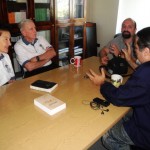
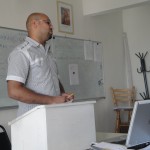
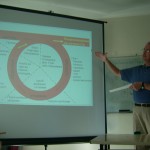
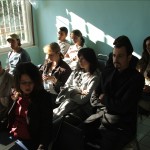
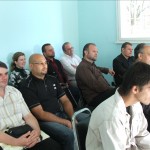
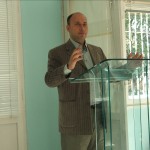
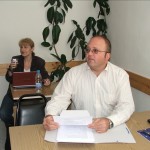
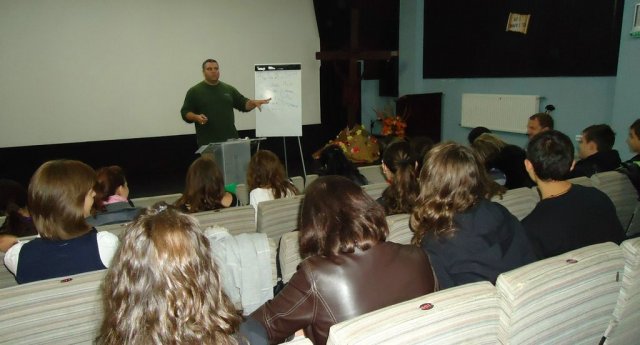
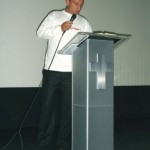
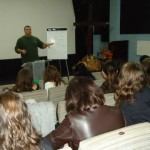
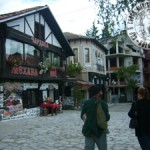
Teaching on Philippians in Haskovo, Bulgaria
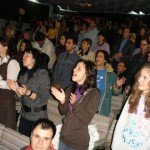
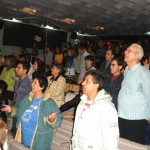
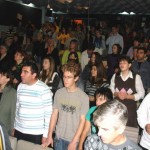
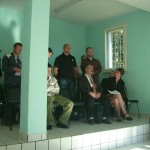
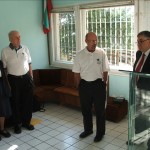
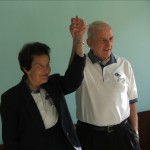
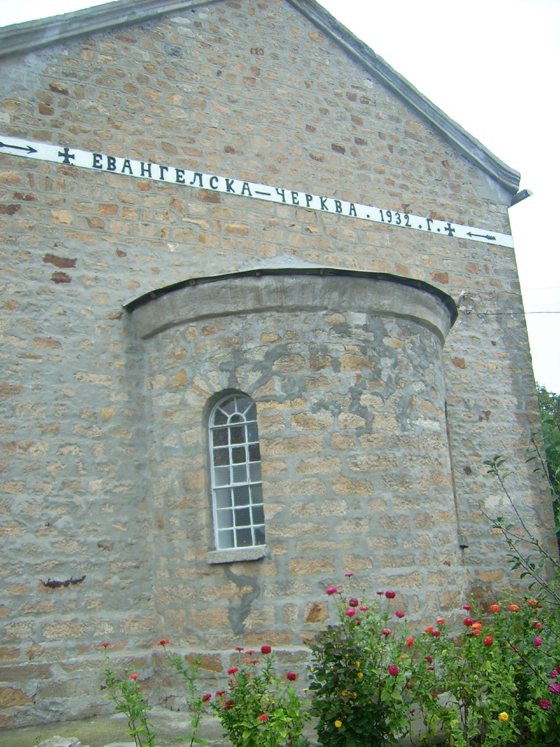
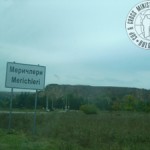
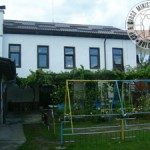
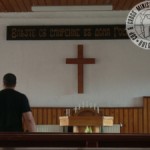
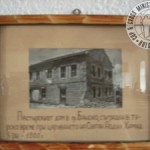
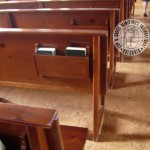
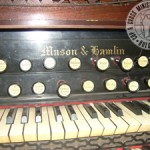
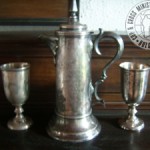
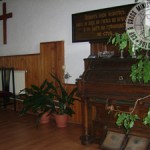
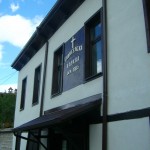
Mirichleri: Second Evangelical Church in Bulgaria
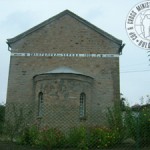
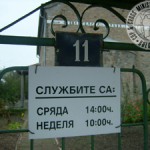
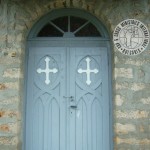
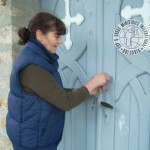
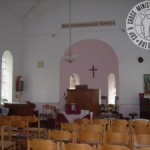
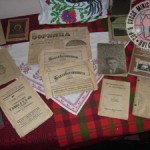

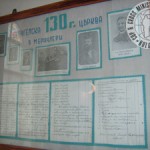
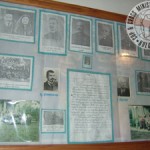
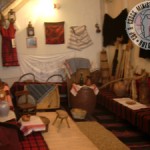
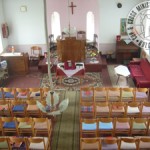
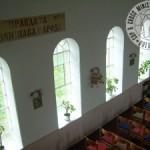
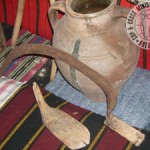
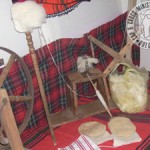


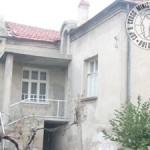



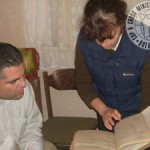
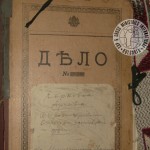
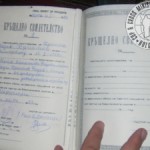
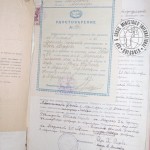
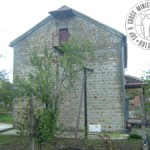
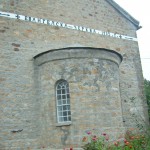
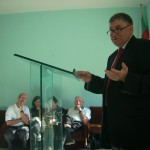
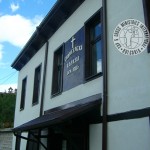
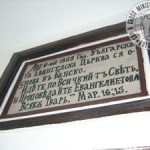
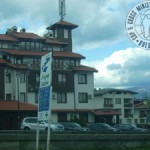
Bansko: First Evangelical Church in Bulgaria
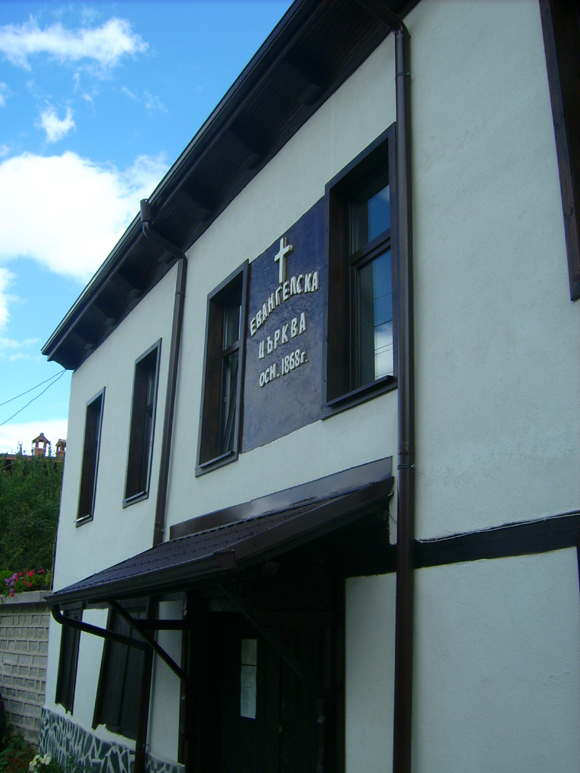



X 10.10.10 Cyprus Reflection
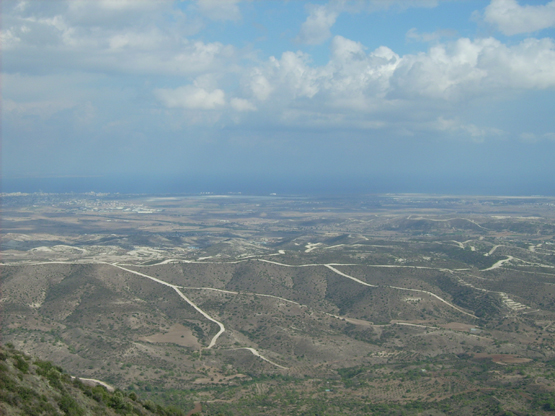
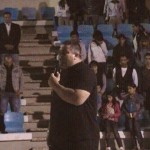
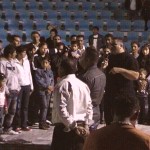
Every year our ministry organizes a National Mega Youth Event we have come to call “X”. This year our event was held on 10.10.10 on the island of Cyprus. From the invitation of Pastor Rumen Mitodiev, we went to Cyprus expecting greet things. We spent there two weeks during which we were able to minister to and train the members of the national network of new and growing Bulgarian churches that have formed within the past several years as a direct result of the increase of immigration to the island.
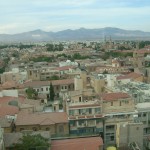
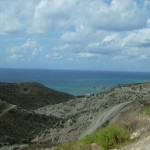
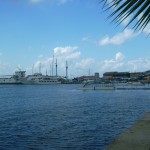
Cyprus is an island located at the eastern end of the Mediterranean Sea just above Israel and 47 miles south of Turkey. It was once a British colony until 1960 when it gained its independence. It is the only militarily divided country with a Greek and Turkish zone. With this division brings a challenge in ministry unique to any other. However, where the Spirit of the Lord is there is liberty and no division among believers. The Bulgarian churches in Cyprus bring this refuge not only to Bulgarians, but Romani (Gipsy) and Turkish people as well.
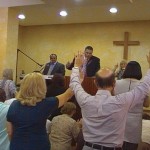
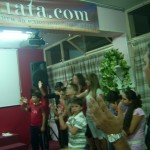
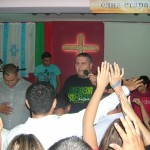
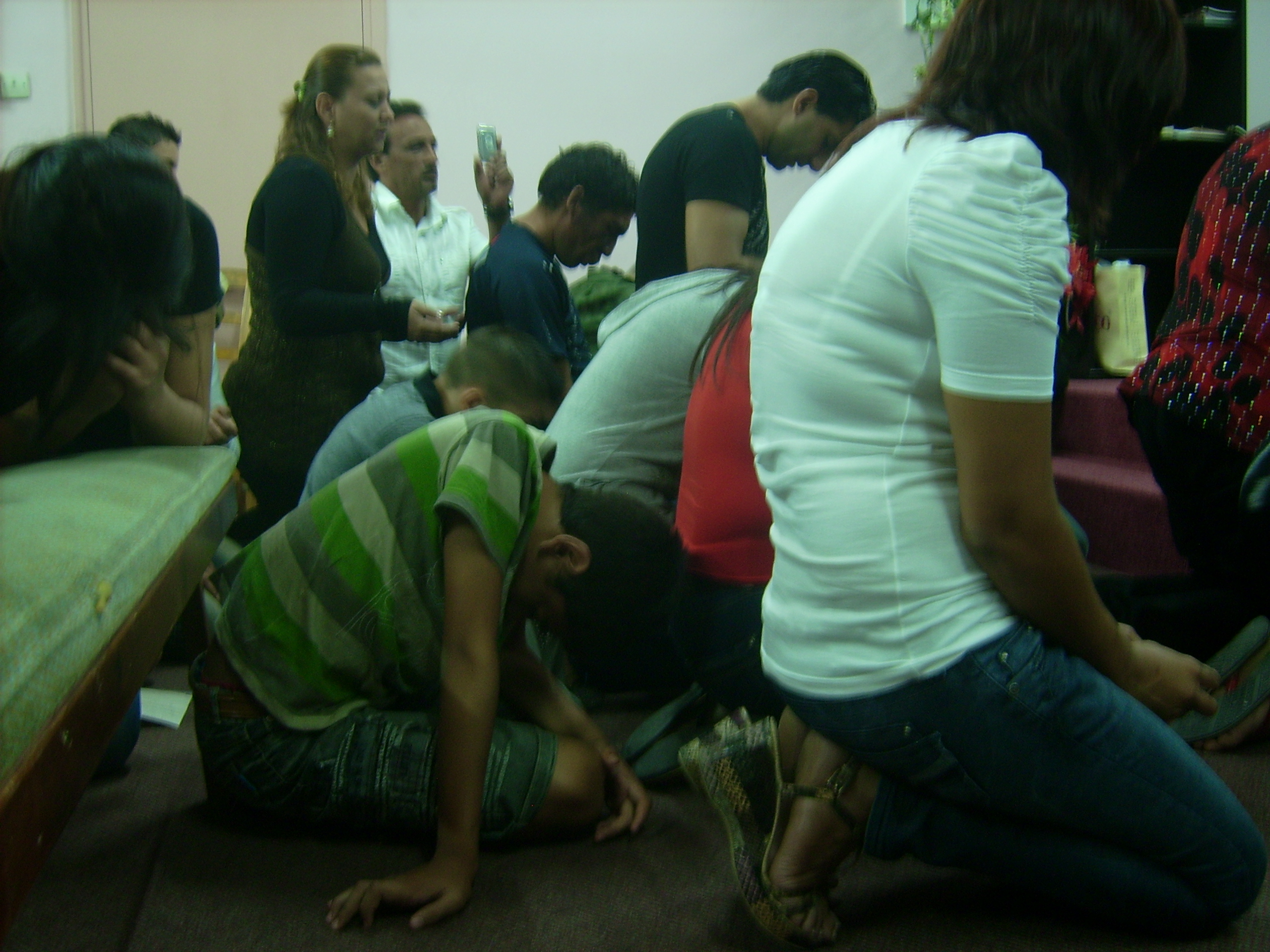
During our time on the island, we faced much spiritual warfare as one can imagine with Cyprus being among the main destinations for human trafficking and highly influenced by black magic and Islamic beliefs. Yet, being faithful to the Cause our team continued to press on. Throughout our time with the various Bulgarian churches, we continued to receive one praise report after the other including healings, deliverance and people being restored to the faith. And in the Sunday morning service alone on 10.10.10 over 50 people came to the altar to receive Christ as their personal Lord and Savior. This makes any battle worth the fight and all the Glory belongs to God.
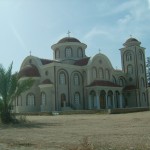
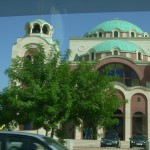
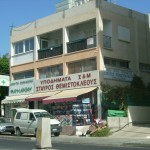
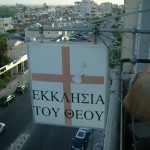
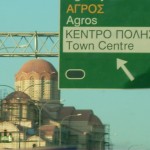
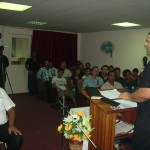
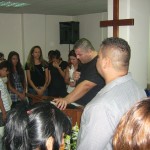
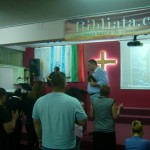
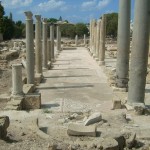
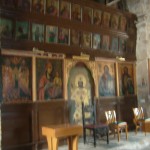
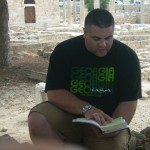
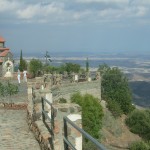
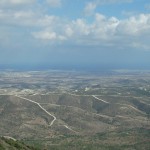
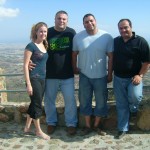
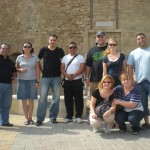
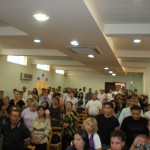
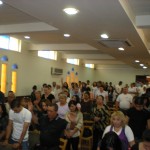
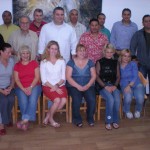
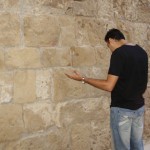
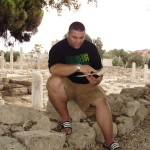
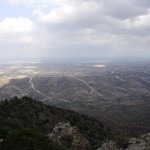
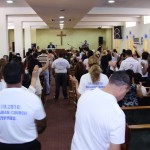
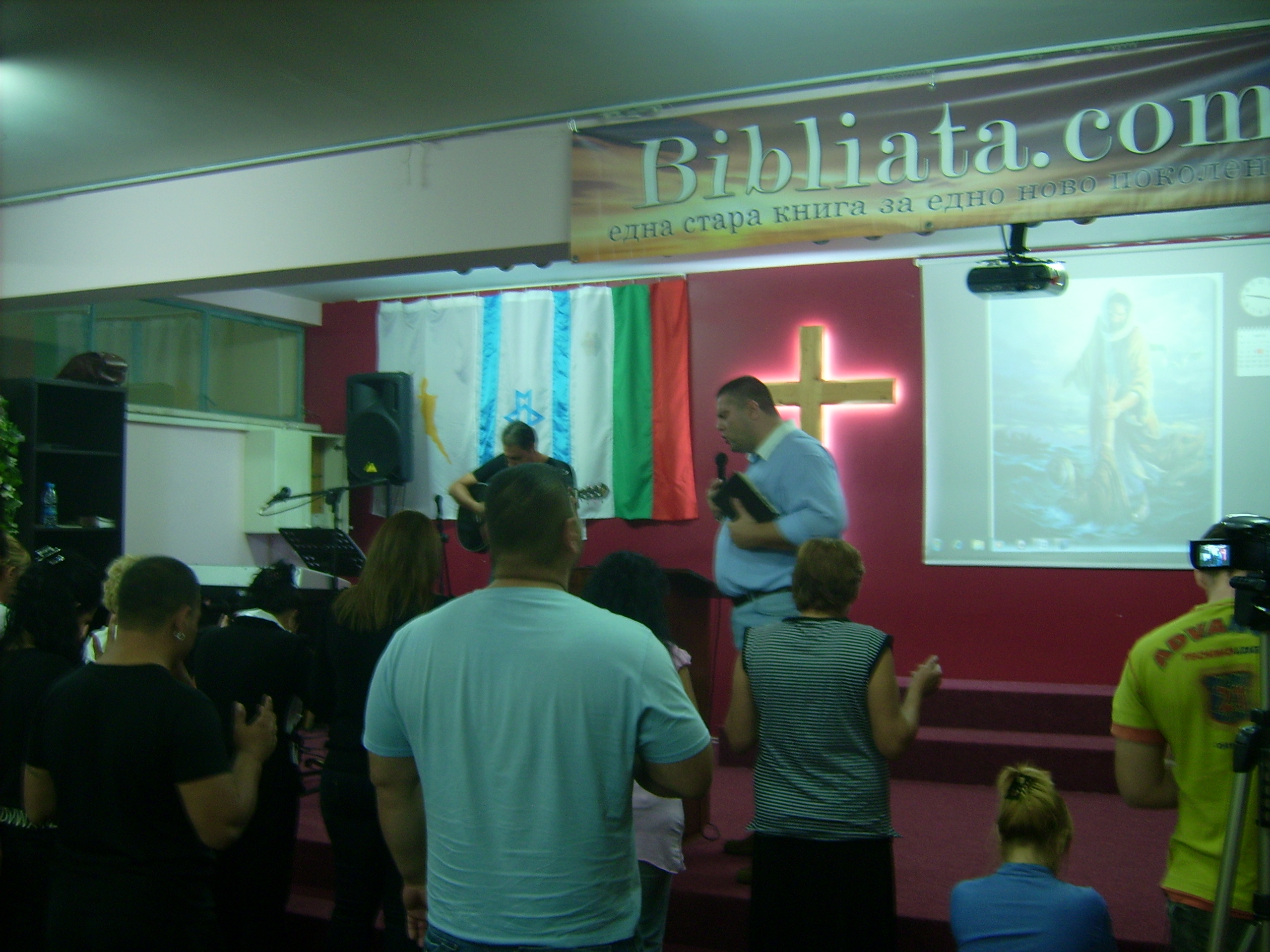
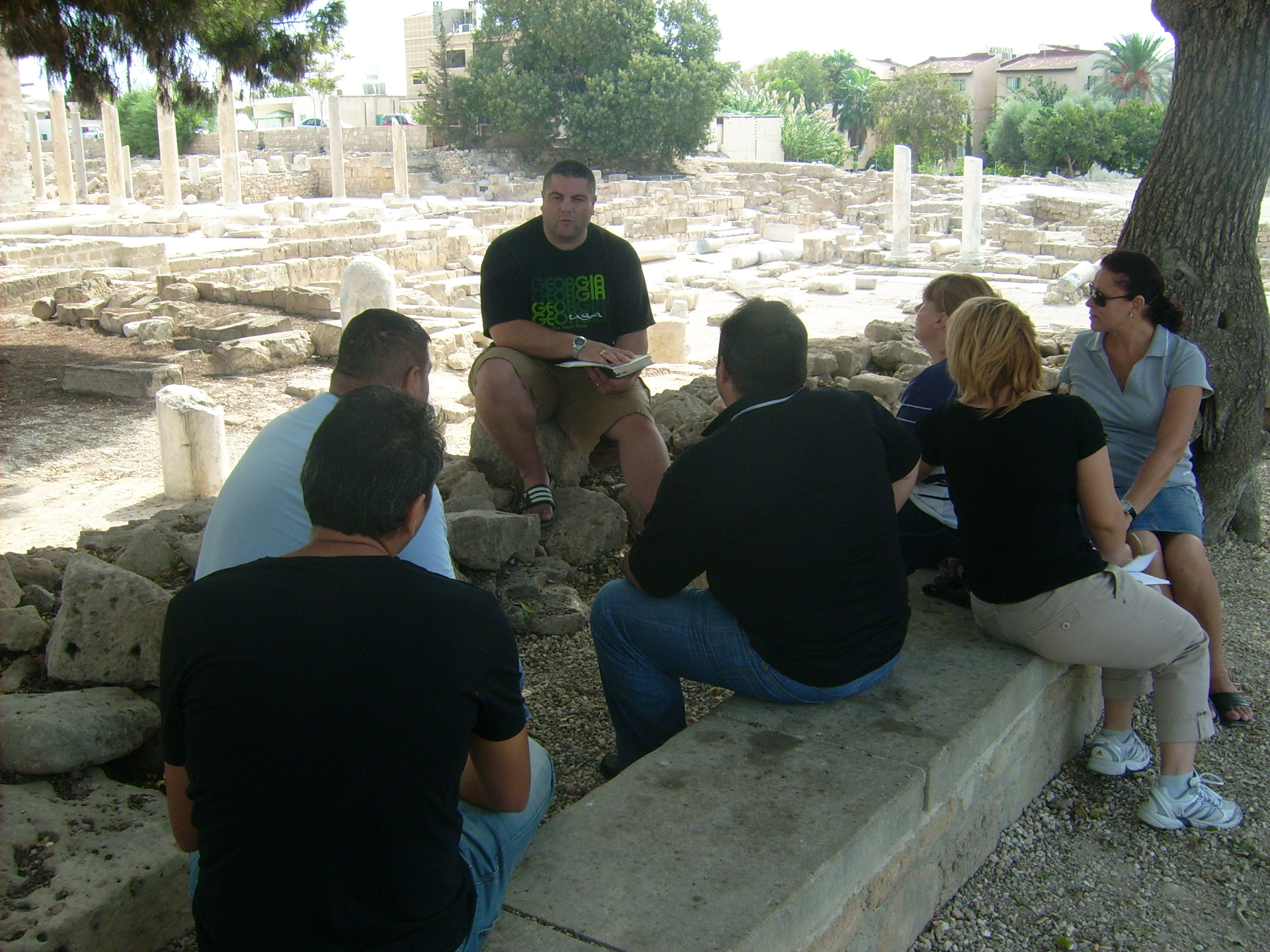
X 10.10.10 Cyprus (in pictures)
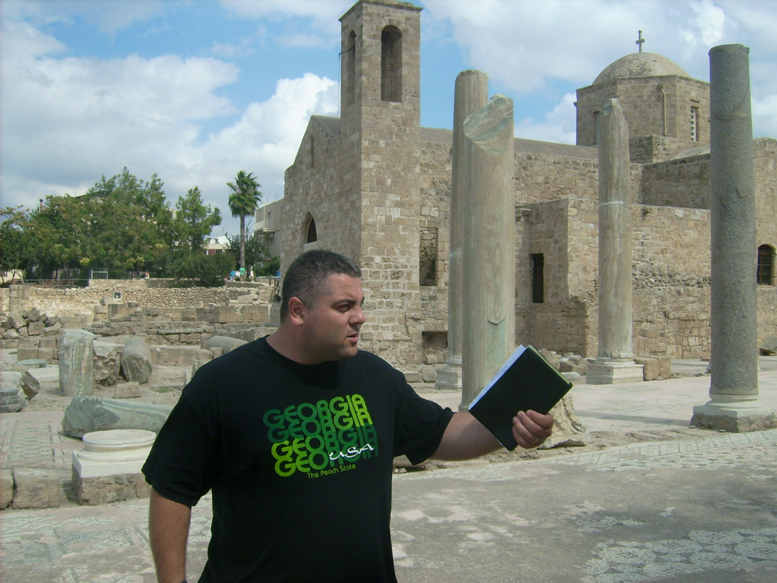
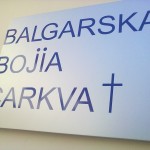
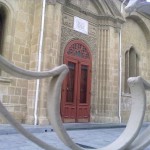
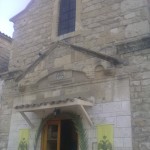
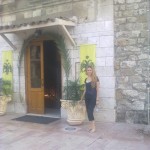
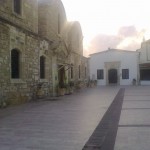
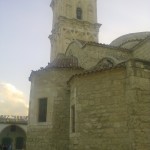
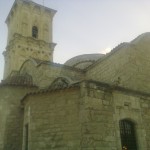
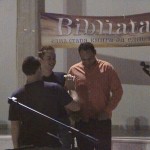
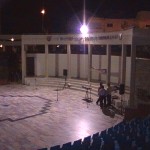
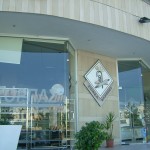
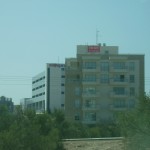
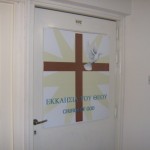
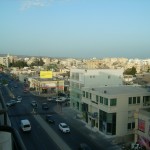
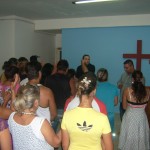
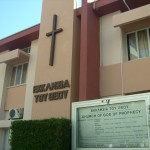
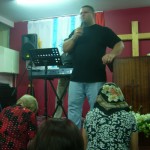
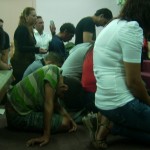
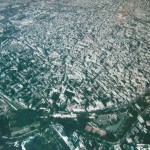
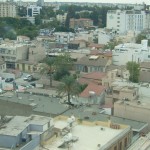
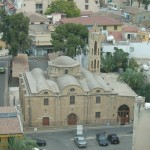
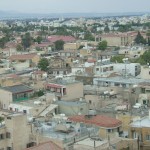
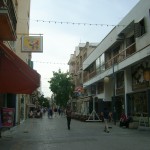
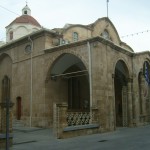
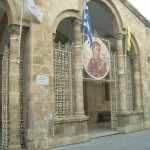
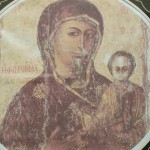
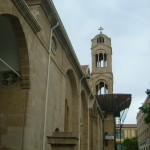
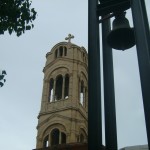
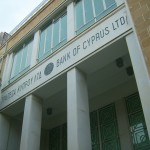
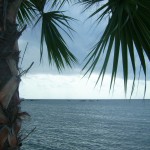
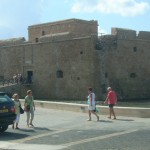
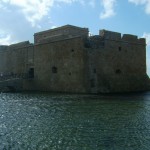
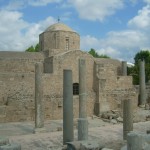
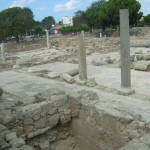
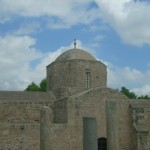


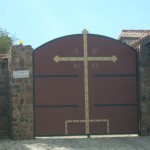
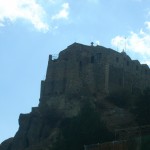
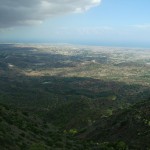
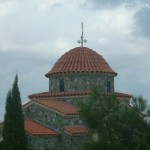
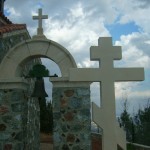
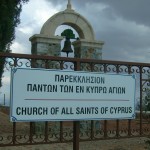
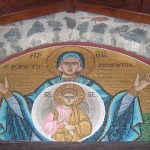
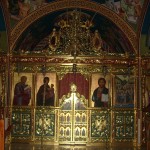
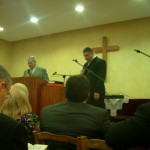
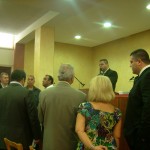
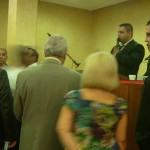
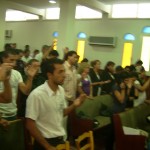
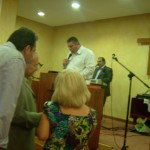
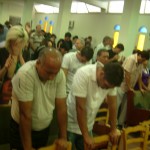
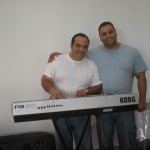
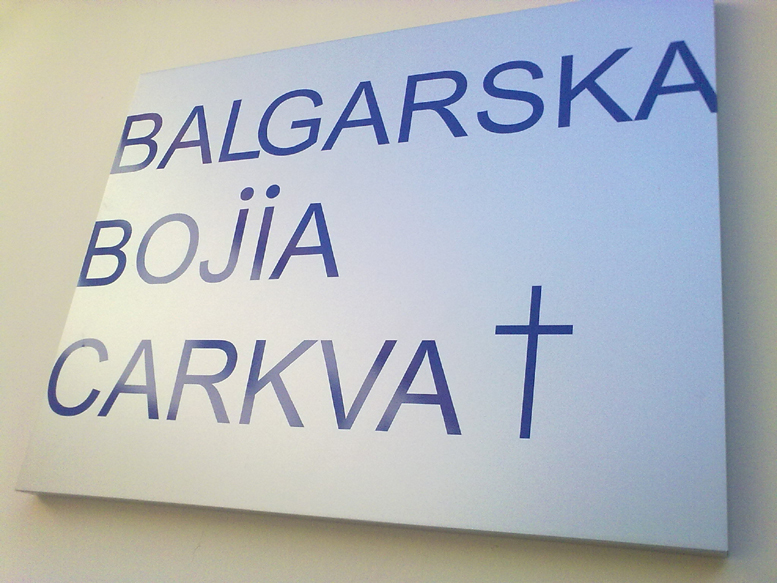
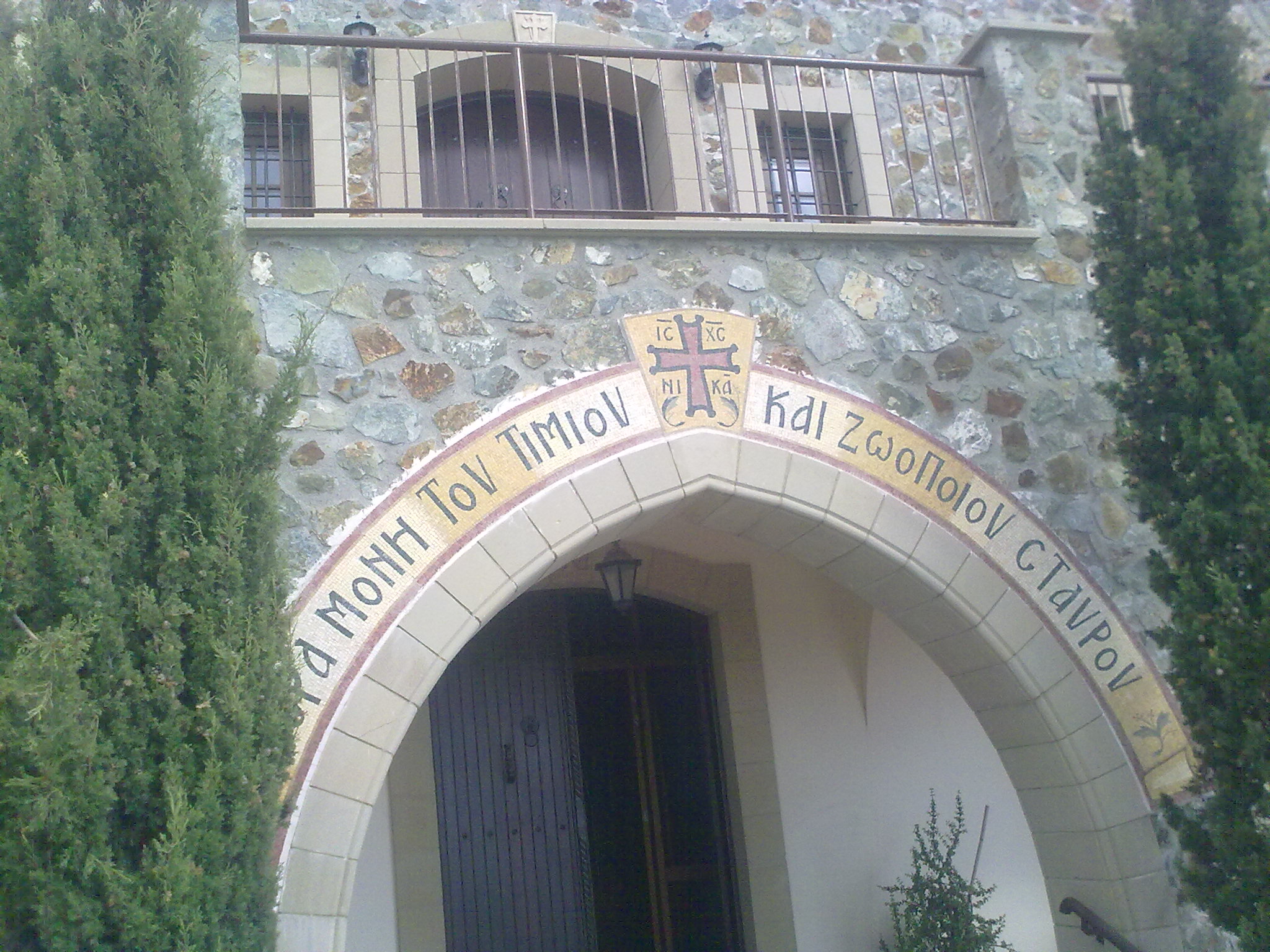
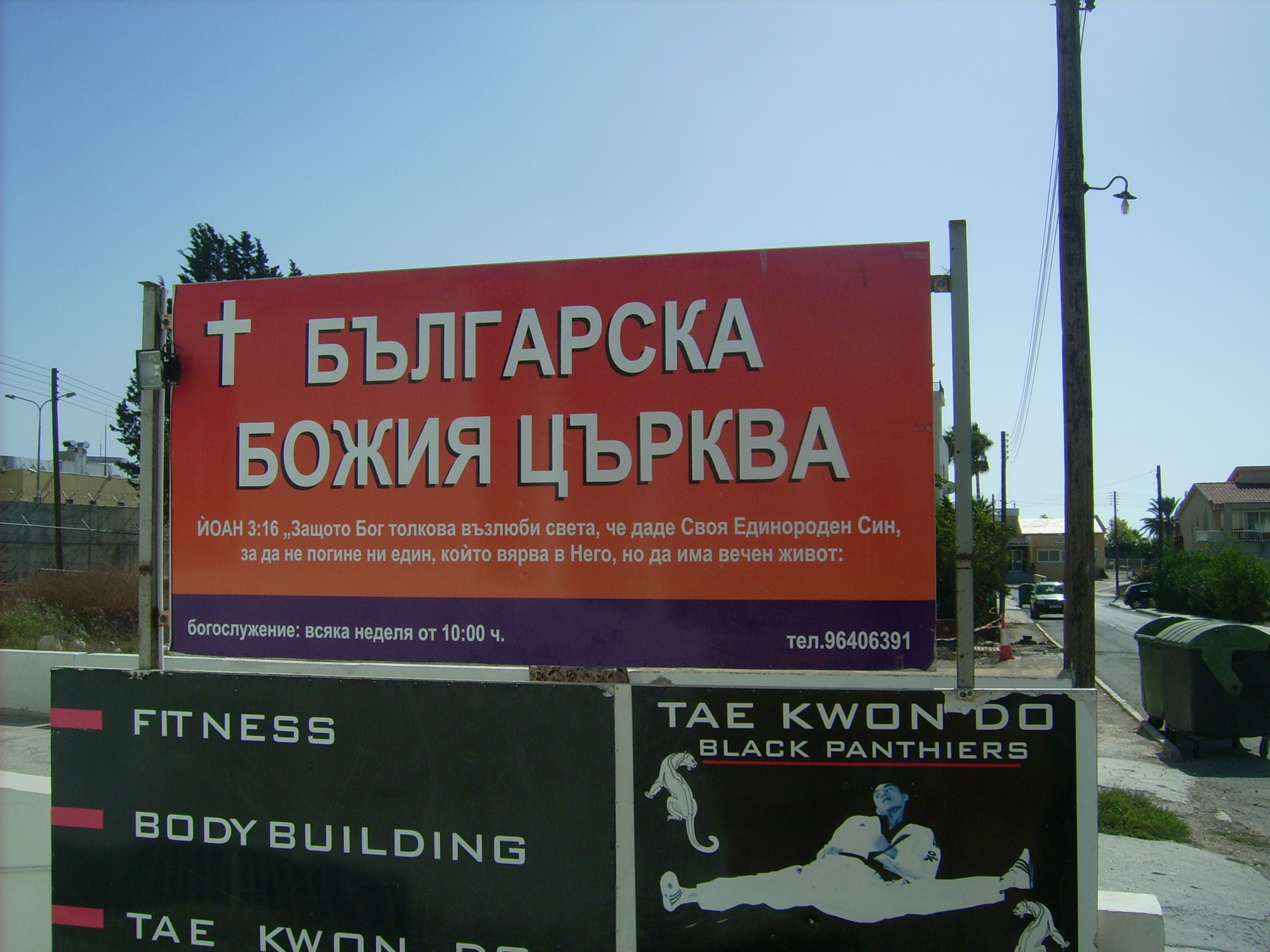
Bulgarian Church of God in Cyprus
For the past three years the community of Bulgarian immigrants on the island of Cyprus has been swept by a Holy Ghost revival much similar to the revival which brought freedom in Bulgaria some 20 years ago after the fall of the Berlin Wall. Similar phenomenon was observed in the mid 90s in the Chicago Metro area, where several Bulgarian churches spurred up into a revival and as surveys showed years later, this has become the main characteristic of the establishment of Bulgarian immigrant churches across the world.
But the similarities with the Chicagoland revival of the 90s do not stop here. Just like in Chicago, some 65,000 Bulgarians live and work on the island of Cyprus. And this is the number of only the registered ones. But while the Bulgarians in Chicagoland are spread across only 220 sq.m. of the city, the island area of Cyprus has 3,500 sq.m., which makes their networking and communication much harder.
Pentecostal ministry among the Bulgarian Diaspora began somewhere around 2005 with small groups that reached 30-40 people. In this context of ministry, in the spring of 2008, the first Bulgarian Church of God congregation was formed in the city of Nicosia (Levkusia) with Bulgarian trained Church of God minister Rumen Metodiev as the pastor, under the supervision of Bishop Michael Charalambous, overseer of the Cyprus Church of God of Prophecy.
After a series of deliverance revival meetings, the growth of the congregation exploded and within a few months reached some 200 people. When special services are held once or twice a month over 300 people show up, making it impossible for the congregation to meet in their current location. Bulgarians from other parts of the island reached out to the new church and soon a new Bulgarian congregation was started in Limassol, a Mediterranean resort an hour way from the capital Nicosia. And then another Bulgarian Church of God was started only a few months ago in the city of Paphos and already numbers some 55 parishioners.
As the network of Bulgarian churches in Cyprus is growing, congregations are facing important decisions that demand immediate answers in the areas of leadership training, finances and cultural contextualization. After successfully recovering from some initial dilemmas through the establishment of a strong leadership team, the congregation in Limassol is already looking for a new larger building to rent in order to accommodate their growing attendance. The congregation in Nicosia is at a point where they need to acquire their own building for their meetings, but with their rapid growth, such may be difficult to find on the small island.
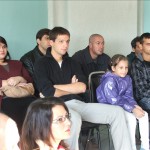
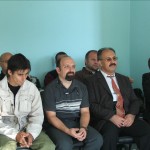
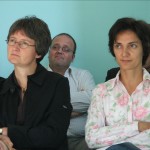
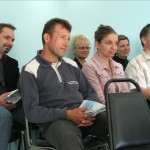
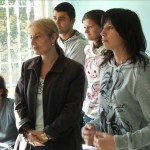
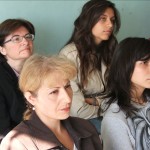
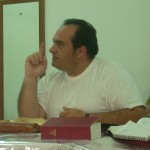
Our purpose in visiting with the Bulgarian churches in Cyprus was to hold a two week revival and to train leadership teams to assist the local pastors. We had a total of 14 services with the Bulgarian congregations and one with the Greek Church of God of Prophecy congregation in Nicosia. Our team held over 20 training sessions covering the areas of Bible study, the ministry of preaching, types of ministry, team building and church leadership. Pastor Iliya Panov joined us during the second week of training and covered the topic of praise and worship as well as provided a powerful presence of worship during our time together.
During the course of the revival, a Bulgarian pastor from Paralimni attended the meetings. Upon their invitation, we held an evangelization meeting on Saturday night, which brought many new souls to Christ and strengthened the faith of this new congregation.
Now, after having our annual “X” youth events in Bulgaria for four years in Sofia (2006), Bourgas (2007), Uzana in the Balkan Mountains near Gabrovo (8.8.2008) and the city of Samokov (9.9.2009) we are anticipating this new level of global ministry on 10.10.2010 in Cyprus, when “X” will be held for the first time outside of Bulgaria. The event will be hosted in partnership at the Cyprus Church of Prophecy in cooperation with all Bulgarian congregations on the island.


Hitting the Ground Running
Our team in Bulgaria has had a lots of ministry events that has demanded our time and focus, but it has been rarely as intense and overwhelming as this second part of 2010. We can only be thankful to the Lord and the people who pray for us and support our ministry, that we have been able to continue in this run for the ministry and proof ourselves successful through the power and the anointing of the Holy Spirit. We have truly been hitting the ground running.
At the end of August, our team organized and held the Youth Ministry Camp in the Balkan mountain where over 65 young leaders and ministers attended our annual training.
Then, in the first week of September we taught at the Regional Church of God Seminar in Gabrovo, and then continued for a week with the National Leadership Seminar in Rouse.
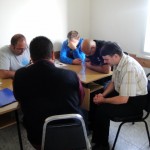
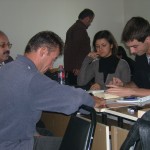
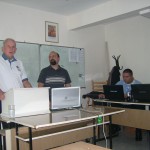
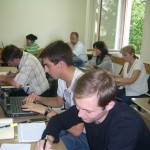
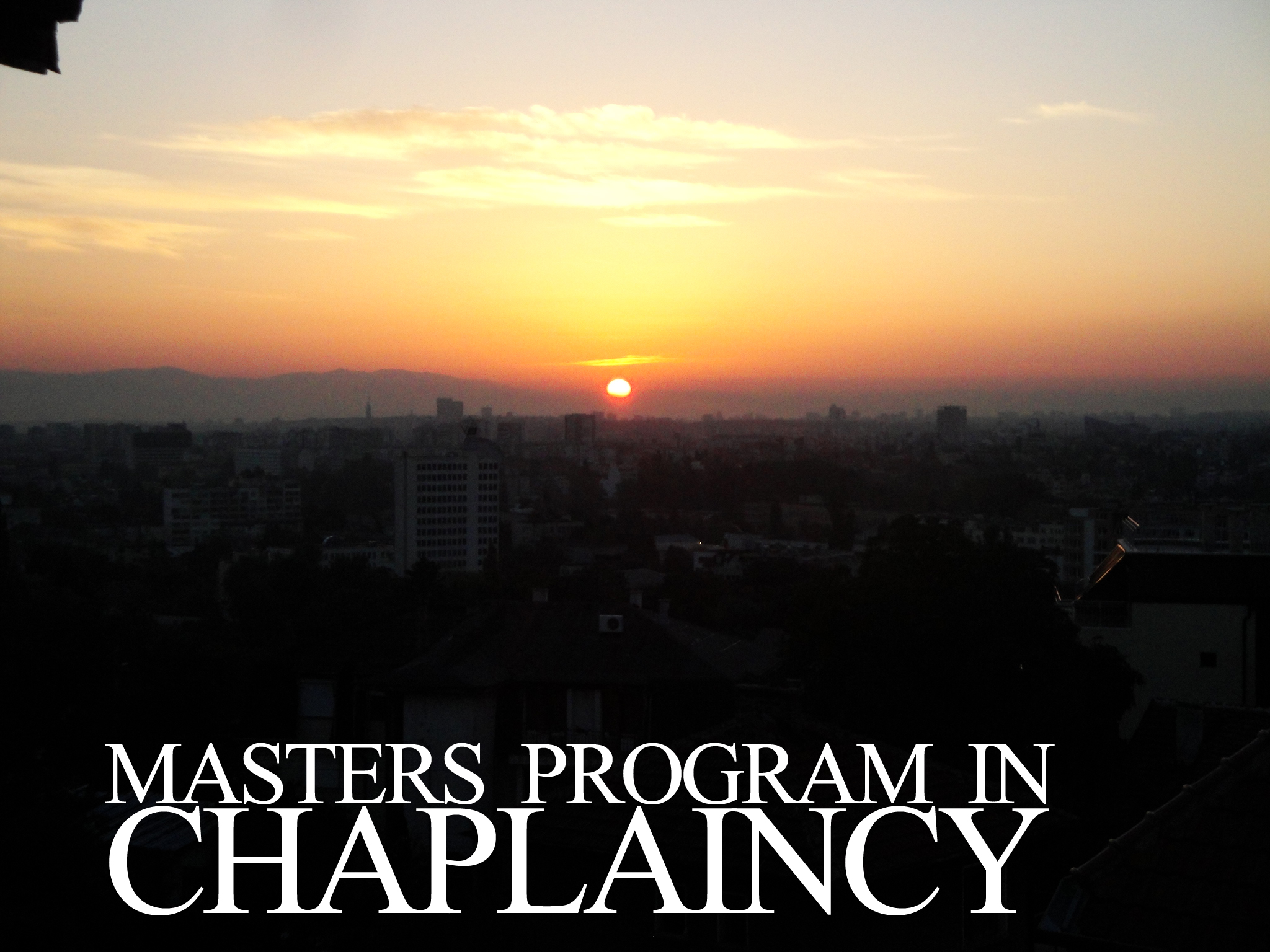
Immediately after it was over, we departed for the capital Sofia, where for the next two weeks we taught the first ever Masters in Chaplaincy Program in Bulgaria. Over 20 students signed for the program, which was both exciting and encouraging after spending five years of hard work and great anticipation, through many trials and obstacles, to reach this historic moment.
A day later, we departed to the island of Cyprus upon the invitation of a student of ours, who is now pastoring five Bulgarian congregations there. Upon the word from the Holy Ghost we received several years ago, we will be holding our annual X event on 10.10.10 in the capital Nicosia. The event is preceded by a two week revival with the churches on the island and training for the pastoral teams, which falls in place with the worldwide Micah Challenge event. Please, pray with us as we are anticipation a great move from God on 10.10.10.
Celebrating 20 Years in the Ministry
During the month of September, our ministry is celebrating 20 years in the ministry. I was saved in my hometown of Yambol Bulgaria on August 9, 1990 and baptized with the Holy Spirit seven days later. In two weeks time God called me to preach and I preached my first sermon one September Friday at the Church of God in the small mountain town of Pravetz, Bulgaria. Fourteen were present at the meeting. The Bulgarian Church of God was still underground. Little I knew that only a few months later, the youth group of the church would count over 100 strong and growing, the Berlin Wall would have had fallen and revival would’ve been on the way. That night in Pravetz Bulgaria I just preached a sermon from the Word. That same Word, which God still claims cannot return void. For Revival must go on …
Our story has a humble beginning working with small Pentecostal-holiness groups in the Bulgarian mountains and growing the Pravetz Church of God youth group to over 300 members in a city of 5,000. And thus our ministry moved forward: from the storefront churches of Bulgaria to establishing the Bulgarian congregation of Chicago; from the backwoods Bulgarian villages to postgraduate level research; from the old red back hymnal to the latest technological invention; from hitchhiking to the charter flights and using any transportation necessary to get to the Sunday morning service and minister. We have done whatever needed to be done for the ministry to go on in Bulgaria and abroad. But we never forgot where we came from and we have faithfully kept on returning to minister to our humble beginnings…
At age 20 a ministry is not an old veteran, but just starting in its prime. We are both convinced and committed toward a new level of ministry in 2010 in a new spiritual realm. With this vision in mind, we have present the Bulgarian Church of God a dynamic strategy for the next five years of its development and ministry. We invite you to partner with us in payer and fasting for this endeavor.
BULGARIA: Chaplaincy at Last
After five years of fervent preparation, hard work and constant opposition, the Masters’ Program in Chaplaincy Ministry in Bulgaria is a fact. We set our course back in 2001 to establish a constructive environment in which men and women who have a calling on their life to serve as chaplains can obtain graduate degrees with the necessary training. Several organizations have been instrumental in this process through the years. The Church of God Chaplaincy Commission gave the initial thrust with a basic chaplaincy course we organized along ways in Sofia right after 9/11.
The Bulgarian Church of God partnered in the process as a representing member of the Alliance of Bulgarian Evangelical Churches. The Military Ministry of Agape-Bulgaria worked alongside with our team to establish the Bulgarian Chaplaincy Association in 2006. We struggled through the legal problems of registering the new organization while filing in various courts across the country only to be denied our right of assembly. But it was not until interventional religious freedom watch dog, Forum 18 stepped into the picture and our case was registered in the U.S. Department of State, that we were able to receive our registration papers. Meanwhile the Bulgarian Evangelical Theological Institute in Sofia allowed us to teach our first Chaplaincy Course in October of 2006, and this event set the course for our chaplaincy educational strategy toward the (1) church (2) chaplain and (3) state.
The first ever Masters’ of Chaplaincy Ministry program in Bulgaria launched on September 13, 2010 held by the Bulgarian Chaplaincy Association in partnership with the Bulgarian Evangelical Theological Institute in Sofia with guest lecturers from the International Association of Evangelical Chaplaincy. We pray that the Lord give us the same grace and provision as we prepare for the following two modules in Counseling and Theology in order to complete the Masters requirements. To all that honor is due: Thank you.