

PRAYER for the POMAKS of BULGARIA
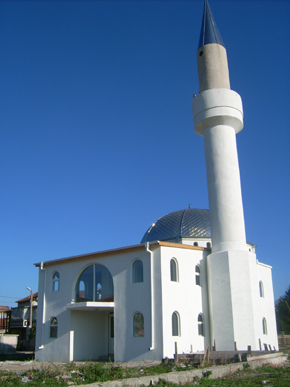 This urgent report is based on the resent proposal for changes within the legal status of the Muslim mosques on the territory of Bulgaria. The controversial changes may allow even Muslim temples which are protected as buildings of historical value to be reactivated and used again for service. This will inevitably affect the Muslim community on the Balkan Peninsula, as well as the Bulgarian Pomaks – a Bulgarian-speaking Muslim population group native to southern Bulgaria. The building of Muslim mosques on the territory of Bulgaria has been revitalized in the past decade, especially in the villages in Southern Bulgaria where Pomaks live.
Prayer, Fasting and Spirituality
Nearly seven out of ten (69%) of the surveyed Bulgarians strongly affirm the expectation that the Bulgarian Church is a prayer center. In contrast, only 17% believe that prayer should be the primary function of the church.
Prayer
One out of two unchurched Bulgarians do not see a connection between prayer and spirituality.
One out of two church members affirm prayer and home groups as priority ministries for the church.
Every second church member prays twice or more daily
One out of four (25.53%) church members do not pray in the morning, noon nor evening, but do pray every day at another appointed time
Every fourth (25.5 %) church member has no set time for prayer.
Fasting
40% do not fast
24% fast sometimes
18% fast once or twice weekly
18% fast more than two days per week
Spirituality is defined by church members as:
Walking in the Spirit (40%)
Closeness to God (31%)
Operating under the gifts of the Spirit (11%)
Love toward neighbor (10%)
Works of faith (5%)
Care for widows and orphans (2%)
Humbleness (1%)
None of the surveyed, defines spirituality as resulting from prayer and fasting or standing under persecutions


