

BC/AD 2011 (Bible Camp/All Denominations) in Bulgaria – A Vision of Purpose
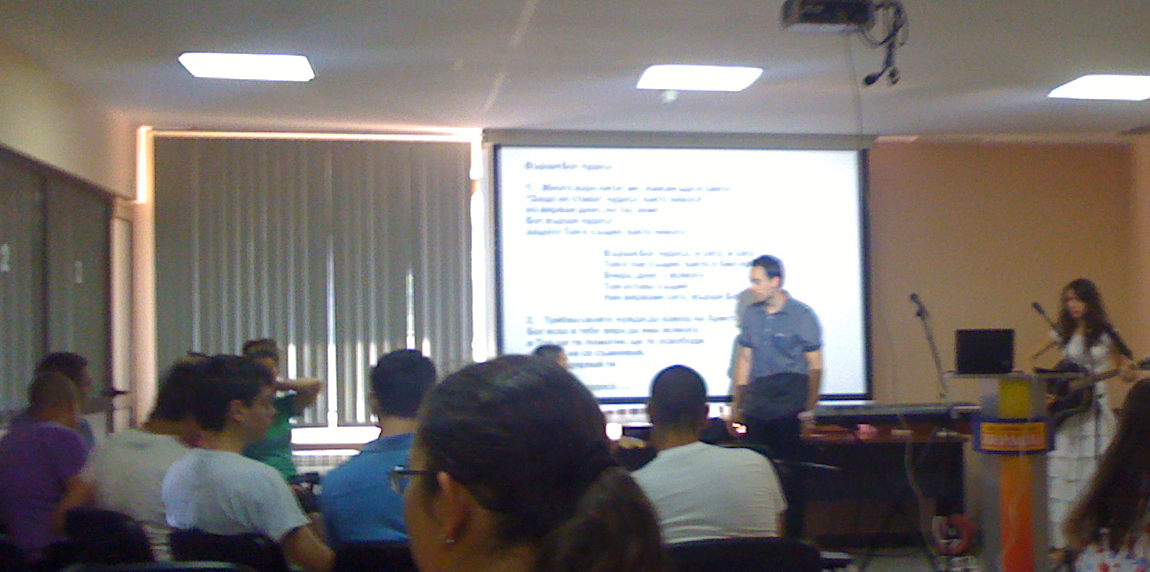
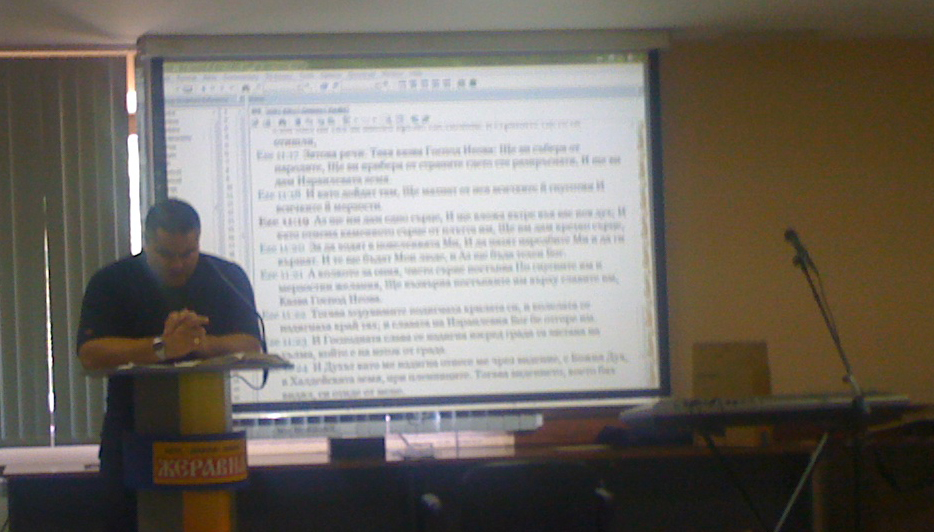
Since 2008, when we began the Mobile School of Ministry in Bulgaria, our team has been able to organize an annual youth camp purposing the training and equipping young ministers for the harvest of God in Bulgaria. Just recently, our training model has been featured by youth outreach organizations like Youth for Christ via their European regional office in Barcelona, Spain.
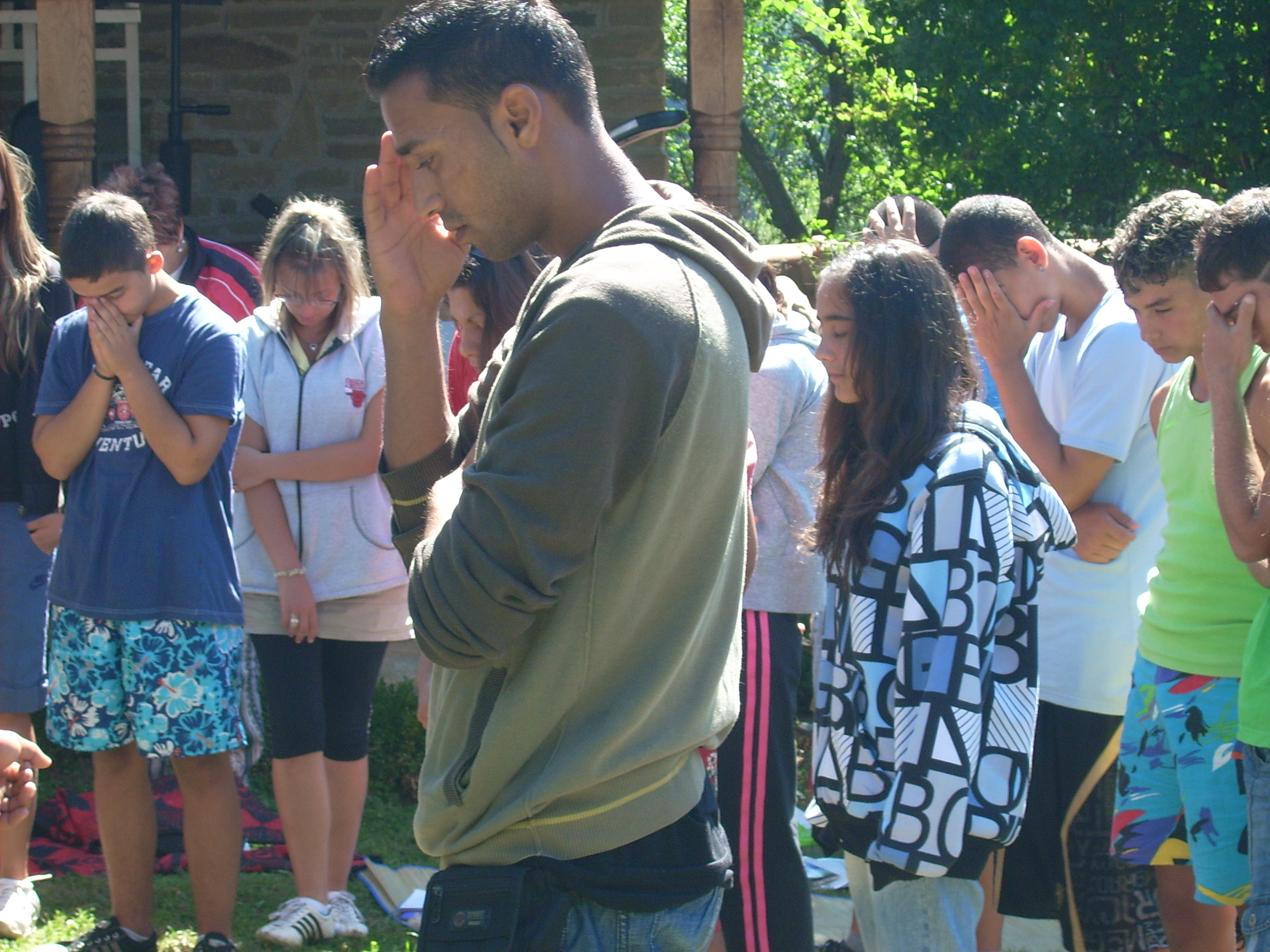
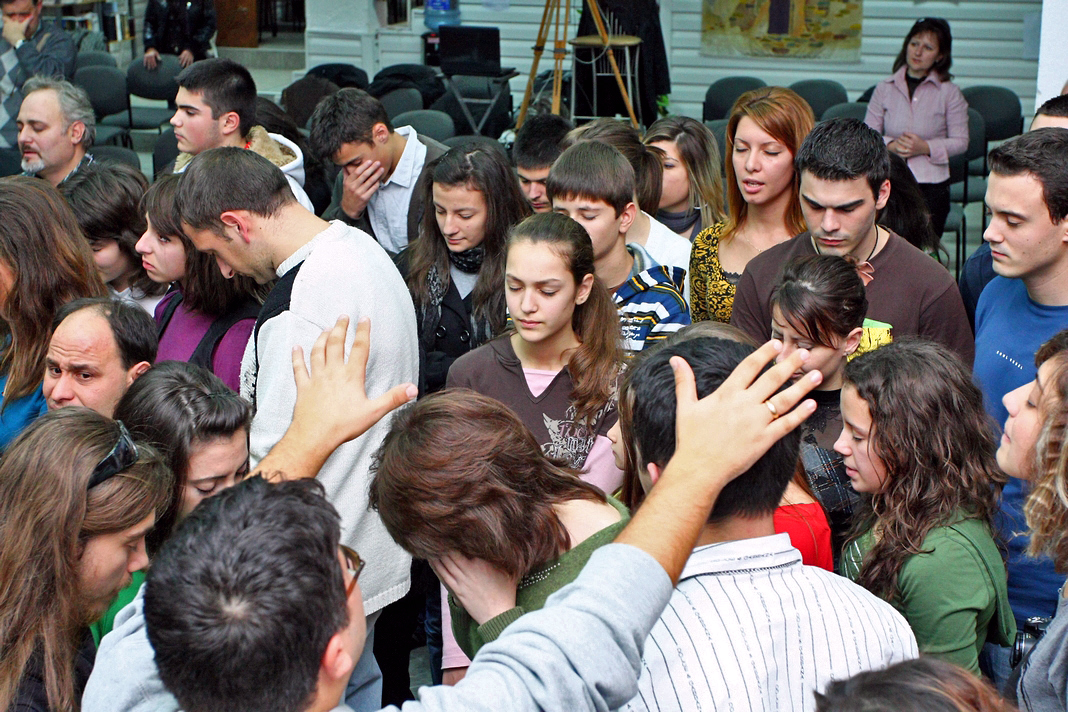
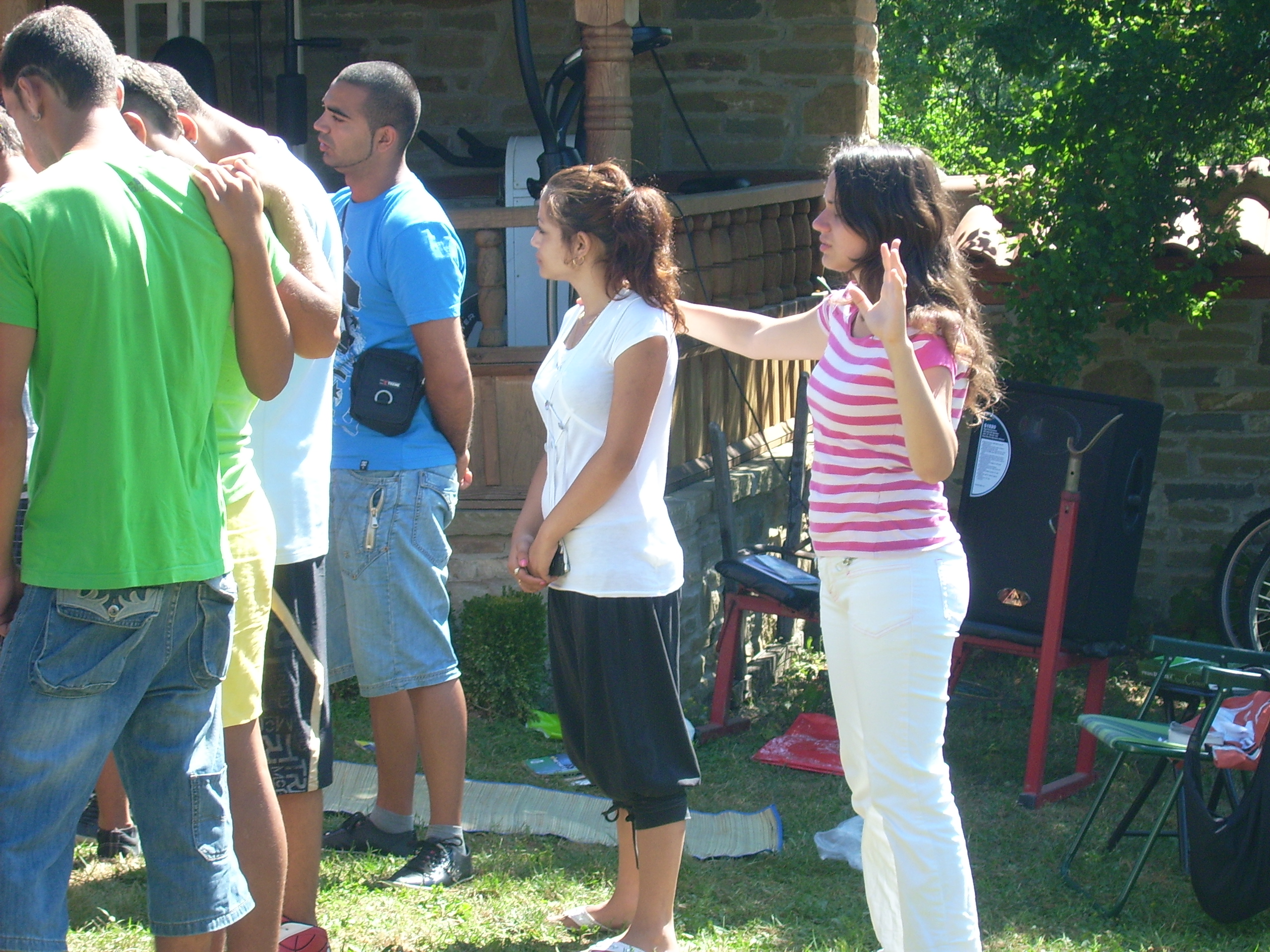
When you hear about a youth camp you have a certain picture in mind like a reunion of friends who haven’t seen each other since last summer or times of fun, of games and so forth. But Bible Camp is not your typical youth camp. It was specifically designed for a select group of young people called and involved in the ministry.
This may sound strange at first, however, today in Bulgaria there are plenty of Christian camps for kids to hang out, play games and enjoy themselves. This camp is for young people who have accepted a calling for ministry on their lives. It is a time of prayer and fasting; a time of being one on one in a quiet place seeking the face of God, hearing His voice and seeing His Glory abide in a genuine Biblical and personal experience.
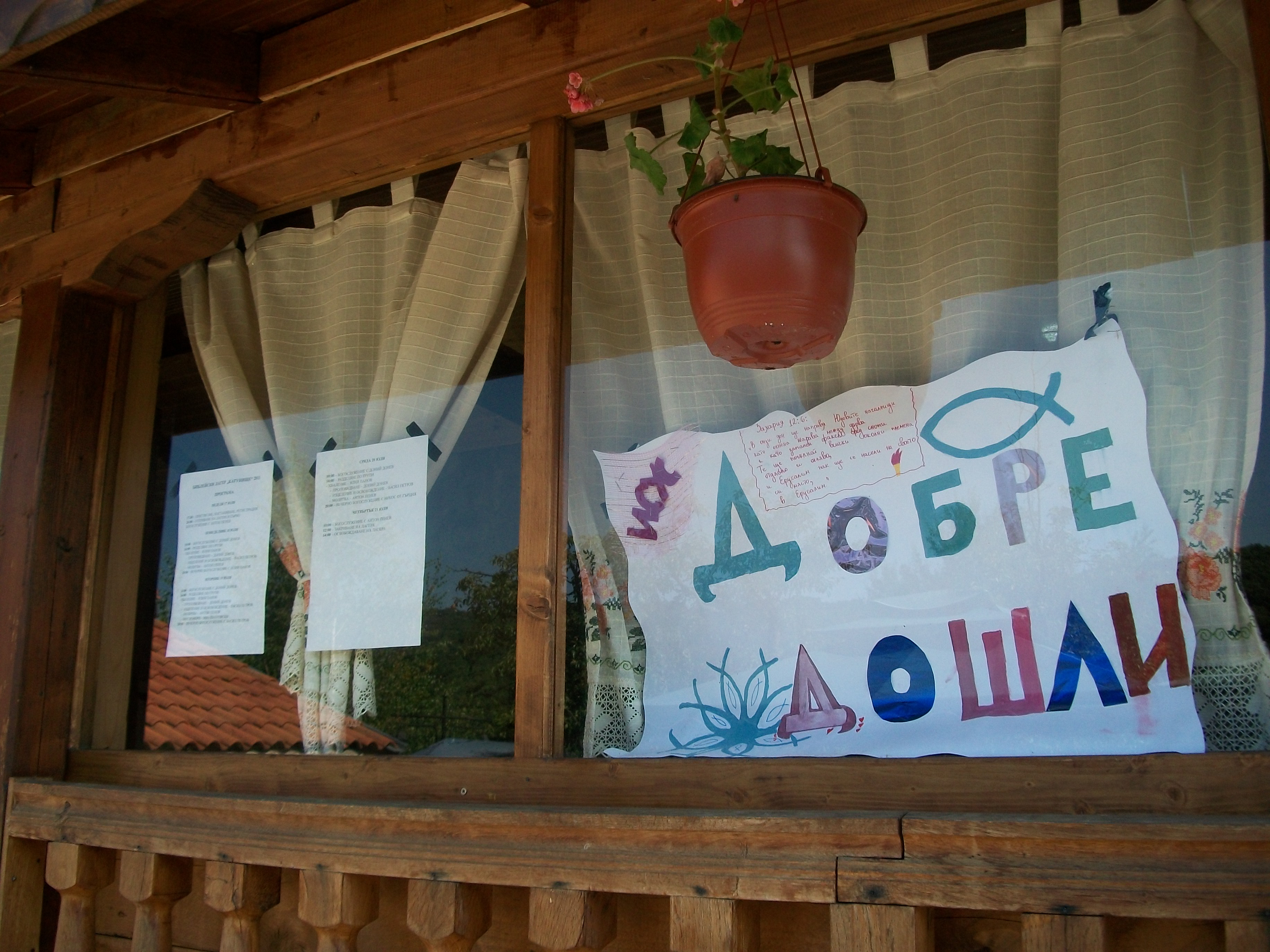
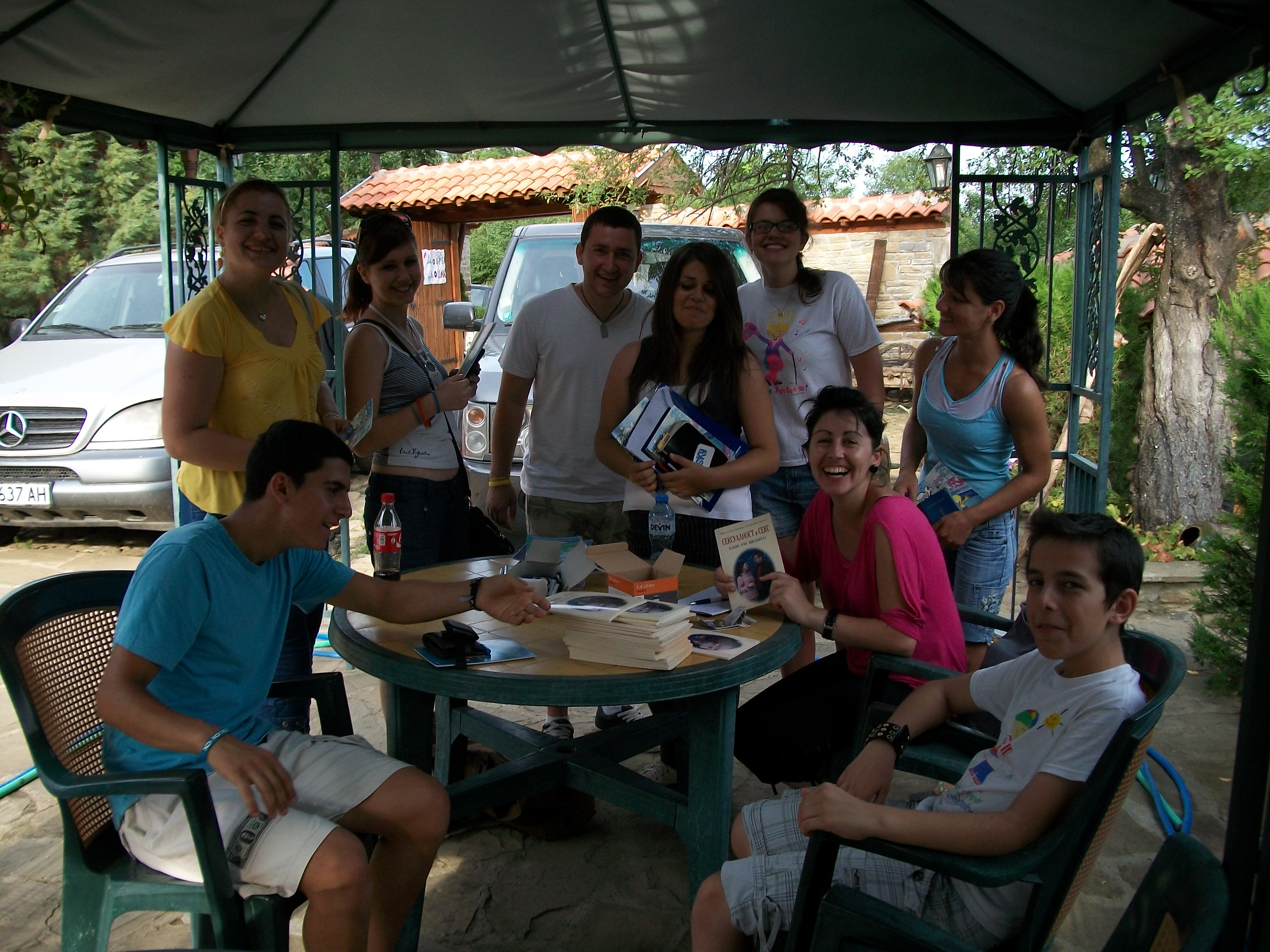
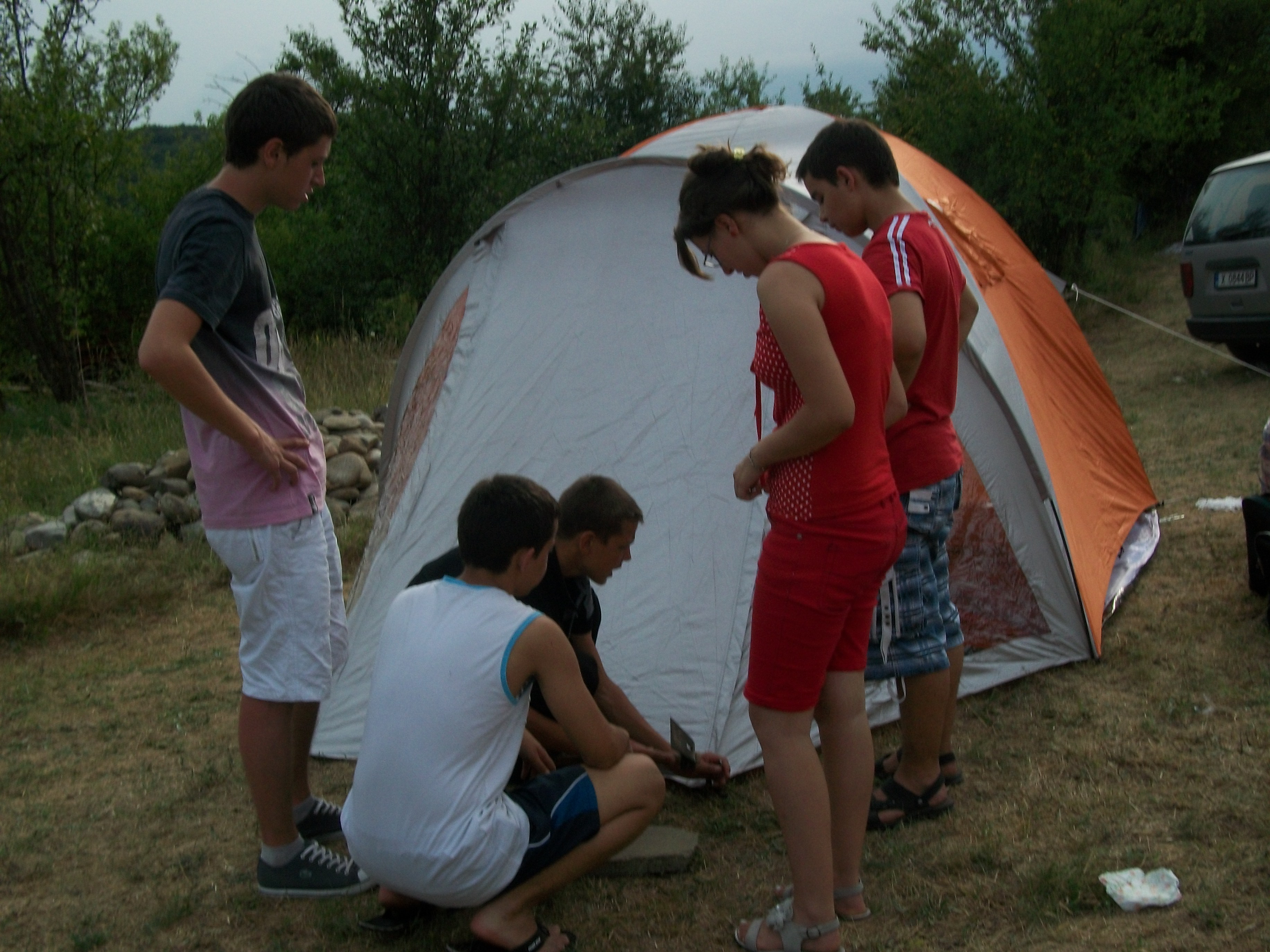
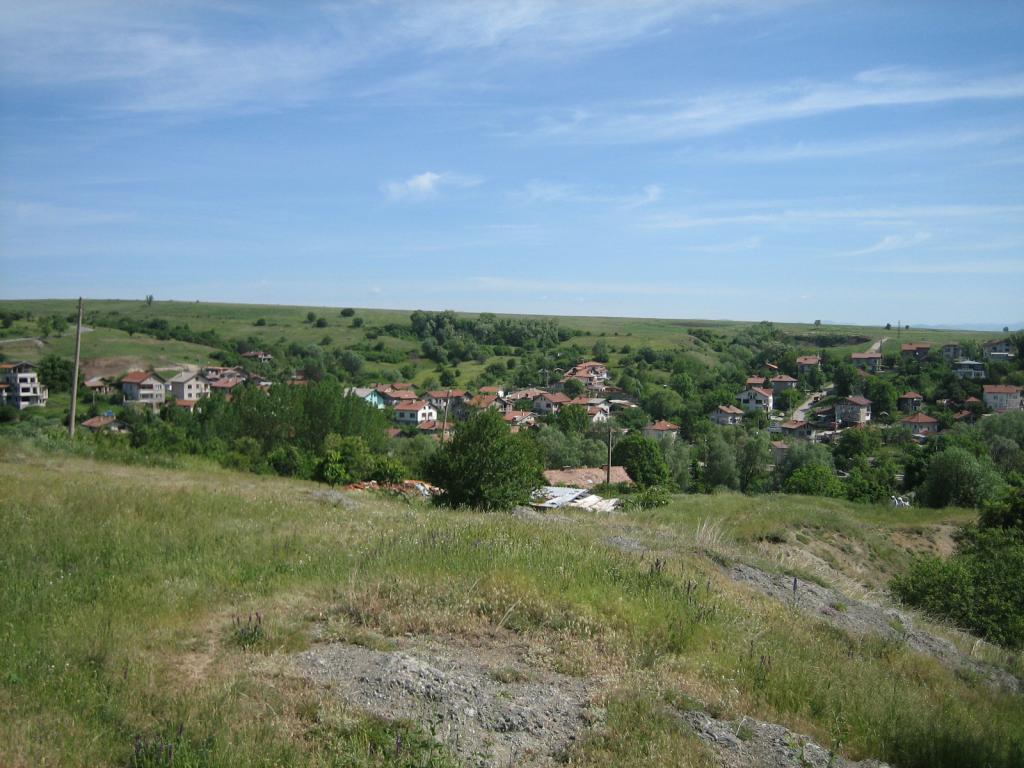
As early as 2008, this unique opportunity to train workers for the Harvest has been in the planning. It began with a Word that the Lord is calling a new generation to a new level of ministry in Bulgaria. This vision was casted among the churches and as a result teams from various towns were formed and we began having monthly leadership training seminars in the village Katunishte in the Balkan mountain in 2009.
Then, 2010 marked the first year of having an organized camp. Now, several years latter, we are able to announce that the second national annual Bible Camp in Bulgaria was a reality and a success. This is a camp that did not just spring up over night. Much prayer, planning and partnership went into making the vision a reality. (Continues)
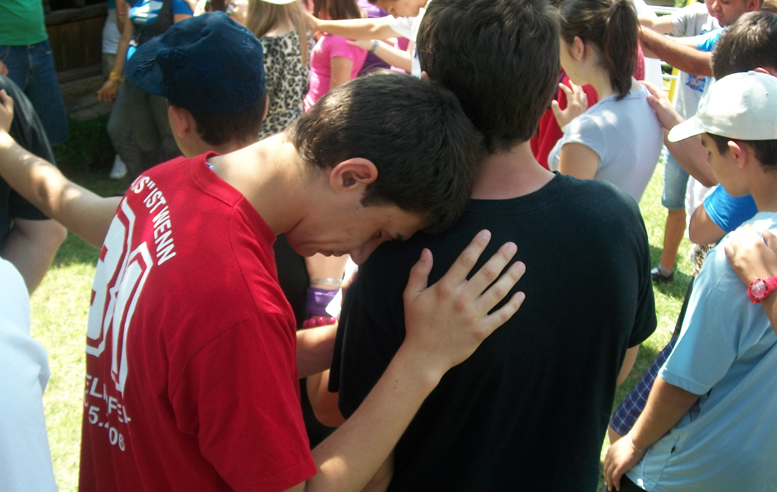
ALL ABOUT BIBLE CAMP 2011 BULGARIA:
BC/AD 2011 (Bible Camp/All Denominations) – God’s Favor Realized
BC/AD 2011 (Bible Camp/All Denominations) in Bulgaria – A New Paradigm for Ministry in the Spirit
Regional Youth Rally in Bankya


Revival in Haskovo


Masters in Chaplaincy Program in Bulgaria Continues
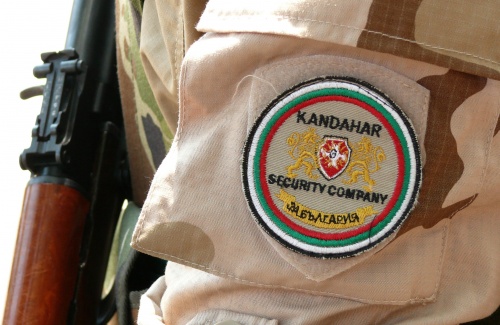 Just this past week our students of the first Masters in Chaplaincy Program in Bulgaria finished their classes of the Theology Module. This is the second of three sets of courses designed to equip active chaplains in Bulgaria for a new level of ministry in the armed forces, medical establishments and correctional institutions. The theology module incorporated various subjects from several schools of thought giving the students a solid theological background on a master’s seminary level for their future ministry. We are now ready to approach the last of the three modules, which deals with clinical psychology and Christian counseling, which will involve the students in a set of research assignments and practicum curriculum contributing directly to the writing and defense of their masters’ thesis prior to graduation from the chaplaincy program. Selected thesis will be published by the university’s press as a new volume in their innovative series and turned to NATO’s research foundation as a proposal to consider chaplaincy within the Bulgarian Army, which still remains the only armed force within the Alliance’ structure which does not implement chaplaincy into their missions.
2011 Historic Pentecostal Revival Tour in Bulgaria Continues
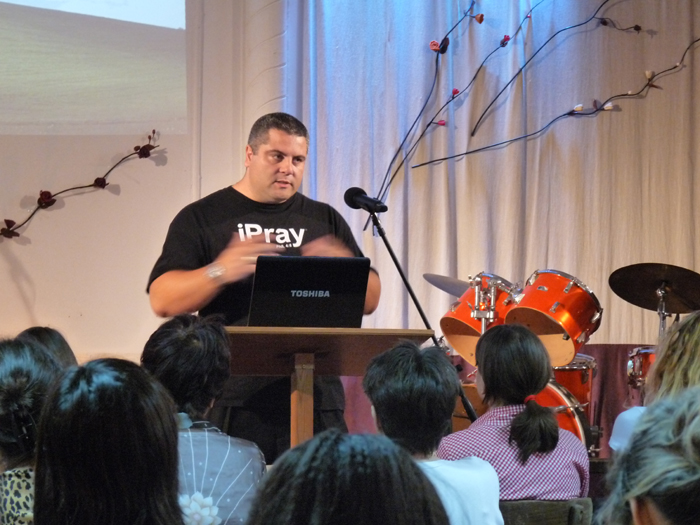
We continued our Historic Pentecostal Revival Tour in celebration of the 90th anniversary of the First Bulgarian Pentecostal Revival with the Church Leadership Summit in Silistra – an event that has been in prayerful planning for almost two years now. It involved a day of leadership training for the pastors and workers of all churches in the Silistra region. Silistra – is a port city of northeastern Bulgaria, lying on the southern bank of the lower Danube at the country’s border with Romania. The town is a major cultural, industrial, transportation and educational center with many historical landmarks including a Roman port, remains of the Medieval fortress and a Turkish Ottoman fort. But our purpose there was not religious tourism, but rather to bring valued principles of church leadership and growth to the heart of this major educational center of north-eastern Bulgaria.
The training took place all day on Saturday with breaks in between for fellowship and discussion. We started the morning sessions with an introduction to the subject of Church Leadership and Team Work, while the afternoon brought in a major way the lecture of Structuring the Church for Growth with a review and consecutive discussion groups. It was well received and time for questions at the end was very inviting. As always, it was encouraging to watch church leaders from various denominational groups and religious backgrounds opening for learning and change, while engaging in a healthy dialogue together. Many inquiries regarded concerns of motivation which lead to an invitation to return and hold another training event specifically on the subject of Internal Motivation within Church Leadership. Then in the Sunday service, we brought a message on the Last Day Prophecies.
The trip was also very important to our ministry, as last time when we were in Silistra six years ago we signed the contract for publishing the New Bulgarian Translation of the Bible beginning with Gospel of John. It was a great joy and even greater blessing to be back and meet with our friends at Eagle Publishers. There, we discussed recent and future projects as well as new ministry opportunities in light of their new technological capabilities. We hope to partner together on several projects including a 140th anniversary of the first Bulgarian Bible of 1871, the new translation of the Gospel of Mark, our research essays on Bulgarian Protestant history and of course the long awaited Sunday School project for the Church of God. We were able to pick up several containers of Christian materials including our new translation of Matthew, which will be given to the participants at our 2011 Ministry Camp in July.
While in Silistra, we also received a special invitation to view the art gallery of one lady from the church. Her husband and she spent over 40 years painting Christian oriented murals, portraits and so forth, which have been preserved over these years and put on display. With every piece came a story and the story will continue to live on for years to come.
After the morning service on Sunday we left immediately and traveled to the old Bulgarian capital city of Veliko Tarnovo where we ministered to the newly formed Bulgarian Church of God congregation there. Although still relatively small in numbers, they have grown in size since our previous fellowship together last year, moving from home group meetings to a rented conference room in the city center. Regional Bishop, Pastor Vassil Petrov, shared with us of their search for a new method of ministry in which we were able to offer some suggestions for such transformation. From there we traveled to Gabrovo where we where able to further fellowship in the regional bishop’s meeting.
Late Monday morning we traveled to Kuzanluk where the first Baptist church in Bulgaria was established in the 19th century and where some of the first baptisms with the Holy Spirit in Bulgaria occurred in the early 1920s. We were able to inspect the ongoing church renovation there while meeting with leaders of various churches.
Please keep us in your prayers as our journey is long and the days are but few here in Bulgaria. Yet the reward of the ministry is great and the satisfaction makes things easier watching this great nation awaking for a revival with God once again. We have noticed great spiritual change since we returned with the effects of the economic crises here. And with over 400 miles driven, 4 days traveled, 5 lectures delivered, 2 sermons preached in this part of our commemorative Pentecostal Tour, you still cannot put a price on the salvation of a human soul. Go to the ends of the world to preach the Gospel is still the command. Whatever the cost.
NEW REVIVAL in BULGARIA
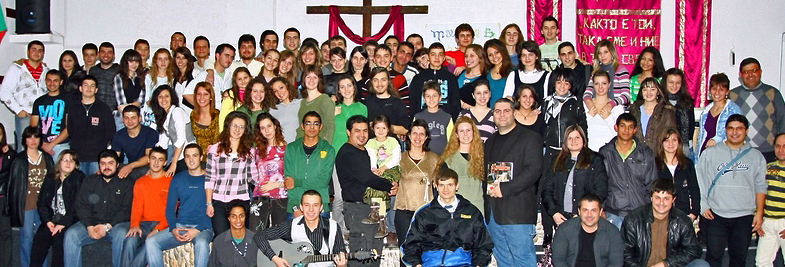
Unprecedented revival is sweeping the country of Bulgaria again and has started among the Pentecostal Church of God. We have spent the last full month in traveling and preaching in key churches crossing the country from the capital Sofia to the Black Sea and from the Danube River through the Balkan Mountains to the Thracian Valley.
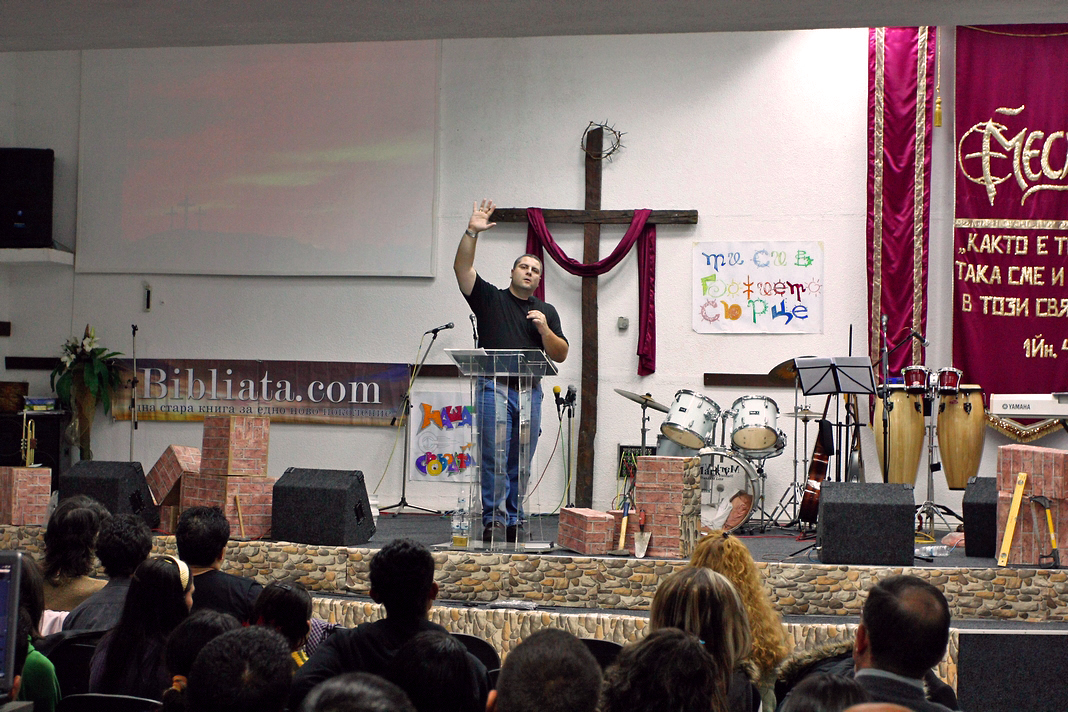

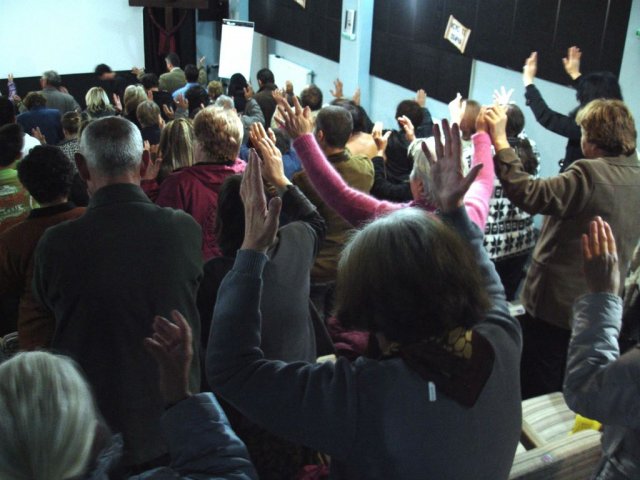
While people in general are struggling with the economic and political crises and the church is in continuous leadership dilemmas, God is on the move with a new revival mainly among the new generation of young people. We saw this in recent national youth events like our spring 2011 youth leaders gathering near Yambol and the regional youth revival in Silistra during Easter. Similar meetings were reported in Eastern Bulgaria in May and in the capital Sofia in June with the arrival of praise team from Hillsong, which gathered over 7,000 people in one single event. And last but not least, various meetings of Roma leaders and youth, to which we had the privilege to contribute as well.
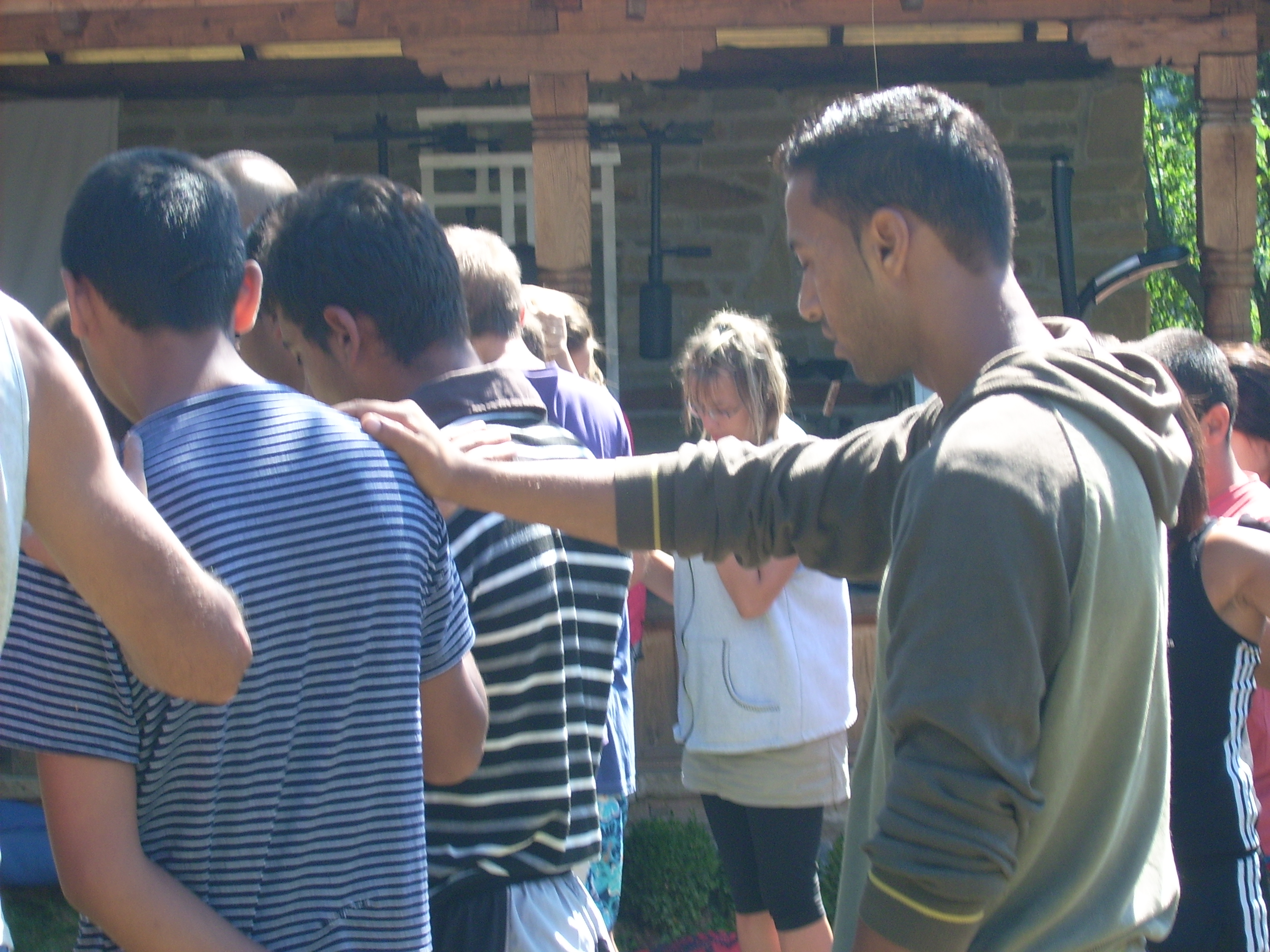

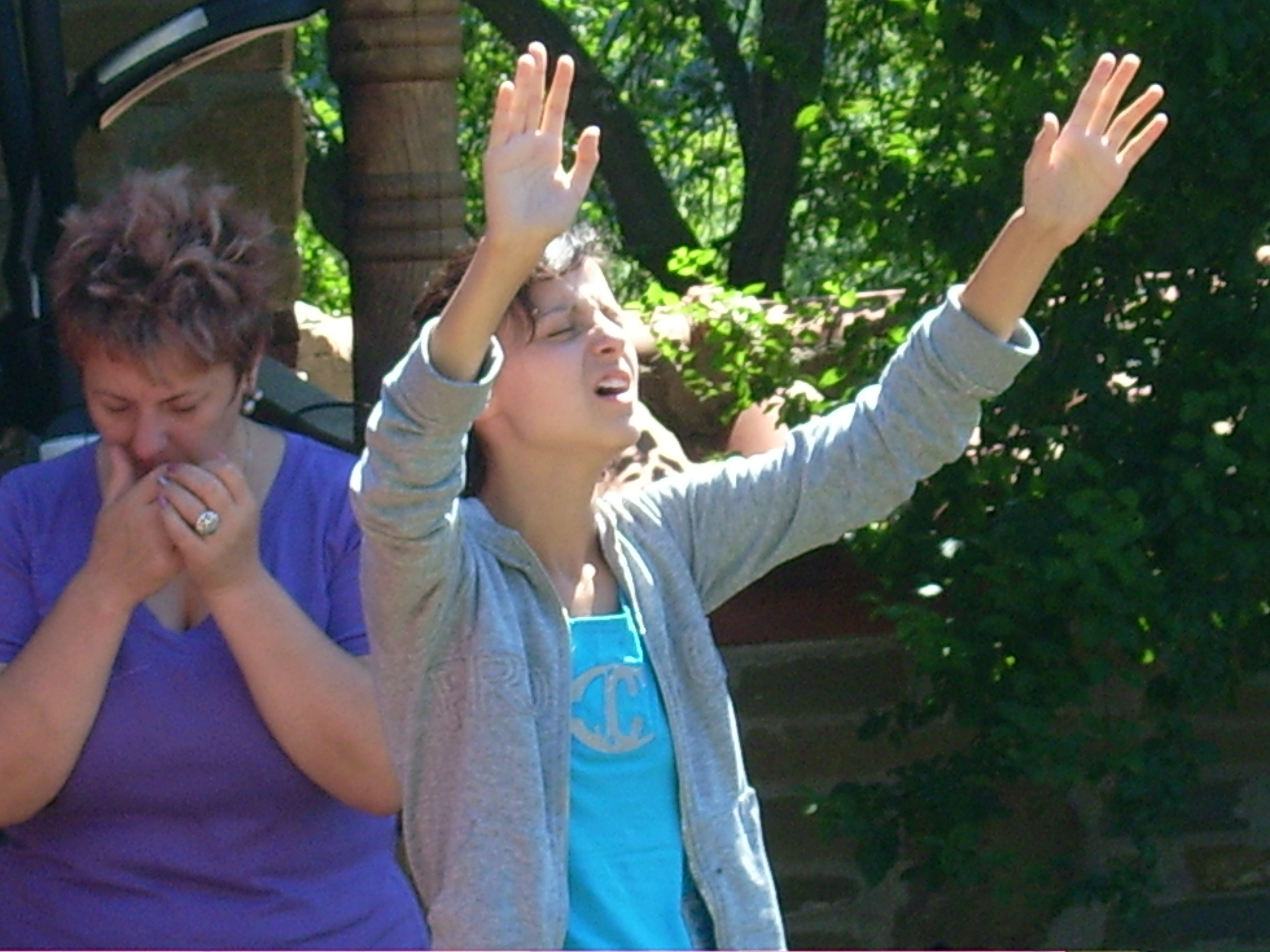
We are now looking forward to combining these experiences within our national Bible Camp which we hold for young ministers and youth leaders, followed by the New Wave camp at the Black Sea and the traditional Karandila Youth Camp in the Balkan Mountain. For when one generation looses touch with God, as described in Jeremiah 5:31, God always brings a new generation to serve Him. Today, God is raising a generation of young and faithful people full with the Holy Ghost, and we simply cannot afford to stay out of this great move of God in the last days.
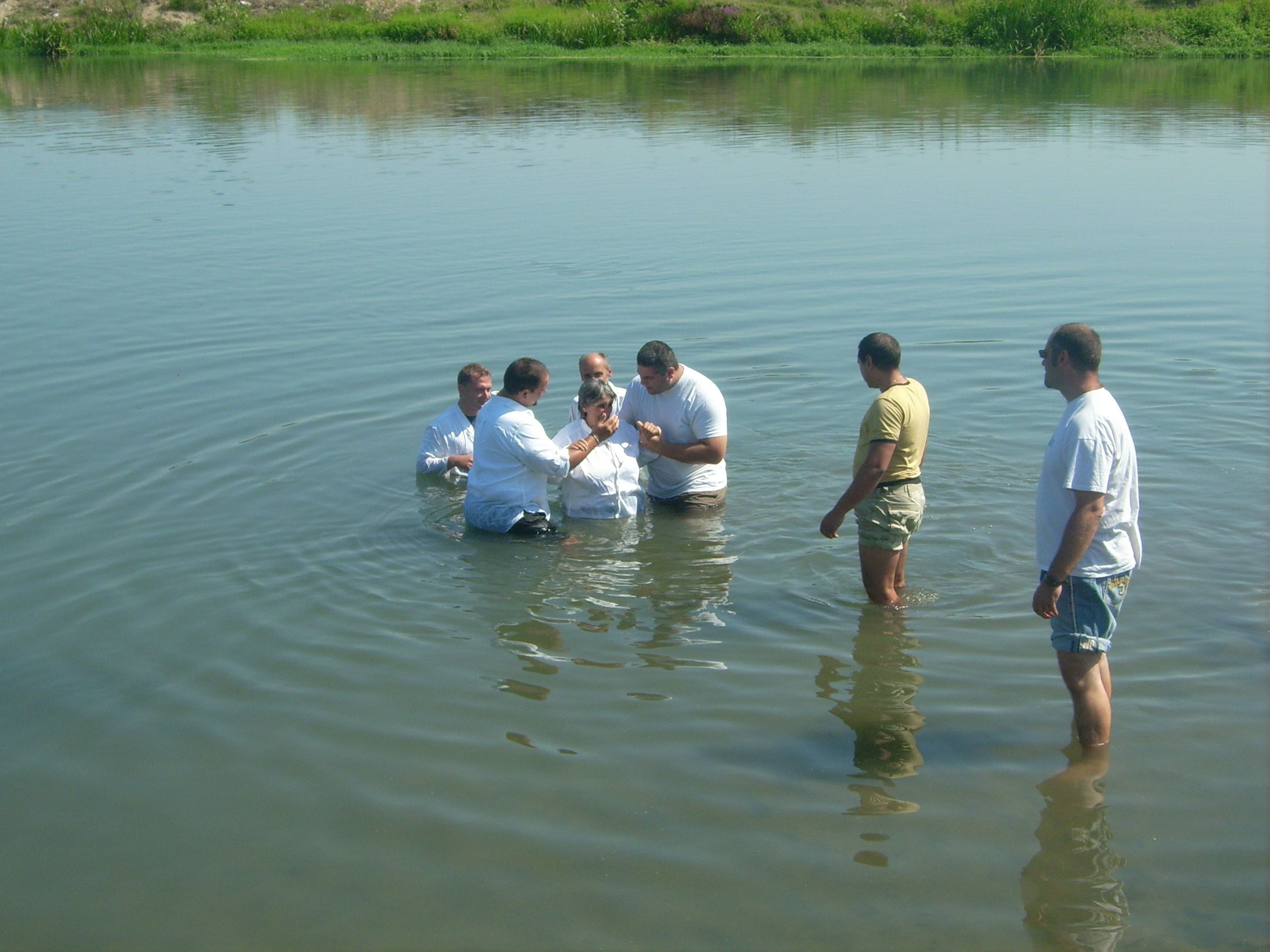
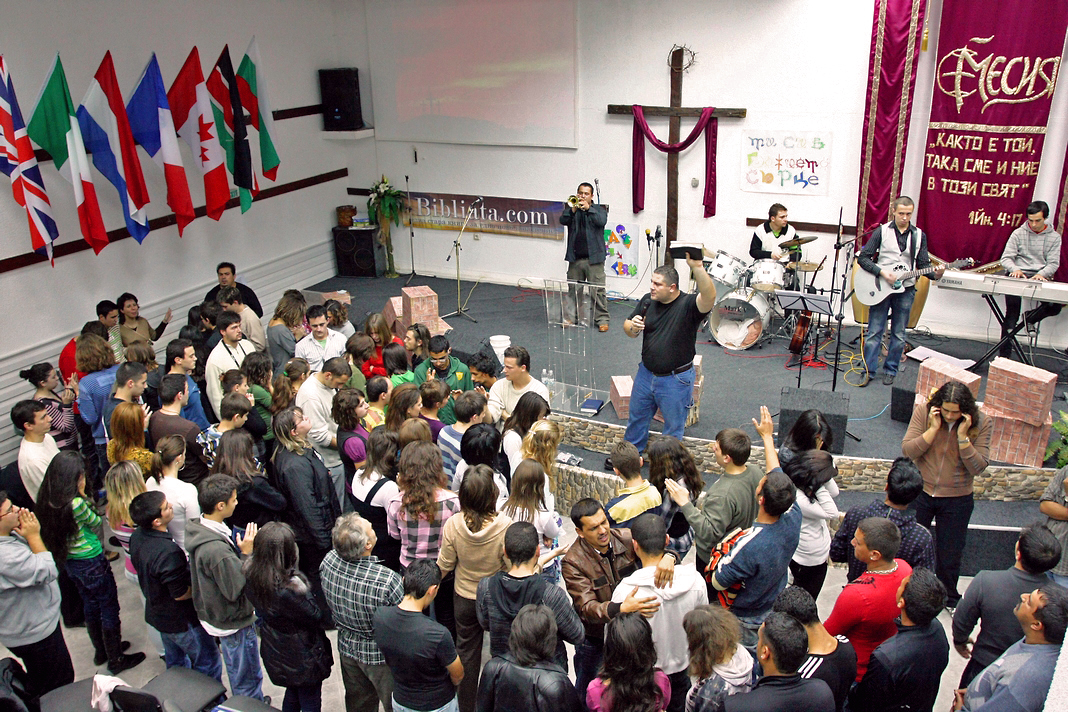

2011 Historic Pentecostal Revival Tour in Bulgaria
Celebrating 90 years since the first Pentecostal revival in Bulgaria
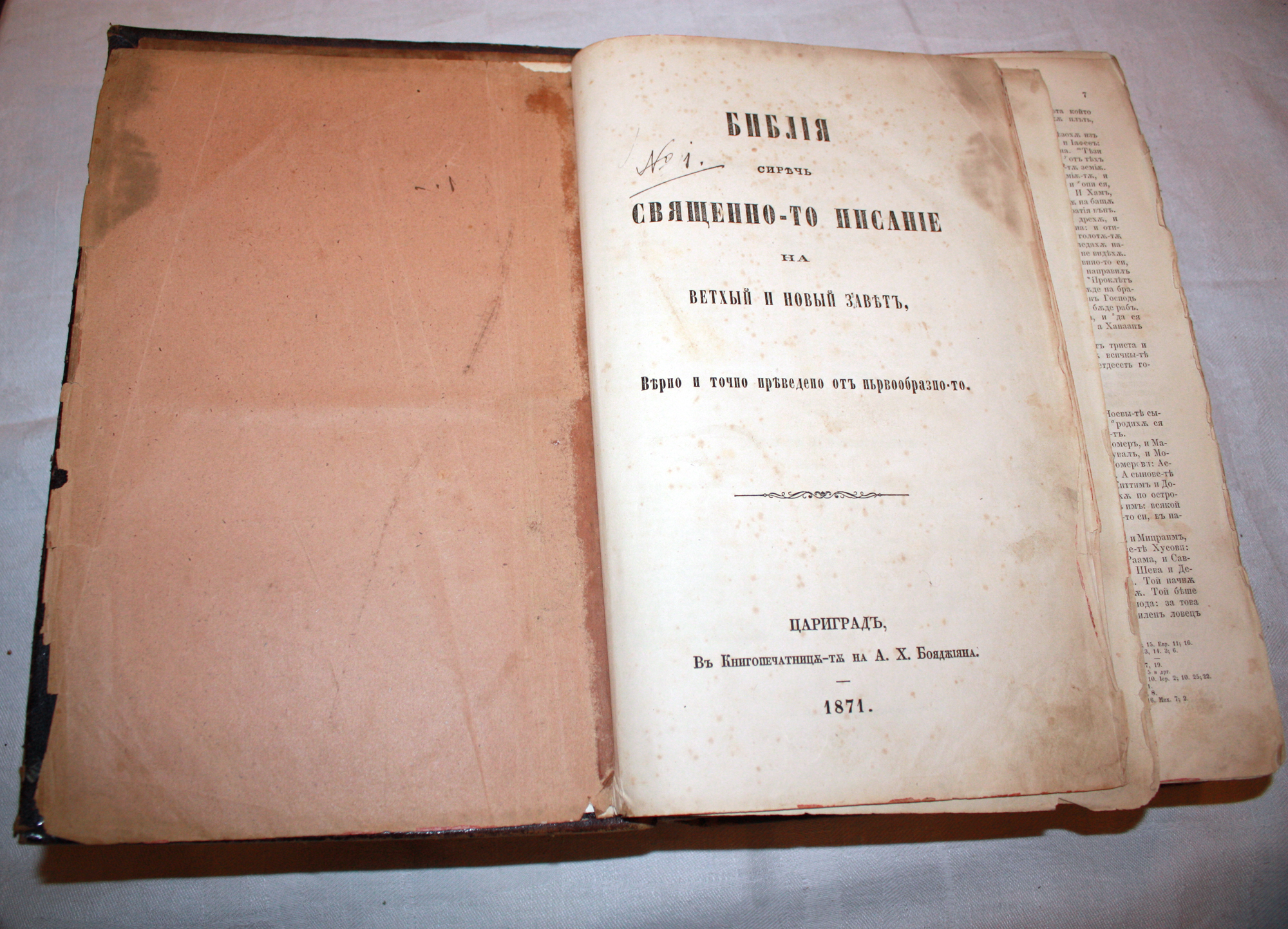
Exactly 400 years ago, the first King James Bible was printed in June, 1611. The first Bulgarian Bible was printed 140 years ago in June, 1871. The first Pentecostal Revival in Bulgaria took place between Easter and Pentecost of 1921. And finally, exactly 20 years the Pravetz youth group, where I had the privilege to begin my ministry, experienced a spiritual revival in which hundreds of young people were reached and saved.

To commemorate this great heritage, we undertook a historic revival tour during the month of June in Bulgaria. We started at the Black Sea with the momentous ordination of presbyters in the church of Aheloy – one of the few Church of God congregations with the original doctrine and practice. The special ordination service on Saturday night went on with prayer and praise, communion and foot washing until 2am.
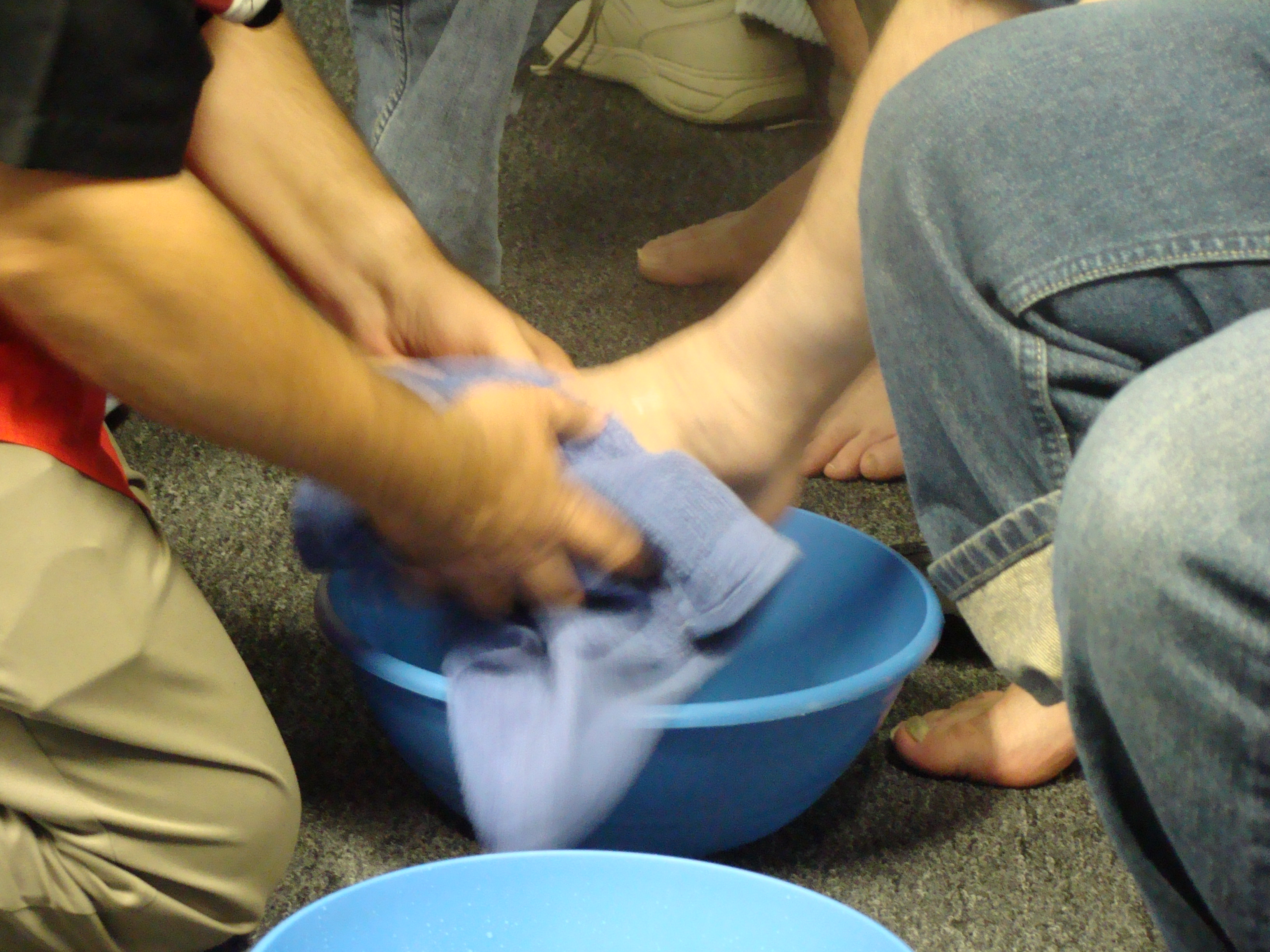
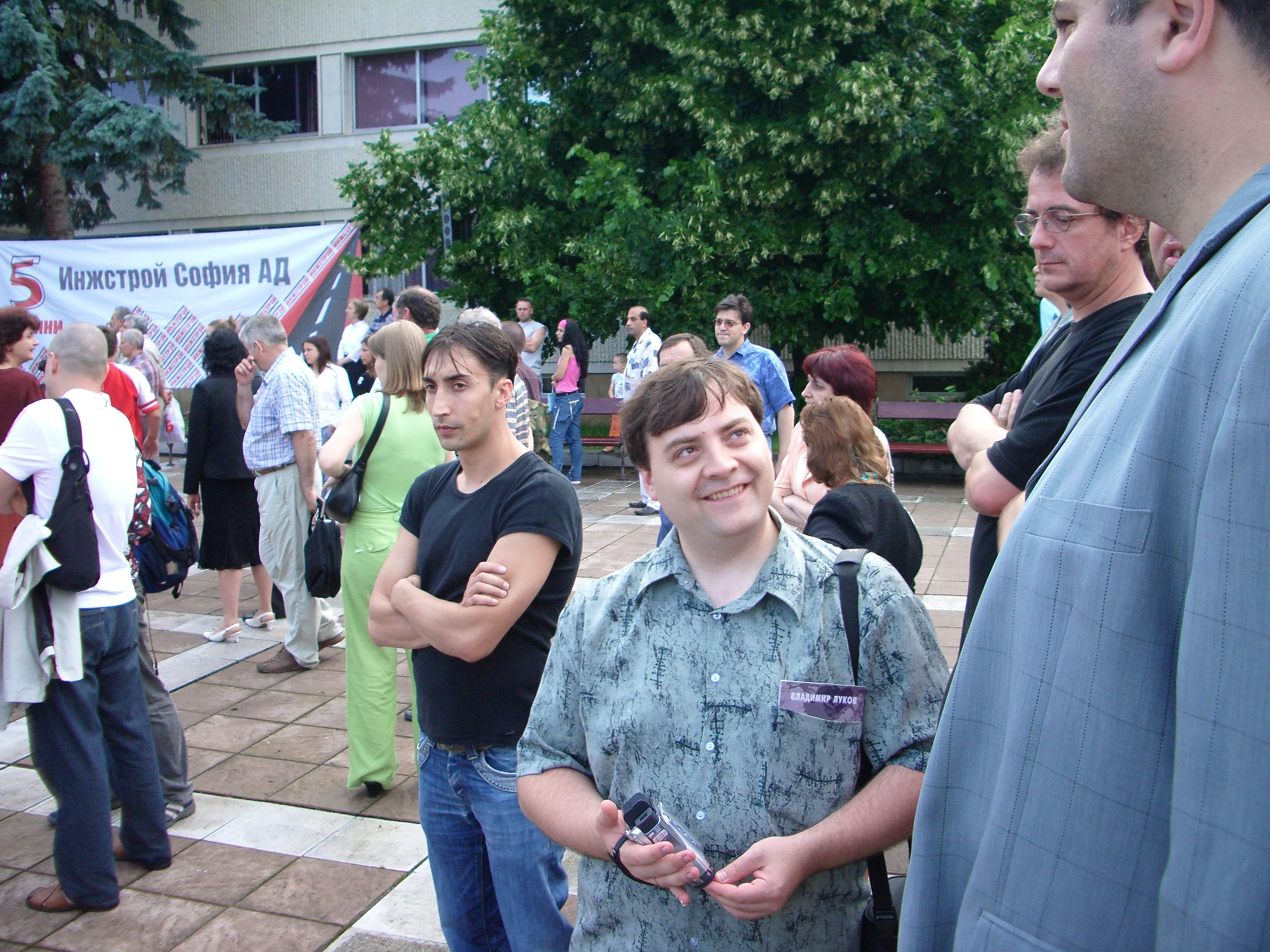
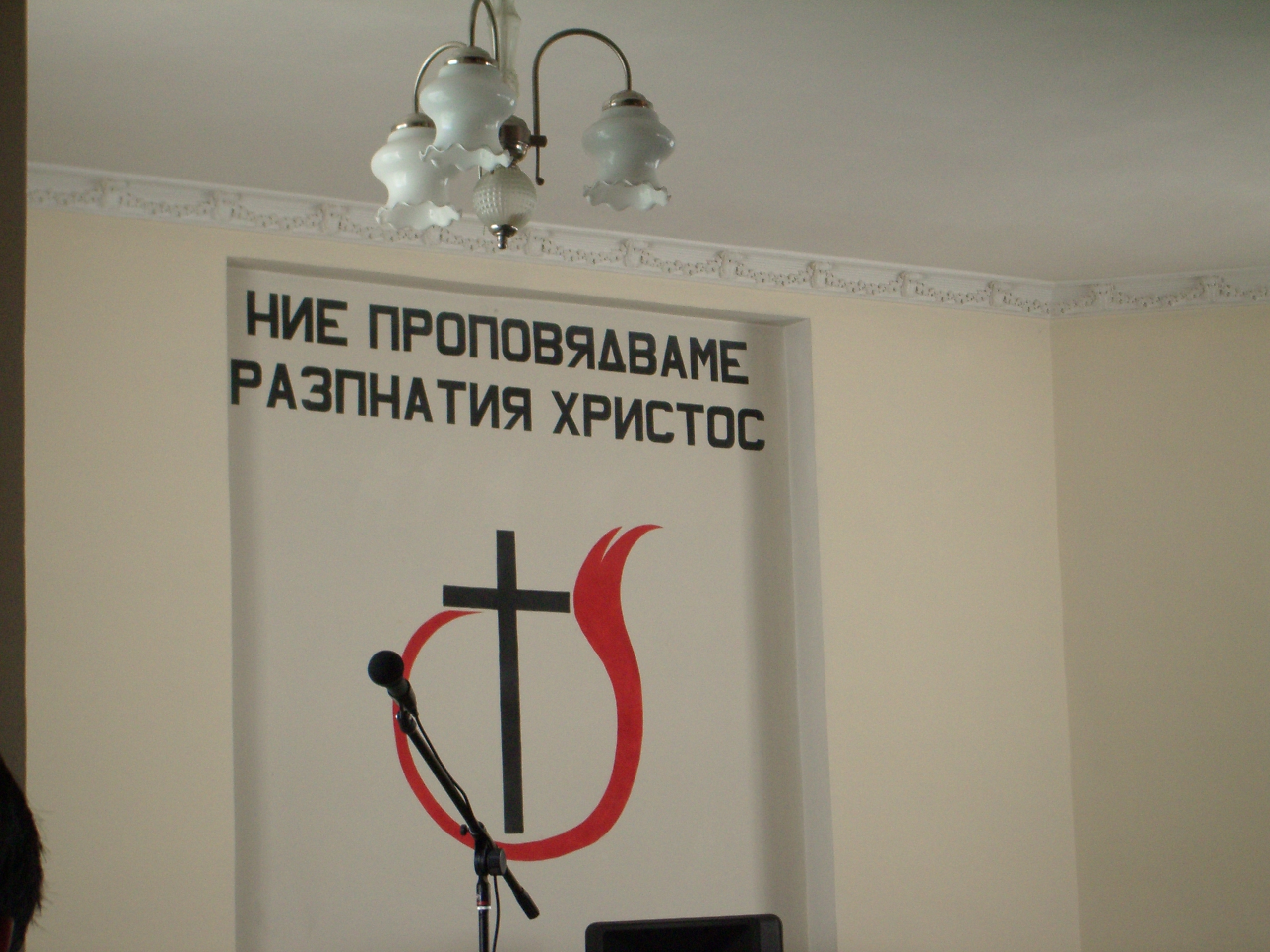
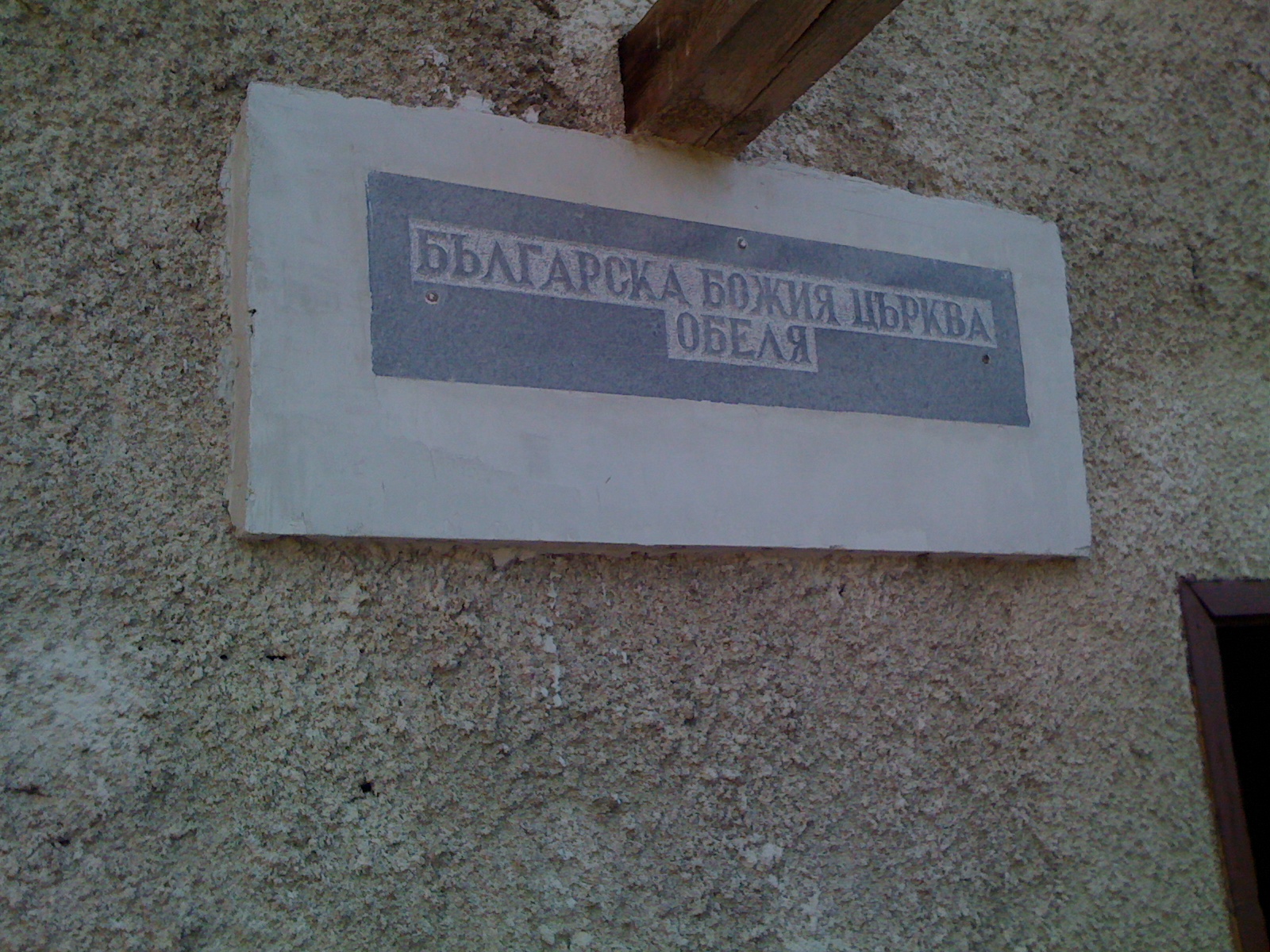
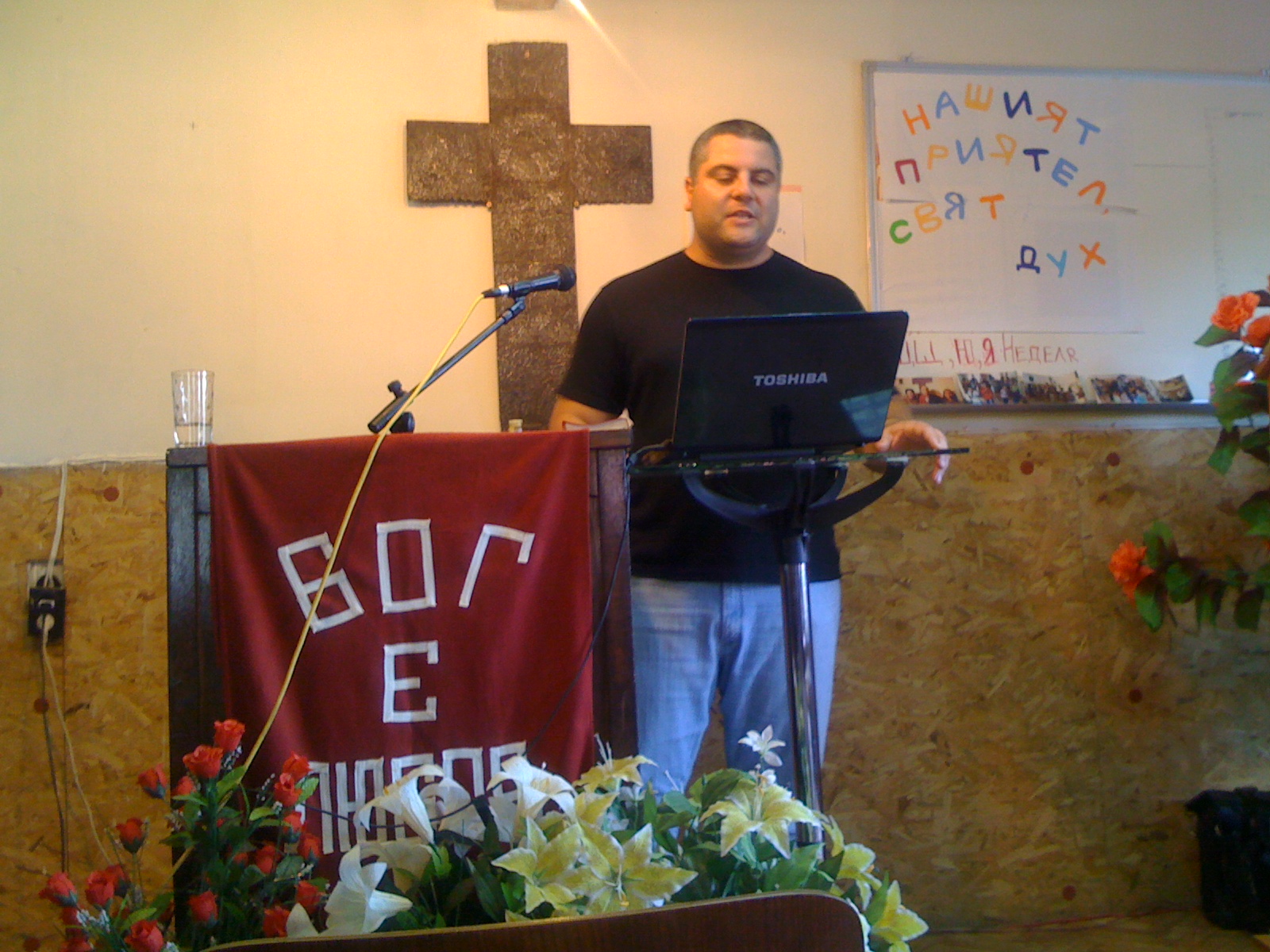
Then on Sunday we gathered at 6:30am for prayer and followed with the morning service. We continued with services in Pravetz, where our youth group celebrated its 20-year anniversary, then at the church in Verdical near Sofia with a special foot washing and communion service, and finally in Sofia with a prophetic word to the Church of God in the Obelya suburb.
The Exodus of the Youth from Church: In Search of Answers to a Dark Dilemma
 by Kathryn N. Donev
I recently sat in a lecture “Why Are Youth Leaving the Church?” I listened to the most recent statistics, compared one opinion to the next, looked at the latest church involvement research and even explored some emerging themes of why people in general leave the faith. All the information was very interesting and contained an impressive collaboration of ideas. The research does not lie and opinions are to be valued. However, honestly what good does this enlightenment do us when we sit back and do nothing to correct the problem? We are so used to youth leaving our church that we have become complacent with pews filled with “ancient dinosaurs” in the words of a young lady just last week. We have become so overwhelmed with data that we forget to look at the real picture of why our next generation of leaders are leaving. Or perhaps we do nothing because we simply don’t understand young people’s true motivation for leaving the church. The answers may be uncomfortable for some but they deserve deeper exploration.
Youth are leaving the church but this does not necessarily mean they all are leaving the faith. Many young people of today have much more faith than some of the pew fillers whom have their assigned seats with their pillows and blankets left to save their spots. So if this is the case that they still have a genuine relationship with Christ but simply don’t want to be within the four walls of religion, so to speak, should we not explore the million dollar question differently? We should not excuse away their leaving to agnosticism, postmodernism or neopaganism regardless of how cleverly it takes the focus off of the real concerns and sins of the “church.” It is not a very popular idea to confess the sins of the church which is ironic when we proclaim to be a house of confession. Perhaps confession is only good for the soul as long as the sins are not our own. Behind the irony rests a darker problem, one that is responsible for many young people leaving the church.
For years the church has been a place of hypocrisy and today’s young generation is one that is fed up with the dishonesty and is willing to take a stand. They are so disgusted they can no longer keep silent. They are not willing to “tweak the numbers” of the church financial records or work their way up the hierarchical ladder. They see through the masks and are not willing to compromise. Young people are tired of religious politics, bickering, back stabbing and lying. If we, the church, do not open our eyes to this now, if not yesterday, it will be too late.
This young generation is wandering looking for a place of refuge and they no longer find a safe place in the church house. The church regrettably is no longer safe. You cannot genuinely express your feelings, concerns or doubts without them being the topic of the message on the following Sunday morning. There is no longer trust within the church. The place of worship has turned into a place of gossip. A spiritual encounter has been replaced with a social gathering. The leadership of the Holy Spirit is no longer considered because we are too busy worrying about the opinions of others. So if by now you are still puzzled as to why the today’s youth are leaving the church then my heart is deeply saddened.
Nevertheless, we need to make a self-less effort and remember that the church does not exist for our personal entertainment. Realize it is not a prize to possess but is a treasure to be given away to the next generation. We must do whatever it takes to restore the tabernacle to its original purpose; to call its people back to holiness. We must be willing to give up our seat to the next generation before it is too late and there is no body left willing to fill the void.
Postscript: This article was written based on the following word the Lord gave me June, 2011: “The Church is not a prize to possess, but is a treasure to give away”.
Bulgaria in the Archives of the British and Foreign Bible Society in Cambridge
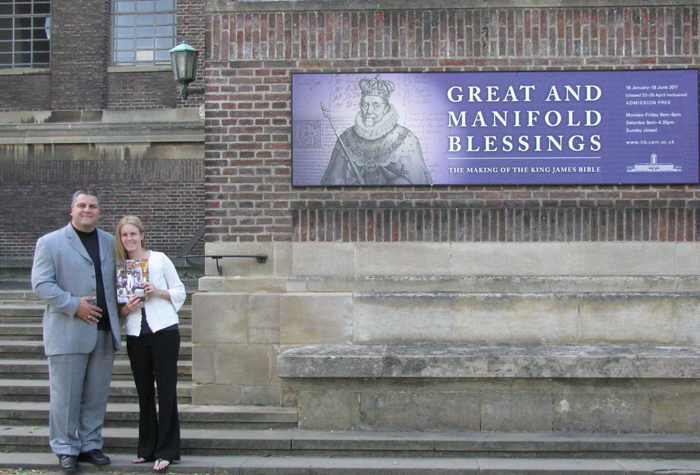
For the past 15 years, which we have dedicated to the study and translation of the Bulgarian Bible, it has been a personal dream of ours to visit and work with the Cambridge Library and more specifically with the historical documents which are related to the translation and publication of the Bulgarian Bible through the 18-19 centuries.
The closest we had come to examining the archives was back in 2005-2007 while searching for the lost copy of Theodocy Bistritzky’s 1820 translation of the Gospel of Mathew. We then found the only two copies left of that translation, one located in St. Petersburg (with a reproduction at the U.S. Library of Congress) and the other at the Cambridge Library.
Therefore, it was a great pleasure to receive an invitation to visit the Cambridge Library in connection with the 400-year anniversary of the King James Bible (1611) and use the opportunity to examine the available documents related to Bulgaria. The main difficulty with this task comes from the fact that during the 19th century Bulgaria was under Ottoman occupancy and documents related to the Bulgarian Bible are cataloged under various locations: European Turkey, Near East Mission, New Bulgarian Kingdom, Western Turkey, Bulgarian Kingdom or the Balkans. For this reason, many documents are yet not cataloged and remain the library’s stacks, which makes their discovery both difficult and exciting. Successfully completing our initial survey of the archives, we were able to take over 1,000 pages in pictures with the library’s permission. This first look at archives that have remain hidden for more than a century reveled three groups of documents containing the following items:
Catalog series BSA/E3/1/4 contains some 30 volumes with whole or partial copies of letters and documents. For the lack of copy machines back then, the items in the archive were written by hand. Eighteen of these volumes listed bellow, contain information about Bulgaria.
BSA/E3/1/3 (p. 23, 54, 69, 70, 107, 185, 190, 211-12, 229) – letters from 1859 to and from Rev. Dr. Chauffer, Benjamin Barker, Dr. Van Dayk, Dr. Riggs, etc., predominantly referring to the revision of the Bulgarian New Testament.
BSA/E3/1/4/2 (p. 60, 75, 96-99, 107-109, 160-166, 272, 305) – letters from 1862-63 of Rev. Баркър, Thomson, etc., about the translation of the Pentateuch including an important index of the corrections in revision of the Bulgarian New Testament (p. 162).
BSA/E3/1/4/3 (p. 48, 64, 102, 111, 114, 149, 160-1, 172, 185, 222, 227) – letters from 1861-62, 1865 на Benjamin Barker, Dr. Riggs, J.W. Muller, Thomson and others. This correspondence set discusses the importance of changing the Bulgarian translation to the Eastern (Tarnovo) dialect.
BSA/E3/1/4/4 (p. 3) – letter by Dr. Thomson about Dr. Riggs work on the Bulgarian Bible.
BSA/E3/1/4/5 (p. 302, 311) – letters from 1867 about Dr. Long’s work on the Bulgarian Bible.
BSA/E3/1/4/6 (p. 150) – letter from Dr. Riggs to Dr. Thomson from October 3-29 1868, about the measurements in the Bulgarian translation.
BSA/E3/1/4/7 (p. 127, 136, 156) – letters from 1870.
BSA/E3/1/4/8 (p. 21, 24-25, 78, 102, 124-25, 129, 238) – letters from 1870-71 by Riggs, Thomson and others. Contains a fully revised table of the measurements in the Bulgarian Bible translation.
BSA/E3/1/4/9 (p. 275-76) – letter by Dr. Thomson about Dr. Riggs’s work on the translation of the Bulgarian Bible.
BSA/E3/1/4/10 (p. 150) – letter from 1874.
BSA/E3/1/4/11 (p. 66, 129, 199, 213, 237) – letters from 1874.
BSA/E3/1/4/12 (p. 40, 185, 248, 253, 260-61, 265) – 1876 letters to and from Dr. Thomson with a request to receive 200-300 copies of the Bulgarian edition of the Psalms. The collection ends with a parallel of several translations in a printed edition for the revising committee. (p. 265ff).
BSA/E3/1/4/13 (p. 13, 63, 73, 90, 304-05) – 1877-78 letters to Dr. Thomson.
BSA/E3/1/4/14 (p. 113) – letter to Dr. Thomson.
BSA/E3/1/4/16 (p. 181, 279) – letters by Dr. Thomson.
BSA/E3/1/4/20 (p. 232-35) – letter to Dr. Thomson from August 29 recommending a 3,000 copy publication of the Four Gospels with the Book of Acts in one volume in parallel with the Slavic text.
BSA/E3/1/4/25 (p. 196, 333) – letters from 1887-90.
BSA/E3/1/4/30 (p. 16-17, 51, 350) – letters from 1892.
Two additional folders marked with “Bulgarian” and catalog series BSA/83/3/67/1-2 has the complete BFBS correspondence from the first half of the 20th century. It refeers predominantly to the new revision of the text prepared for the 1924 Royal Publishing House edition of the Bulgarian Bible. Various other items are included as well, many of which related to the Evangelical School in Samokov (near the capital Sofia) and its full operational publishing house, along with many more documents important for the Bulgarian protestant history. A third and final item of interest is catalog series BSA/E3/2/19-20, BSA/E3/2/23 and BSA/E3/2/24-26.
The Land of Pentecostals
A brief Interaction with Walter Brueggemann
by Dr. Dony K. Donev

Since I began studying Pentecostal history sometime ago, I have pondered the question of space and how we, Pentecostals, associate with it. Perhaps, on a larger scale, all Christian associate with space and location, but for Pentecostals it somehow becomes part of the identity of a given event, process or even person. This association is so strong that we simply cannot tell our history without it. And how is one even expected to tell Pentecostal history without places like the Bethel School of Healing, 214 Bonnie Brie Street and the Azusa Street Mission? Or how are we supposed to tell our story, to give our testimony of events significant and central for our spiritual life without a place and a location, which in most cases defines them all? For example, our salvation is connected the place where we were saved and sanctified; baptism with water or with fire from above; healing on the spot at a given prayer meeting, miracle service or church revival. And even eschatology, always undividable from the meeting in the clouds and the Heavenly city.
For Pentecostals, the Full Gospel teaching is a covenant theology because it ultimately subscribes to the quest for the Promised Land. But, I’ve never been able to pin point the reasoning behind this until reviewing anew Brueggemann’s study of “The Land” and comparing his ideas with Pentecostal history and praxis through the following quotes that will exchange perspectives with the questions stated above and hopefully stir further thinking.
p.5 “Space” means an arena of freedom without coercion or accountability, free of pressure and void of authority. …. But “place” is a very different matter. Place is space which has historical meanings, where some things have happened which are now remembered and which provide continuity across generations. Place is space in which important words have been exchanged, which have established identity, defined vocation, and envisioned destiny. Place is space in which vows have been exchanged, promises have been made, and demands have been issued. Place is indeed a protest against unpromising pursuit of space. It is a declaration that our humanness cannot be found in escape, detachment, absence of commitment, and undefined freedom.
Whereas pursuit of space may be a flight from history, a yearning for a place is a decision to enter history with an identifiable people in an identifiable pilgrimage.”
p. 11 “The very land that promised to create space for human joy and freedom became the very source of dehumanizing exploitation and oppression. Land was indeed a problem for Israel. Time after time, Israel saw the land of promise become the land of problem.”
p. 15 “….land theology in the Bible: presuming upon the land and being expelled from it; trusting toward a land not yet possessed, but empowered by anticipation of it.”
p. 27 “The action is in the land promised, not in the land possessed … So Jacob, bearer of the promise, is buried in Canaan under promise.”
p. 42 “Presence is for pursuit of the promise …. The new people, contrasted with the old, are promise-trusters, rooted in Moses, linked to the faith of Caleb, and identified as the vulnerable ones. His presence is evident in his intervention not to keep things going, but to bring life out of death, to call to himself promise-trusters in the midst of promise-doubters.”
p. 47 “Israel knew that in his speaking and Israel’s hearing was its life. That is why the first word in Israel’s life is “listen” (Deut. 6:4)! Israel lived by a people-creating word spoken by this people-creator (Deut. 8:3).”
p. 51 “Both rain and manna come from heaven, from outside the history of coercion and demand.”
p. 53 “Israel does not have many resources with which to resist the temptation. The chief one is memory. At the boundary [of Gilgal] Israel is urged to remember …. Remembering is an historic activity. To practice it is to affirm one’s historicity.”
p. 54 “Land can be a place for historical remembering, for action that affirms the abrasive historicity of our existence. But land can also be, as Deuteronomy saw so clearly, the enemy of memory, the destroyer of historical precariousness. The central temptation of the land for Israel is that Israel will cease to remember and settle for how it is and imagine not only that it was always so but it will always be so. Guaranteed security dulls the memory …. Israel’s central temptation is to forget and so cease to be a historical people, open either to the Lord of history or to his blessings yet to be given. Settled into an eternally guaranteed situation, one securely knows that one is indeed addressed by the voice of history who gives gifts and makes claims. And if one is not addressed, then one does not need to answer. And if one does not answer, then one is free not to care, not decide, not to hope and not to celebrate.”
p. 56 “The land will be avenged preciously because land is not given over to any human agent, but is a sign and function in covenant. Thus arrayed against the monarchy are both the traditionalism of Naboth and the purpose of Yahweh.”
p. 57 “Israel finds itself in history as one who had no right to exist. Slaves become an historical community. Sojourners become secured in land …. Non of it achieved, all of it given …. And the way to sustain gifted existence is to stay singularly with the gift-giver.”
And the following conclusions: as Pentecostals, we associate with places and location, we ultimately associate with land as part of our covenant theology, because:
1. In the land we place our own historical meaning, our part and role in history, as well as the spiritual heritage we have received and we give to a next generation; thus, place itself becomes not only where our history happens, but a defining part of our historical identity as a people.
2. Enduring the promise of a land not yet seen, but already received by faith, has indeed been the formative factor in any and all Pentecostal movements around the globe, as well as the initiative to restore the social order for peoples whose land has been taken away unfairly. We have even learned, that when the Promised Land becomes a land of problem, we must return to the promise in order to remain a movement after the move of the Holy Ghost and not merely a nominal denomination.
3. As humans, we localize the omnipresence of God to the place of our experience with God – the place where God has become personal for us. And this is the place, where we dare say, we have received the promise of God. Although His promise may not yet be visible in reality, having come from our experience with God, it creates a reality which is much more real than the present reality. In that sense, the very act of receiving the promise that comes from outside of history and through hearing the voice of God, recreates our reality and future.
4. Main, among other temptations for us, is the temptation to forget the land, the place of promise and meeting with God – where we come from, where we have been and where we are going. Just as Israel, this act of forgetting denotes our ceasing from being a historical people.
5. And just like Israel did, Pentecostals find themselves without the right to exist. Yet, the association with the land, and not merely any land but the Land of Promise, gives us not only a right of existence, but also an identity which no one, not even us, can change or redefine, except the Giver of the Promise. And this is the function of the covenant and the association of our personal experience with God to a place, a location, a spot in history where our lives were once and for all changed for eternity.


