MISSIONS TEST 2: Means, Motive & Opportunity
Dony K. Donev, Cup & Cross Ministries International
The following World Missions series were sparked by a partial sign with the words “Missions Check,” we saw in Atlanta on our way to a mission’s trip to Europe just a weeks after the great tornado of 2011. We’ve observed the events that followed for over a year now, thus launching these series with a purpose. After serving in various ministry positions around the globe as a part of the Church of God for over 20 years, we have built a solid platform as a response to current problems and issues on the mission filed. In the past seven years alone, our ministry team has survived several consecutive denominational splits, and coming on the other side still preaching Jesus Christ and Him risen, this is what we have to state…

In times of hardships, when every church, family and person are tested and tried, missions must remain the front line of our church, the harbor for the lost and the heartbeat of God within us. In fact, missions are the only spiritual process that keeps a church alive during crises. For without a heartbeat after the Heart of God, a church is simply dead and dying…
But how do we know if our church is indeed missional and not mission-minded in name only? How do we know if we pass the MISSIONS TEST? Here are several guidelines:
(1) MEANS: Follow the Money
They did in the book of Acts right when the first mission wave in the early church was gaining speed. Literally! And while money is not the foundation of missions, merely its means to accomplish the plan of God, it sure helps to have it when you are in the mission field (speaking of one’s own experience).
The transparent report of church’s finances show a lot about the church itself. If the larger flow of finances is pointed inward, being used for church and family only, your church is not missional. To put it simple, the moment you vote to decrease money for missions, you are decreasing the mission’s outreach of your church – how far your church reaches with its mission. Yes, overspending must be always eliminated and smart stewardship of any missional budget is essential, but they should never alter the flow of finances to missions toward the internal needs of the church; because the rerouting back to the intended recipient will be virtually impossible. For such shift inevitably affects not just numbers and members, but the very ecclesial identity redefining the church from a missional extravert to a cognitive introvert congregation.
(2) MOTIVE: Follow the Structure
The missional structure of a church is initially invoked by an internal, organic, process of motivation produced by our very identity as a people of God. Prominent psychologists today tell us that the internal motivation is that pure, primitive, productive force which drives us from within. And it is no different in missions, where a fine line between calling and career is drawn. For once Missio Dei becomes a professional occupation for a primary payout, the point of missions has already been lost. And if the point of existence for a church structure is not the mission to the world, the church is probably not fit for the Kingdom. So Jesus told the rich young ruler.
A lesson learned from the drying banks of Rio Grande. We can trim a river, direct it and guide it to serve our needs, to produce power for electricity, to provide watering for farming, but it will soon loose its God given source of internal power to flow and will dry out. Altering the natural structure of missions if and when needed, must be done with the understanding that it may ultimately dry it out from within. Therefore, changes in the structure and praxis of missions should only be driven by a return to the first, primary model invoked by the search of God’s heart for lost men and under the direct leadership of the Holy Spirit.
(3) OPPROTUNITY: Follow the Spirit
Spiritual power comes from one source only – prayer in the Spirit. Spiritual power for missions must be prayed for, waited for, expected and exercised, anticipated and acted upon. And while individual prayer affects both the person and the church, nothing moves the Heavens like the continuous, corporate prayer of a congregation. This is what we learn from the day of Pentecost. And based on this, is the true test for mission readiness: The last time you had a church wide meeting, with the sole purpose to pray for the missionaries you’ve sent, is the moment your church ceased being missional. For being missional is “not an act, but a habit” – not a price, but a process. And not a single goal, but one constant going and striving toward the fulfillment of the Great Commission.
As a partner in the Great Commission, our church must carry a message, not merely a political involvement or social concern, but of a spiritual message, both in origin and in practice. For if you preach what you’ve not prayed through, you preach nothing but yourself. And if you have no message to share with the world, your mission endeavor is but a religious vacation to a foreign land. Therefore, our prayer for missions is foremost one constant call to the Spirit for new opportunities in the harvest. For it is ultimately God, who creates the opportunity of Missio Dei as His severing plan for saving the world. And if a church is to follow the call to be missional, it must abide in a relationship with God – the visionary, initiator and empowerer of missions. (Mission Ready, 2014)
Related articles:
Missions Test 1: Mission, Method & Message (2012)
MISSIONS TEST 3: Missionary Testament (2012)
MissionSHIFT (Part 1): Paradoxes in Missions (2011)
MissionSHIFT (Part 2): Free Will Missions (2011)
MissionSHIFT (Part 3): WebMissions – The Good, The Bad and The Ugly (2011)
M3: Missions for the Third Millennium – A Public Position (2010)
8 Simple Rules for Doing Missions in the Spirit (2009)
Church of God Eastern Europe Missions: Leadership, Economics and Culture (2009)
Read also: Why I decided to publish Pentecostal Primitivism?
MISSIONS TEST 1: Mission, Method & Message
Dony K. Donev, Cup & Cross Ministries International
The following World Missions Series were sparked by a partial sign with the words “Missions Check,” we saw in Atlanta on our way to a mission’s trip to Europe just a weeks after the great tornado of 2011. We’ve observed the events that followed for over a year now, thus launching these series with a purpose. After serving in various ministry positions around the globe as a part of the Church of God for over 20 years, we have built a solid platform as a response to current problems and issues on the mission filed. In the past seven years alone, our ministry team has survived several consecutive denominational splits, and coming on the other side still preaching Jesus Christ and Him risen, this is what we have to state…
A people is a group owning a vision. Vision is what we do today in order to have a better tomorrow. Mission is the things we do to accomplish the vision. And if mission without a vision is blind, mission without a message is blind without a tongue. It feels and it hears, but it can never fully perceive and speak to be heard.
A mission is distinct by the method via which it brings its message. These three are ultimately and intrinsically connected. If mission is what we do, method is how we do it, then message is what we want people to know after we have done it…
But the method of bringing the message quite often changes the message itself. Thus changing, adapting and altering the ministry method must be done with careful consideration of the long-term shift they create not merely in our mission, but on our own Pentecostal identity as well. While adjustments may be needed in missions as the world around us changes, the message must remain the same at all cost. For who is the source and the ultimate agent of change, except the author of the message – God in whom there is no shadow of change?
A good number of churches in the 21st century are choosing to abandon their mission programs as dysfunctional and obsolete in order to follow a more corporate-based model of becoming mission-sending agencies and/or partners with such. While this may be financially and structurally beneficial, such paradigm cannot work for any Pentecostal church with local or global representation without changing forever its corporate identity.
At the same time, there is no need to restart or reset missions, for Mission Dei is not a circular, seasonal or repetitive process in human history. It is solemnly based on the ultimate, one-time event of the crucifixion and resurrection of Jesus Christ, the Son of God. This salvific monument on the stage of eternity neither needs, nor will it ever repeat and recycle itself again into history. And it most certainly does not need our human participation to be reset into a new century. The only restarting that is ever needed is our own resubmission at the old rugged cross on Calvary.
Changing our missional structure to fit, the ever-changing world we live in, is a reaction, generally done post-factum if not too late. And any reaction is simply not leading, but following. Which bids the question, is the church leading in this world or is our mission being reduced to the needs of the current social system. For the Bible still calls us to be not conformed to this world, but transformed by the mind of Christ. To be not merely a culturally relevant church, but a Bible-based alternative culture in a sinful world.
The lesson of the contemporary and culturally relevant church should have been learned centuries ago by Byzantine Orthodoxy. For it is not the change of the world that affects the outcome of ministry, but the change of the church by transformation within. And it is there that the preservation of our cross-fixed, blood-washed, and power resurrected identity must remain constant and unchanging. Thus, we find simply irrelevant, any call for a culturally relevant church, which causes the change or yet even the loss of the message of eternal salvation.
Related articles:
Missions Test 2: Means, Motive & Opportunity (2012)
MISSIONS TEST 3: Missionary Testament (2012)
MissionSHIFT (Part 1): Paradoxes in Missions (2011)
MissionSHIFT (Part 2): Free Will Missions (2011)
MissionSHIFT (Part 3): WebMissions – The Good, The Bad and The Ugly (2011)
M3: Missions for the Third Millennium – A Public Position (2010)
8 Simple Rules for Doing Missions in the Spirit (2009)
Church of God Eastern Europe Missions: Leadership, Economics and Culture (2009)
Read also: Why I decided to publish Pentecostal Primitivism?
Our Ministry Map in Bulgaria
View Mission BULGARIA in a larger map
School Project in India

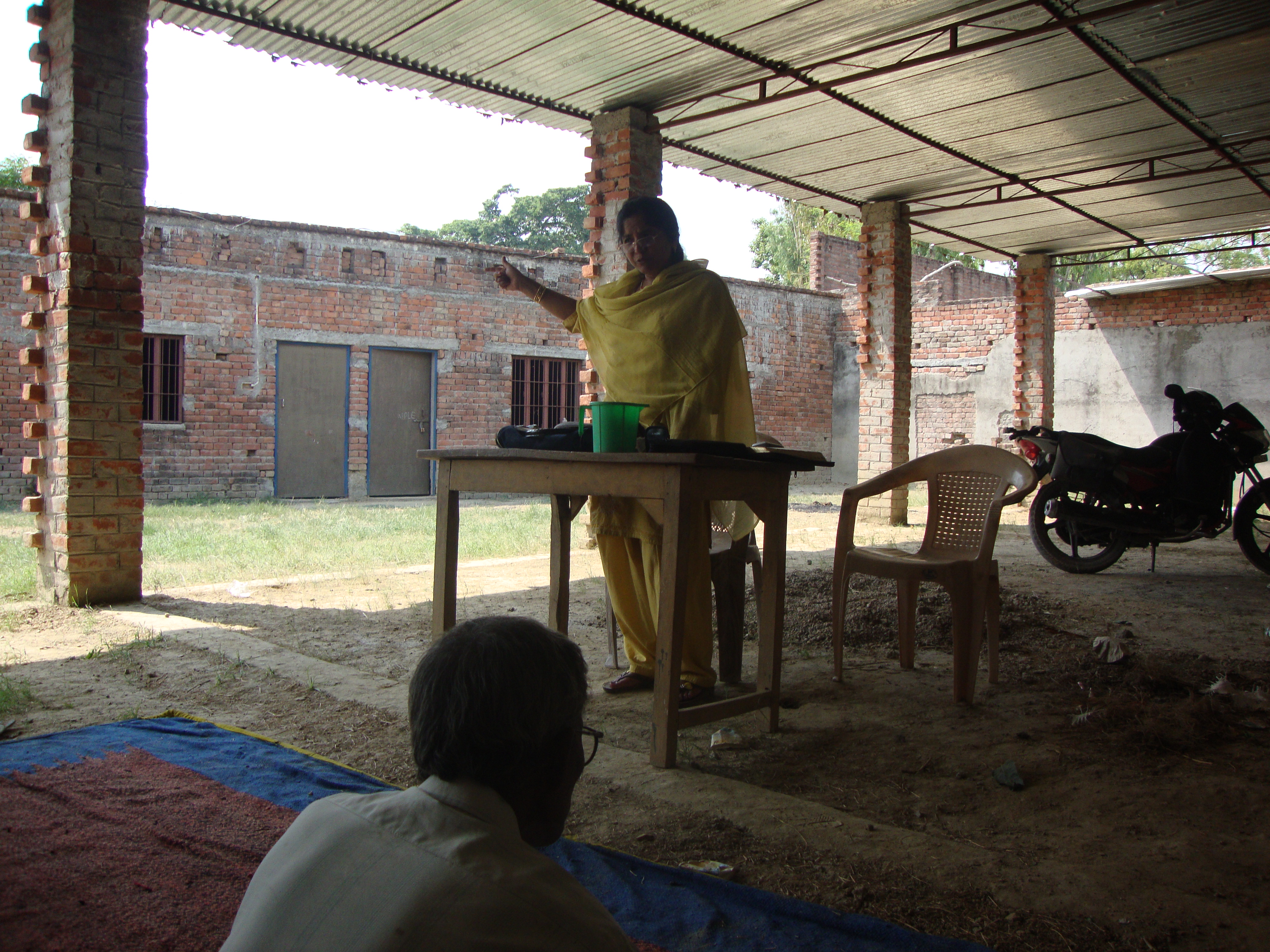
We write this report only to give thanks for what God is doing through faithful servants. For over a decade now Cup and Cross Ministries has worked closely with the efforts of the Bulgarian Missionary Network (BMN) and over the last several years its founder has been tirelessly promoting a project to build a school in India. The Lord led us to partner with this project on a personal level and we are thankful to see the results of the many hours of travel and hard labor which has been invested.
Evangelism and World Missions
Empowered by the vision for a continuous revival within the church of the 21st century, we have chosen to make the mission of our work this one statement: We help churches grow.
One of the approaches we have taken to accomplish this ministry goal is Evangelism and World Missions:
- We have ministered for over 30 years now on three continents, 25 U.S. states, Canada and Mexico (Map of our global ministry)
- We have spent seven consecutive years in missionary work in Bulgaria ministering to over 300 local congregations (Map of our ministry in Bulgaria)
- Since 1990, we have helped in the planting and team training of over 25 churches in Bulgaria as well as the Bulgarian congregations in Chicago, Houston, Las Vegas, San Francisco, Atlanta, London, Spain, Cyprus and Palma de Mallorca
Beside personal presence and team building strategies, we implement the media in virtually every approach of ministry. We have published several research monographs as well as film series about our ministry work. Our team holds a weekly TV program called the Bible Hour. (Learn how we help churches build their own and unique web presence)
See also how we help churches grow through:
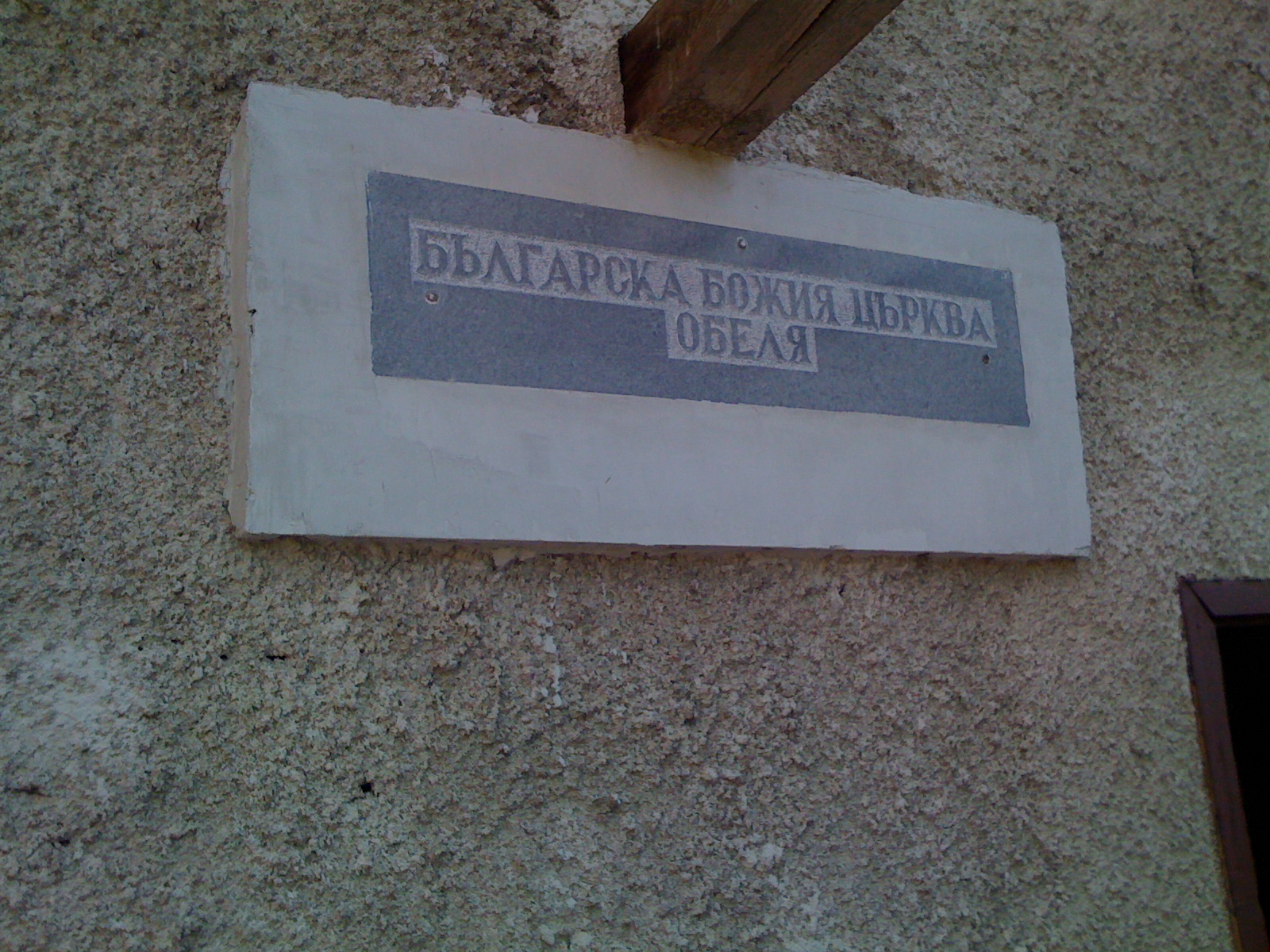
Obeying God at Obelya Church of God
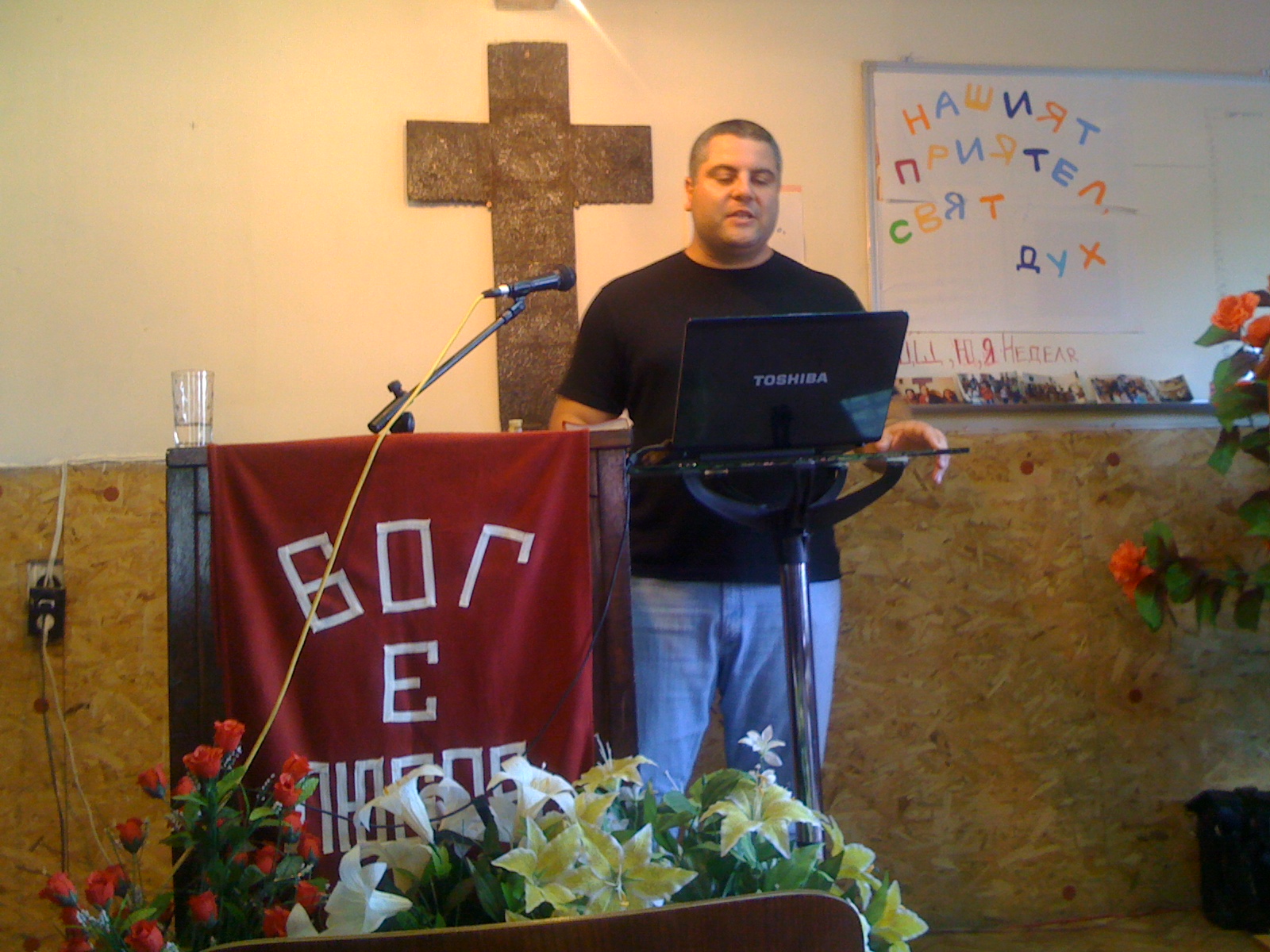
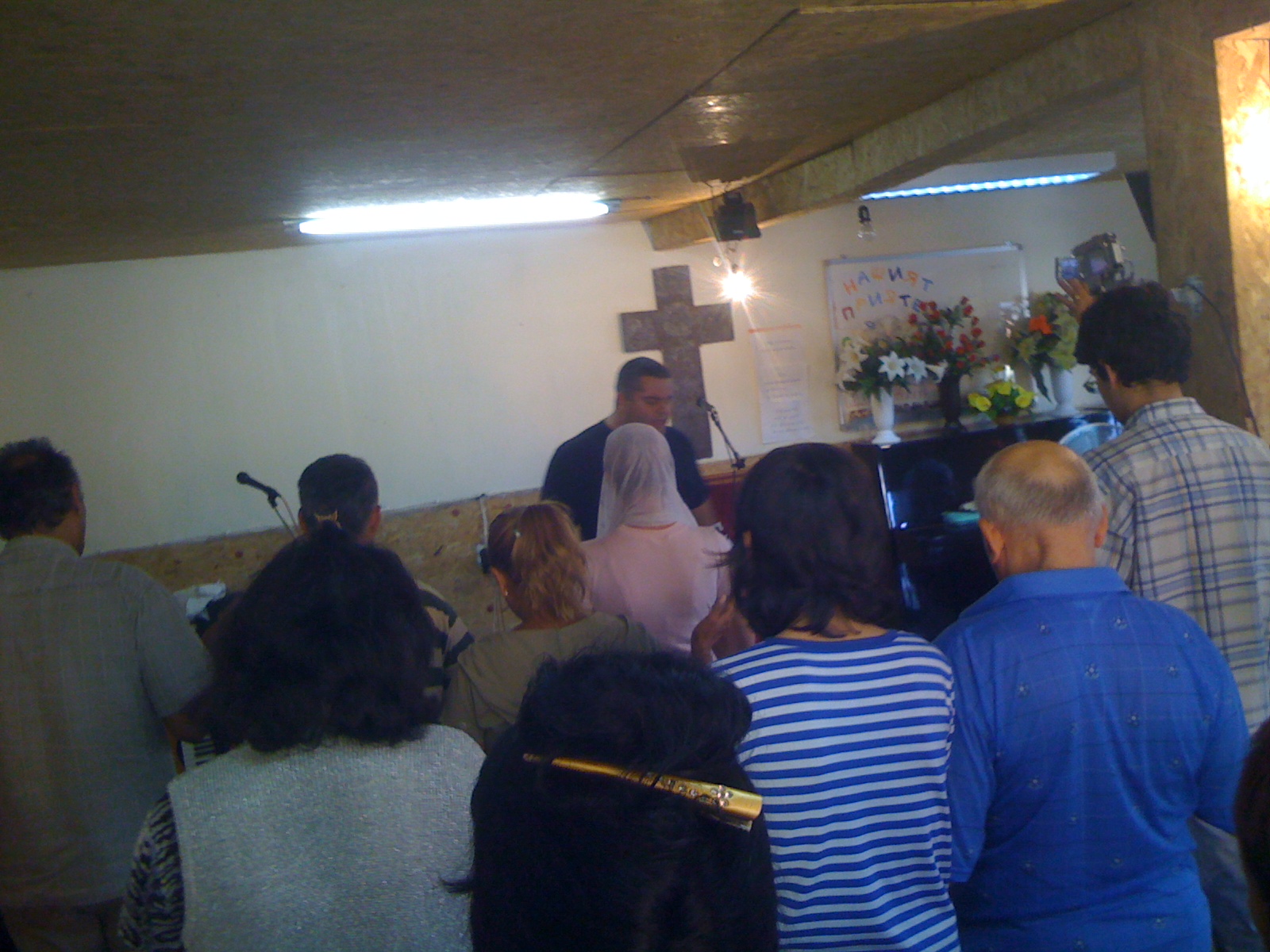
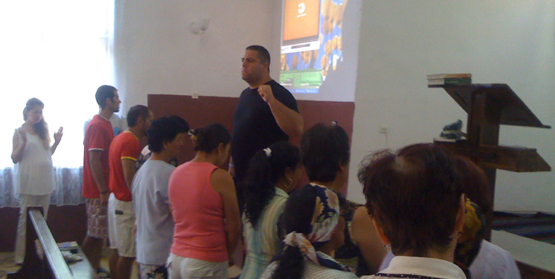
Spiritual Victory in Varshetz & Straldja





Chaplaincy Perspectives for Bulgaria

With the crises within the Bible College system of Bulgaria and the potential change of status for the Bulgarian Evangelical Theological Institute (Theological Seminary) in Sofia, the professional programs offered thus far will have to be assimilated into some liberal art schools with a newly evaluated perspective on Christian education in Bulgaria or they will be forever lost. In this context, some modifications may be required in the process to reflect more on these changes and their effects for the Chaplaincy Program as well as on the social role of chaplaincy in Bulgaria. Such search for equilibrium is only normal given that historically Bulgaria has placed chaplaincy ministry only within the perimeter of army, prisons and hospitals.
The final goal in our educational strategy, which directly targets legislation and practical implementation of chaplain ministry within various levels of government infrastructure, now remains for for the student chaplains graduating with a masters degree specifically designed for their area of ministry from our Program. Cooperation with a vast social network for this task is a must, and our students are already well trained through a practicum that strongly demands their cooperative work together. And while the Bulgarian armed forces still remain the only one within the structures of NATO that has no chaplaincy whatsoever, professional Chaplaincy, as we foresaw it a decade ago, will most probably begin with a new vision within the reformed infrastructure of the Bulgarian army and shortly afterwards move to other professional branches as well.
Missional in Memphis



Mission Conference at York